How to Transplant Long-stalked yellow sedge?
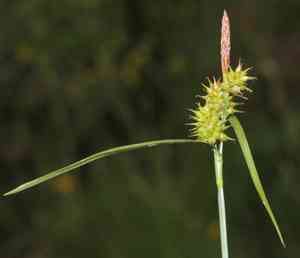
The ideal period for relocating long-stalked yellow sedge extends from the revitalizing warmth of late spring through the robust embrace of mid-summer, guaranteeing vigorous development. Select a location featuring damp, adequately draining earth and dappled sunlight. With diligent attention, long-stalked yellow sedge will thrive in its new environment.
Essential Preparations Before Relocating Long-stalked Yellow Sedge
Optimal Timing for Transplanting Long-stalked Yellow Sedge
The best period to move long-stalked yellow sedge is during its vigorous growth phase, from late spring through mid-summer. This season, characterized by ample sunlight and regular rainfall, promotes strong root development and successful acclimation, crucial for a thriving start. Choosing this timeframe allows long-stalked yellow sedge to adjust smoothly, enhancing its resilience before the dormant winter period. It's when nature is most active, providing the perfect conditions for long-stalked yellow sedge to flourish.
Recommended Spacing Between Long-stalked Yellow Sedge Plants
Hello, gardeners! When moving your long-stalked yellow sedge, ensure it has adequate room to expand. Aim for a comfortable distance of approximately 6-12 inches (15-30 cm). This small amount of space encourages healthy development!
Ideal Soil Mixture for Long-stalked Yellow Sedge Transplantation
For your long-stalked yellow sedge, a well-draining, loamy soil will be excellent. Plan to enrich its new location with a balanced, slow-release fertilizer to give it an advantageous beginning. Simply follow the instructions on the package!
Selecting a New Location for Your Long-stalked Yellow Sedge
Your long-stalked yellow sedge will thrive in a spot with intermittent sun exposureâpartial sunlight is ideal. Filtered light under taller plants or a semi-shaded corner in your garden will make it very happy!
Tools Required Before Transplanting Long-stalked Yellow Sedge
Gardening Gloves
To safeguard your hands while handling soil and the plant.
Shovel or Spade
For excavating the plant from its current spot and preparing the new planting hole.
Garden fork
To loosen the soil around the plant's root system if necessary.
Watering Can or Hose
To hydrate the plant before and after removal, as well as in its new site.
Wheelbarrow or Plant Sled
To move the plant from one place to another without causing damage.
Pruning Shears
To trim any damaged roots or foliage.
How to Extract Long-stalked Yellow Sedge from the Ground
How to Extract Long-stalked Yellow Sedge from the Soil
From Ground: First, irrigate the long-stalked yellow sedge to moisten the soil. Next, dig a wide trench around the plant using a shovel or spade, making sure to keep the entire root ball intact. Gently work the spade beneath the root ball to lift the plant from its original position.From Pot: Carefully tap the pot's sides to loosen the root ball. Invert the pot and support the long-stalked yellow sedge as it slides out. If roots are tightly bound, gently separate them.From Seedling Tray: Dampen the soil and use a small tool or stick to lift the seedling by its root ball, taking extreme care not to harm delicate roots or stems.
Detailed Guide for Transplanting Long-stalked Yellow Sedge
Preparation
Ensure the new planting site is ready before you start removing long-stalked yellow sedge.
Digging
Excavate a hole in the prepared area that is twice as wide and as deep as the root ball of long-stalked yellow sedge.
Root Preparation
Inspect the root ball. Trim any broken or excessively long roots.
Placing long-stalked yellow sedge
Position the long-stalked yellow sedge in the center of the hole, ensuring it sits at the same depth it was previously growing.
Filling Hole
Backfill the hole with the excavated soil, gently firming it down to eliminate air pockets.
Watering
Water thoroughly to settle the soil and hydrate the roots of long-stalked yellow sedge.
Support Installation
If the long-stalked yellow sedge is tall, provide a stake for support.
Post-Transplant Care for Long-stalked Yellow Sedge
Immediate Watering
Water generously immediately after transplanting to help minimize transplant shock.
Mulching
Apply mulch around the base of long-stalked yellow sedge to maintain soil moisture and temperature, and to reduce weed competition.
Monitoring
Regularly check long-stalked yellow sedge for signs of stress and adjust care as needed.
Addressing Common Issues During Long-stalked Yellow Sedge Transplantation.
What is the best season to transplant long-stalked yellow sedge?
Transplant long-stalked yellow sedge from late spring to mid-summer for optimal root establishment before colder months.
How much space should I leave between long-stalked yellow sedge plants when transplanting?
Allow 6-12 inches (15-30 cm) between plants to provide each one sufficient room for growth and flourishing.
Why are my transplanted long-stalked yellow sedge plants wilting?
Wilting can result from stress. Ensure soil is moist and plants are shielded from intense sunlight for a few days post-transplant.
What soil type is ideal when transplanting long-stalked yellow sedge?
Utilize well-draining, loamy soil rich in organic matter to maintain the health of long-stalked yellow sedge.
How deep should I plant long-stalked yellow sedge's roots?
Plant long-stalked yellow sedge's roots at the same depth they were in their previous location to prevent stress and encourage growth.
Can I transplant long-stalked yellow sedge on a hot day?
It's preferable to transplant long-stalked yellow sedge on a cool, overcast day to minimize stress and prevent immediate water loss.
What watering schedule should I follow after transplanting?
Keep the soil consistently moist but not waterlogged for the initial few weeks to aid root establishment.
Why isn't my long-stalked yellow sedge growing after transplanting?
It might be transplant shock. Allow it time and provide consistent care without overwatering or fertilizing.
Do I need to fertilize long-stalked yellow sedge after transplanting?
Wait a few weeks before fertilizing to allow long-stalked yellow sedge roots to settle. Use a balanced, all-purpose fertilizer.
How do I prepare long-stalked yellow sedge for transplanting?
Gently remove long-stalked yellow sedge from its current spot, keeping a good amount of soil around the roots to minimize shock.



