How to Prune Long-stalked yellow sedge?
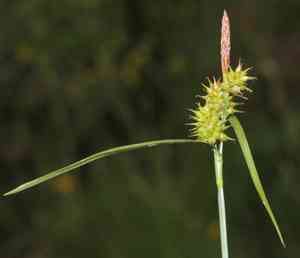
The Carex lurida flourishes in moist environments, identifiable by its clumped, grass-like leaves and yellowish-green blooms. Cut back Carex lurida in late spring or during the summer season, following its blooming period. Snip off any withered or discolored leaves near the base to stimulate new development and preserve the plant's vigor. Since Carex lurida requires minimal upkeep, targeted trimming enhances its look and deters unwanted self-propagation. Trimming aids Carex lurida by fostering air movement and lowering the chances of illness.
What Are the Benefits of Pruning Long-stalked Yellow Sedge?
What Are the Benefits of Pruning Long-stalked Yellow Sedge?
Trimming long-stalked yellow sedge encourages stronger development by reallocating energy to fewer shoots, maintaining its size and shape, which results in a denser, healthier turf. This practice also helps keep the plant well-structured, preventing congestion and poor air circulation.
What Is the Best Time for Pruning Long-stalked Yellow Sedge?
What Is the Best Time for Pruning Long-stalked Yellow Sedge?
Trimming long-stalked yellow sedge in spring coincides with the start of its active growth period, promoting new growth and maintaining a desired form and size. Early summer pruning is ideal as it occurs after flowering, preventing harm to flower production, and allowing time for recovery before winter dormancy.
What Tools Do I Need to Prune Long-stalked Yellow Sedge?
Hand Pruners
This implement is perfect for severing thin and medium-sized stems of long-stalked yellow sedge. Its precise cutting capability allows for clean cuts that aid in the plant's rapid recovery.
Shears
Shears are optimal for shaping and trimming the foliage of long-stalked yellow sedge, especially when dealing with larger clumps or when preserving the plant's intended form.
Gardening Gloves
Though not a cutting implement, gloves safeguard the gardener's hands from the occasionally sharp edges of long-stalked yellow sedge's leaves, enhancing safety during the trimming process.
How to Prune Long-stalked Yellow Sedge
Sterilize tools
Sanitize all pruning implements with a solution of 1 part bleach to 9 parts water to prevent disease transmission when trimming long-stalked yellow sedge.
Remove diseased leaves
Use sharp scissors to carefully remove any diseased leaves from long-stalked yellow sedge, ensuring cuts are made at the leaf's base to avoid stubs that could harbor pests or illness.
Trim withered leaves
Cut away withered leaves at the base to encourage healthy growth and improve air circulation around long-stalked yellow sedge, using the same scissors.
Cut diseased stems
Identify and cut back any diseased stems of long-stalked yellow sedge to healthy tissue, making the cut just above a node or a set of leaves to facilitate quick healing and new growth.
Disposal
Dispose of all diseased and dead material removed from long-stalked yellow sedge in a manner that prevents contamination of healthy plants, such as sealing in a plastic bag and placing in the trash.
Common Pruning Mistakes with Long-stalked Yellow Sedge
Over-pruning
Removing too much foliage from long-stalked yellow sedge can stress the plant, potentially leading to weaker growth and reduced vigor. Long-stalked yellow sedge should only have dead or damaged leaves removed to maintain health.
Pruning healthy tissue
Cutting back healthy growth can hinder long-stalked yellow sedge's natural shape and growth patterns. Focus on removing only the brown, dead material to avoid unnecessary damage.
Improper tool use
Using dull or dirty pruning tools can cause jagged cuts or introduce disease to long-stalked yellow sedge. Ensure tools are clean and sharp for clean cuts.
Tearing leaves
Tearing leaves instead of cutting can create wounds that are more susceptible to disease and pests. Make clean cuts close to the base of the sedge blade to promote healing.
Common Pruning Tips for Long-stalked Yellow Sedge
Dead material removal
Regularly remove brown, dead material by cutting it back to the base of the plant. This allows long-stalked yellow sedge to focus its energy on new, healthy growth.
Spring cleanup
In late winter, trim back old foliage to clean up the plant before new growth begins. This encourages a fresh flush of leaves in the spring.
Tool maintenance
Use sharp, cleaned pruning shears or scissors to make precise cuts that will heal quickly and minimize the risk of disease.
Base cutting technique
When removing old foliage, cut close to the base of long-stalked yellow sedge to promote tidy growth habits and discourage pests that can hide in plant debris.
Selective pruning
Be selective and prune sparingly, ensuring that you are only removing the parts of long-stalked yellow sedge that are dead or damaged. Over-pruning can be detrimental to the plant's health.



