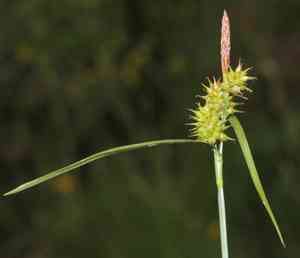
Long-stalked yellow sedge (Carex lepidocarpa)
Also known as: Narrow-leaved Sedge
Carex lepidocarpa is a perennial, deciduous herb that typically grows to a height of 20-50 cm. It forms small, loose, or dense clumps. The aboveground parts of the plant, including the leaves, have a light green to yellow-green hue. The leaves are usually 2-3 mm wide.
In This Article
Attributes of Long-stalked yellow sedge
Lifespan
Perennial
Plant Type
Herb
Plant Height
30–60 cm
Spread
N/A
Leaf Color
Yellow-green
Flower Size
N/A
Flower Color
Yellow Green Brown
Images of Long-stalked yellow sedge
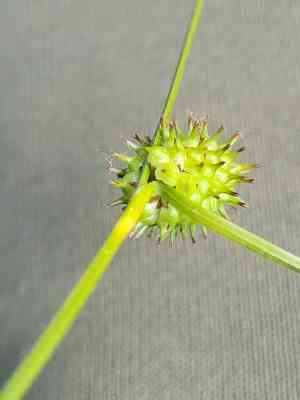
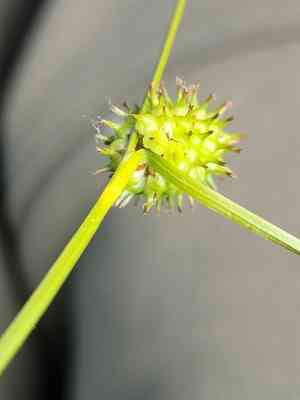
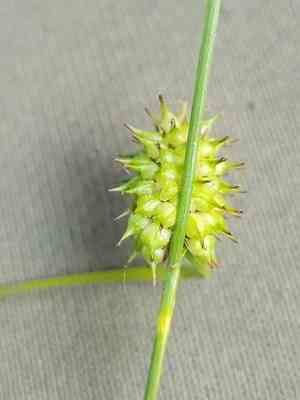
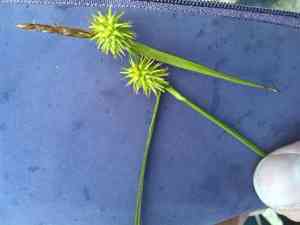
Quickly Identify Long-stalked yellow sedge
1
Carex lepidocarpa can be identified by its narrow leaves that are 2-4 mm wide, its yellow-green coloration, and its compact, spike-like flower cluster. The plant\'s stems are triangular in cross-section.
Scientific Classification of Long-stalked yellow sedge
Phylum
Vascular plants
Class
Monocotyledons
Order
Poales
Family
Sedge
Genus
True sedges
Species
Long-stalked yellow sedge
Planting and Growing of Long-stalked yellow sedge
Care Difficulty
Easy
Watering Schedule
Every 2 days
Sunlight Requirements
Partial sun
Sunshine Duration
4-8 hours
Ideal Temperature
60-75℉
Soil Type
Potting Mix, Peat Mix
Soil pH
6.5-7.5
Fertilizer Type
Balanced
Pruning Season
Spring, Summer
Pruning Area
Branches, Leaves
Pruning Frequency
2 times a year
Repotting Season
Spring
Pot Type
Plastic, Ceramic
 How to Water Long-stalked yellow sedge?
Carex lepidocarpa thrives best when the soil is kept consistently moist but not waterlogged. Ideally, watering should aim for 200ml per session, just enough to penetrate the upper layer of the soil. Ensure the water drains well to avoid stagnant conditions that could foster root rot.
What are the symptoms of an underwatered Long-stalked yellow sedge?
›
What should I do if my Long-stalked yellow sedge is not getting enough water?
›
What are the symptoms of an overwatered Long-stalked yellow sedge?
›
How to save an overwatered Long-stalked yellow sedge?
›
 What Are the Sunlight Requirements for Long-stalked yellow sedge?
Partial to full sunlight is best for Carex lepidocarpa, as it ensures healthy, lush growth and contributes to its overall vitality and ornamental appeal.
What is the optimal amount of sunlight for Carex lepidocarpa?
›
How can I achieve the ideal lighting conditions for Carex lepidocarpa?
›
What are the benefits of proper sunlight exposure for Carex lepidocarpa?
›
 What Is the Ideal Temperature Range for Long-stalked yellow sedge?
The optimal temperature range for growing Carex lepidocarpa is between 60°F and 75°F. Within this range, the plant experiences optimal growth conditions, promoting vibrant foliage and healthy root development. Ensuring temperature stays within these parameters minimizes stress and facilitates optimal physiological processes, leading to robust plant health.
 What Soil is Best for Long-stalked yellow sedge?
Carex lepidocarpa benefits from soil that offers good drainage. Well-drained soil prevents root rot by ensuring water does not pool around the roots, promoting healthy root growth and plant vitality. This plant thrives in soil that is rich in organic matter. Nutrient-rich soil provides the necessary elements that support optimal growth, strong stem development, and vibrant foliage. Consistent moisture in the soil is crucial for Carex lepidocarpa. This requirement reflects its natural habitat in moist environments, helping to maintain its lush appearance and ensuring consistent growth patterns.
 How to Fertilize Long-stalked yellow sedge?
For Carex lepidocarpa, it's recommended to apply a balanced liquid fertilizer at half the strength suggested on the package. This ensures that the plant receives enough nutrients without overwhelming it. For solid fertilizer, use about 50 grams per square meter annually.
 How to Prune Long-stalked yellow sedge?
Begin by removing any dead or damaged leaves at the base of the plant. Use clean, sharp scissors or shears for a precise cut. Carefully trim overgrown or excessively long stems, shaping the plant in a way that enhances its natural gracefulness. Always cut just above a healthy node to promote better growth. If Carex lepidocarpa becomes too dense, consider dividing it. Gently dig up the clump during early spring or autumn and shake off excess soil. Using a sharp blade, split the root ball into smaller sections, ensuring each division has healthy roots and leaves. Replant them immediately to encourage new establishment.
More About Pruning Techniques→
 How to Propagate Long-stalked yellow sedge plant?
1
Start by collecting ripe seeds from mature plants. Sow these seeds in trays filled with well-draining soil. Cover lightly and maintain moisture till germination occurs.
2
Carefully dig up a mature plant using a garden spade. Gently separate the roots into clumps, ensuring each division has shoots for successful propagation.
3
After division, replant the clumps in a prepared bed with similar conditions as the parent plant. Water thoroughly to eliminate air pockets and support establishment.
 How to Repot Long-stalked yellow sedge plant?
1
You know it's time to repot Carex lepidocarpa when you see its roots peeking out from the drainage holes or circling the soil surface in a tight weave. This grass-like plant loves room to breathe, so give it some early attention. Performing this task during the growing seasons of spring or summer allows the plant to recover quickly, enhancing its vibrant growth.
2
Select a pot that is one size larger than the current one, as this provides ample space for the roots to expand without becoming waterlogged. A pot with good drainage holes is essential to prevent water accumulation at the root zone. Opting for a lightweight, breathable material like terracotta aids in moisture evaporation and ensures oxygen reaches the roots, maintaining plant vitality.
3
Choose a moist, well-draining potting mix, preferably one with sand or perlite to enhance its drainage capacity. This helps prevent root rot by allowing excess water to escape easily while retaining enough moisture to keep the roots hydrated. The right soil mix promotes healthy root development and vigorous growth, ensuring that your Carex lepidocarpa thrives.
Learn More About Long-stalked yellow sedge Diseases
Anthracnose
Bacterial Leaf Spot
Bacterial Soft Rot
Bacterial Wilt
Chemical Injury
Cyst Nematode
Damping-off
Downy Mildew
Drought Stress
Fusarium Wilt
Gray Mold
Leaf Spot
Mosaic
Nutrient Deficiency
Nutrient Toxicity
Powdery Mildew
Root Rot
Root-knot Nematode
Rusts
Sooty Mold
Spider Mites
Temperature Stress
Thrips Damage
White Mold



