How to Transplant Leers' sedge?
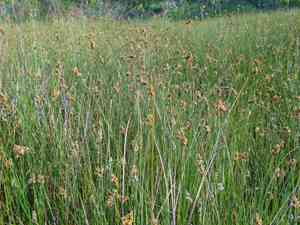
The optimal period for relocating leers' sedge extends from early spring through its peak, facilitating strong root establishment. Choose a location offering dappled light and damp earth. Exercising care with the root system during the transfer procedure is crucial.
What Preparations are Needed Before Transplanting Leers' Sedge?
What is the Ideal Time for Transplanting Leers' Sedge?
The best time to move leers' sedge is from early spring's start to its gentle close. This period offers cool temperatures and damp soil, which are perfect for root establishment. Moving leers' sedge during this window promotes strong growth, using the season's mild climate to lessen shock and boost successful adaptation. A helpful tip: this smart move gives leers' sedge a head start, thriving with nature's awakening rhythm.
How Much Space Should You Leave Between Leers' Sedge Plants?
When relocating your leers' sedge, ensure ample room for comfortable growth by placing them roughly 8-12 inches apart (20-30 cm). This spacing allows each plant to thrive without competing for nutrients and space.
What is the Best Soil Mix for Leers' Sedge Transplanting?
Prepare a planting area with well-draining soil, rich in organic matter, for your leers' sedge. Loosen the earth and incorporate some compost or a balanced slow-release fertilizer to give your plants a robust beginning!
Where Should You Relocate Your Leers' Sedge?
Select a spot where your leers' sedge can receive partial to full shade. An area with dappled sunlight, such as beneath a leafy tree, would be perfect to shield their vibrant foliage from harsh, direct sunbeams.
What Equipments Should You Prepare Before Transplantation Leers' Sedge?
Gardening Gloves
To safeguard your hands while handling soil and plants.
Shovel or Spade
For digging around and beneath the plant to ensure safe removal.
Hand Trowel
For more precise tasks and smaller root systems.
Watering Can or Hose
To hydrate the plant before and after its relocation.
Wheelbarrow or Plant Sledge
To move the plant to its new spot.
Pruning Shears
To trim any damaged or excessively long roots.
Mulch
To help maintain soil moisture and reduce weed growth around the newly planted area.
Rooting Hormone (optional)
To encourage root development in the new location.
How Do You Remove Leers' Sedge from the Soil?
How Do You Remove Leers' Sedge from the Soil?
From Ground: First, thoroughly water the leers' sedge to moisten the soil, making it easier to manage. Then, using a shovel, dig a wide trench around the plant, being careful not to cut roots. Gradually work the shovel under the root ball, gently rocking until the plant can be lifted out with its root system mostly intact.From Pot: Begin by watering the leers' sedge to ensure the soil is damp. Turn the pot on its side and gently tap the edges to loosen the soil's grip. Grasp the plant's base and carefully slide it out, supporting the root ball with your hand to prevent it from breaking apart.From Seedling Tray: Water the tray to moisten the soil, which helps the roots slide out more easily. Push the seedling up from the bottom or use a table knife to gently lift the leers' sedge while holding the base of the stems, taking care to keep the root ball undisturbed.
Step-by-Step Guide for Transplanting Leers' Sedge
Preparation
Ensure all necessary tools are ready and the new planting site is prepared before starting the process.
Removal
Extract the leers' sedge from its original spot following the guidelines provided for removal. Handle the plant gently to minimize stress to its roots.
Inspection
Once the leers' sedge is out, examine its root ball. Trim any broken or damaged roots with your pruning shears.
Transportation
Carefully move the leers' sedge to its new location, avoiding rough handling. A wheelbarrow or plant sledge can assist with larger specimens.
Planting Hole
Dig a hole in the new spot that is twice as wide and the same depth as the leers' sedge's root ball.
Positioning
Place the leers' sedge in the center of the hole. Backfill around the root ball with soil, gently firming as you go to eliminate any large air pockets.
Watering
Water the leers' sedge thoroughly immediately after transplanting to settle the soil and hydrate the roots.
Mulching
Apply a layer of mulch around the base of the leers' sedge, avoiding direct contact with the stems to prevent rot.
How Do You Care For Leers' Sedge After Transplanting?
Watering
Ensure the leers' sedge remains hydrated, especially in the initial weeks post-transplant. Water deeply to encourage root growth.
Mulch
Maintain the mulch layer to conserve moisture and suppress weeds.
Pruning
Trim any leaves or stems that were damaged during transplanting to direct the plant's energy towards establishing new roots.
Monitoring
Keep a close watch on the leers' sedge for signs of transplant shock, such as wilting or yellowing leaves, and address them as needed.
Rooting Hormone (optional)
If rooting hormone was used during transplanting, follow the product instructions for any subsequent applications.
Troubleshooting Common Issues with Leers' Sedge Transplantation.
Why is my leers' sedge not thriving post-transplant?
It's crucial for leers' sedge to be transplanted during the ideal window of early to late spring for optimal root establishment. Also, ensure consistent moisture and minimize root disturbance to prevent transplant shock.
How deep should I plant leers' sedge when transplanting?
Transplant leers' sedge so its root ball is level with the surrounding soil. Planting too deep or too shallow can stress the plant.
How often should I water leers' sedge after transplanting?
Water leers' sedge generously right after transplanting, then switch to moderate watering, keeping the soil consistently moist but not waterlogged.
How much sunlight does leers' sedge need after transplanting?
After transplant, position leers' sedge in an area with partial to full sunlight, depending on your region's intensity.
What is the ideal spacing for transplanting leers' sedge?
For a lush appearance, space leers' sedge approximately 8-12 inches apart (20-30 cm), allowing ample room for growth.
Can I use fertilizer right after transplanting leers' sedge?
It's best to let leers' sedge establish itself before fertilizing. Wait about a month post-transplant, then apply a balanced fertilizer.
Should I prune leers' sedge when I transplant it?
Minimal pruning is advised; only trim any damaged leaves to promote healthy growth.
How large of a transplant hole do I need for leers' sedge?
Dig a hole twice the width of the root ball but no deeper, providing space for roots to spread.
My leers' sedge looks wilted after transplanting, what should I do?
Wilting can occur due to transplant shock. Ensure proper watering and provide shade if necessary during peak sun hours.
Can I transplant leers' sedge in cold weather?
Transplanting leers' sedge in cold temperatures can impede root development. Aim for a transplant period when the soil is warm.



