How to Prune Leers' sedge?
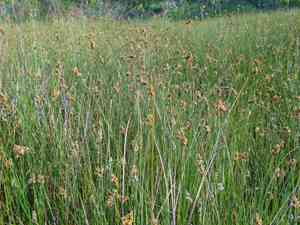
Leers' sedge, a resilient perennial, flourishes with little upkeep. Trimming should primarily involve eliminating withered or compromised leaves, thereby boosting the plant's vitality and aesthetic. Perform this trimming in early spring or during its dormant period in winter. Cut back the foliage to ground level to stimulate new development. Make certain all cuts are clean and precise to avert disease. Consistent trimming fosters robust growth and deters unwanted self-propagation. The need for frequent trimming is typically minimal given the plant's sturdy characteristics.
Advantages of Trimming Leers' Sedge
Advantages of Trimming Leers' Sedge
Trimming leers' sedge helps it keep a compact shape, promoting denser development. Strategic cuts enhance vitality, allowing leers' sedge to revitalize and flourish.
Optimal Period for Pruning Leers' Sedge
Optimal Period for Pruning Leers' Sedge
Pruning or trimming leers' sedge in early spring is ideal as it's after winter dormancy and before vigorous growth. This timing allows the plant to heal and direct energy to new growth. Winter, when leers' sedge is dormant, is also suitable, especially where heavy snow isn't an issue. Winter pruning can prevent disease and pest infestations that might arise from wounds in warmer, wetter seasons.
Tools Required for Pruning Leers' Sedge
Handheld Pruning Shears
For leers' sedge, handheld pruning shears are perfect for precise cuts to remove dead or overgrown blades without harming the plant's structure.
Garden Scissors
Garden scissors offer control and accuracy for thinning and shaping leers' sedge, ensuring healthy growth and a neat appearance.
Long-Handled Shears
Since leers' sedge can form dense clumps, long-handled shears are useful for reaching into and shaping the plant, especially in larger areas, minimizing disturbance to the groundcover.
Grass Clippers
Leers' sedge, being a sedge, might need grass clippers for a quick trim, particularly useful for maintaining edges or for less dense plants.
How to Prune Leers' Sedge
Preparation
Gather sharp pruning shears, gloves, and disinfectant. Clean the shears with disinfectant to prevent disease spread between plants.
Identification
Examine leers' sedge for any diseased or withered leaves. Look for discoloration, spots, or signs of decay indicating disease, and wilting or brown edges for withered leaves.
Removal of diseased leaves
Using pruning shears, cut diseased leaves at their base where they emerge from the ground. Ensure clean cuts to avoid tearing and damaging the plant.
Removal of withered leaves
Similarly, trim any withered leaves at their base. Remove these to encourage new healthy growth and improve air circulation around leers' sedge.
Cleanup
Properly dispose of removed leaves to prevent the spread of potential diseases. Clean the shears again with disinfectant after completing pruning tasks.
Common Pruning Errors with Leers' Sedge
Excessive pruning
Over-pruning leers' sedge can result in sparse foliage and a weakened plant. Gardeners should avoid removing more than one-third of the plant at once to maintain its health and vigor.
Poor cutting technique
Using dull or unsanitized tools can lead to jagged cuts and increase disease risk. Always use clean, sharp implements for precise cuts.
Complete top removal
Novice gardeners might mistakenly cut all foliage from the top of leers' sedge, expecting regrowth from roots. This can severely stress and potentially kill the plant.
Ignoring dead material
Failing to remove only dead or damaged material during pruning can result in a less tidy and healthy plant. Focus on removing dead foliage to improve the plant's appearance and health.
Wrong pruning extent
Leers' sedge has a natural clumping habit. Removing too little material can leave dead foliage that hinders new growth, while removing too much can limit the plant's ability to photosynthesize properly.
General Pruning Advice for Leers' Sedge
Target dead foliage
Removing dead or yellowing foliage promotes healthier, more attractive growth. Cut back dead material at the base to tidy up leers' sedge's appearance.
Maintain plant shape
While pruning, aim to preserve the natural shape of leers' sedge. Avoid excessive shaping, which may not suit this sedge's growth habit.
Thin out centers
To enhance air circulation and reduce rot risk, thin out dead or overcrowded foliage, especially in the clump's center.
Gradual rejuvenation
For an aged or oversized leers' sedge, rejuvenate the plant gradually over a couple of seasons instead of all at once. This allows the plant to recover while maintaining its health.
Care after pruning
After pruning, water leers' sedge adequately and consider applying a balanced fertilizer to support recovery and encourage new growth.



