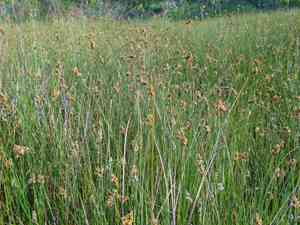
Leers' sedge (Carex leersii)
Also known as: Leser's Sedge
Carex leersii, commonly known as leers' sedge, originates from Europe and the western regions of the Himalayas. It features long stalks adorned with spiky flowers along the sides.
In This Article
Attributes of Leers' sedge
Lifespan
Perennial
Plant Type
Grass
Plant Height
30 cm to 1 m
Spread
N/A
Leaf Color
Green
Flower Size
7 cm
Flower Color
Yellow Green
Images of Leers' sedge
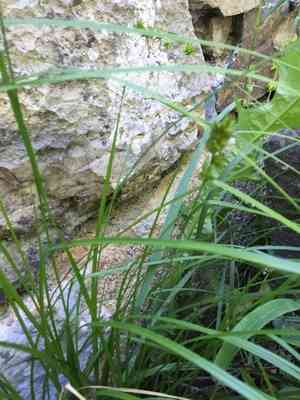
Quickly Identify Leers' sedge
1
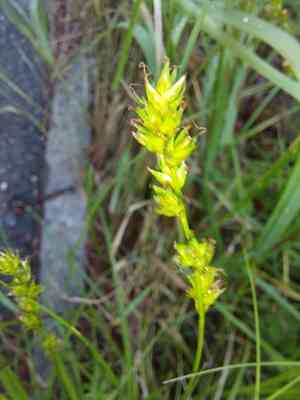
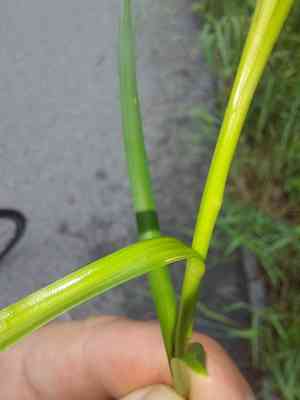
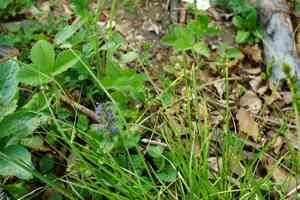
Carex leersii can be identified by its narrow, grass-like leaves and its dense terminal spikelet of flowers or seeds. The leaves tend to have a distinctive triangular cross-section.
Scientific Classification of Leers' sedge
Phylum
Vascular plants
Class
Monocotyledons
Order
Poales
Family
Sedge
Genus
True sedges
Species
Leers' sedge
Planting and Growing of Leers' sedge
Care Difficulty
Moderate
Watering Schedule
Every 2 days
Sunlight Requirements
Partial sun
Sunshine Duration
4-6 hours
Ideal Temperature
60-75℉
Soil Type
Potting Mix, Peat Mix
Soil pH
6.5-7.5
Fertilizer Type
Balanced
Pruning Season
Spring, Summer
Pruning Area
Branches, Leaves
Pruning Frequency
2 times a year
Repotting Season
Spring
Pot Type
Plastic, Ceramic
 How to Water Leers' sedge?
For Carex leersii, it is essential to water until the soil is consistently moist but not soggy. Aim for approximately 200 milliliters each time, ensuring the water penetrates the soil to a depth of around 10 cm. Proper drainage is crucial to avoid root rot.
What are the symptoms of an underwatered Leers' sedge?
›
What should I do if my Leers' sedge is not getting enough water?
›
What are the symptoms of an overwatered Leers' sedge?
›
How to save an overwatered Leers' sedge?
›
 What Are the Sunlight Requirements for Leers' sedge?
This plant prospers in 3-6 hours of filtered or morning sunlight, ensuring lush and green foliar growth, with prevention of sunburn when shadier conditions are met.
More About Sunlight Requirements Techniques→
What type of light is best?
›
How can I achieve ideal lighting conditions?
›
What are the benefits of ideal lighting?
›
 What Is the Ideal Temperature Range for Leers' sedge?
The ideal temperature range for growing Carex leersii is between 60°F and 75°F. This range promotes optimal growth and health of the plant. Maintaining the temperature within this range ensures that the plant can efficiently undergo photosynthesis, transpiration, and other vital physiological processes necessary for its development and vitality.
 What Soil is Best for Leers' sedge?
Carex leersii thrives in soil that retains moisture without becoming waterlogged. Adequate moisture ensures the plant receives essential nutrients and supports overall growth. This plant benefits from consistent soil moisture as it mimics its natural wetland habitat conditions. This species grows best in nutrient-rich soil. A well-fertilized substrate supports robust root development and lush foliage. Regular additions of organic matter, such as compost, can enrich the nutrient content to sustain healthy plant growth. An aerated soil structure is paramount for Carex leersii, facilitating effective root penetration and gas exchange. Loamy and sandy loam soils, with their inherent permeability, prevent soil compaction, providing roots with easy access to oxygen.
 How to Fertilize Leers' sedge?
Carex leersii benefits from a balanced fertilization approach. Use a liquid fertilizer at half the recommended strength every two weeks during the growing season. A slow-release granular fertilizer should be applied once every four months, in line with its growth cycle. Be sure to adjust the amount based on the plant's size and health to prevent nutrient burn.
 How to Prune Leers' sedge?
Start by surveying the plant for any brown or damaged foliage. These should be your primary targets for pruning as they do not contribute to the plant’s health and merely absorb nutrients better used elsewhere. For best results, make your cuts at the base of the leaf clump, as close to the soil as possible. This will encourage new growth from the roots and help maintain an attractive, compact shape for the plant. While cutting, shape the plant by removing any awkwardly long or protruding stems. This helps maintain a balanced look and avoids top heaviness, promoting a more uniform and aesthetically pleasing grass clump.
More About Pruning Techniques→
 How to Propagate Leers' sedge plant?
1
Collect seeds from mature plants and gently clean them. It's crucial to ensure seeds are free of debris and disease to enhance germination rates.
2
Sow the seeds evenly on a seed tray filled with a suitable soil mix. Lightly cover them with a thin layer of soil and water gently to maintain moisture without drowning them.
3
Dig up mature plant clumps carefully, ensuring roots stay intact. Divide the clump into sections with a spade or knife, each having a healthy portion of roots and shoots.
 How to Repot Leers' sedge plant?
1
Carex leersii should be repotted when you notice roots emerging from the drainage holes or if you find that the growth has slowed considerably despite proper care. These are indicators that the plant has outgrown its current pot and needs more space. Ideally, aim for repotting during its dormant periods in spring or autumn as these seasons are less stressful for the plant.
2
Select a pot that is roughly 2 inches larger in diameter than the current one. A pot with good drainage is crucial to prevent waterlogging. This ensures the roots receive maximum aeration and allows for healthy development, preventing root rot and other water-related issues.
3
Opt for a soil mix that retains some moisture but still drains well. A loamy soil mix is ideal as it balances moisture retention and drainage, providing Carex leersii with a stable growing environment that prevents root diseases and supports vigorous growth.



