How to Transplant Broad loose-flower sedge?
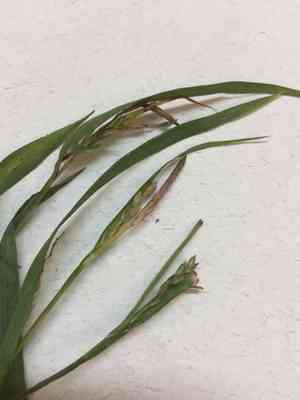
Broad loose-flower sedge thrives when relocated during the cooler, damp seasons of early spring or late autumn, thereby circumventing the strain of harsh temperatures. Select a location with partial or full shade and soil that drains effectively for peak development. Verify that the soil stays uniformly hydrated following the transplant.
What Preparations are Needed Before Transplanting Broad Loose-flower Sedge?
What is the Ideal Time for Transplanting Broad Loose-flower Sedge?
The best times for relocating broad loose-flower sedge are early spring and late autumn, as these periods allow root establishment before temperature extremes. Moving them then reduces stress and maximizes growth potential, ensuring a strong start in their new spot.
How Much Space Should You Leave Between Broad Loose-flower Sedge Plants?
When moving broad loose-flower sedge, ensure plants are spaced approximately 12-18 inches (30-45 cm) apart to provide ample room for development and air circulation.
What is the Best Soil Mix for Broad Loose-flower Sedge Transplanting?
Broad loose-flower sedge thrives in well-drained, loamy or sandy soil. Incorporate compost or a balanced slow-release fertilizer to enrich the soil prior to planting.
Where Should You Relocate Your Broad Loose-flower Sedge?
Broad loose-flower sedge prefers partial to full shade, making it suitable for areas beneath trees or along shaded garden edges. Ensure the site receives indirect sunlight for optimal growth.
What Equipments Should You Prepare Before Transplantation Broad Loose-flower Sedge?
Gardening Gloves
To shield your hands while handling soil and plants.
Shovel or Spade
For excavating around the plant and creating a new hole at the transplant location.
Trowel
Useful for extracting plants from smaller containers or seedling trays.
Garden Fork
To loosen the soil surrounding the plant.
Watering Can or Hose
Ensures the plant receives adequate water during the transplanting process.
Pruning Shears
For trimming any damaged roots or foliage.
Mulch
To aid in retaining soil moisture and regulating temperature.
How Do You Remove Broad Loose-flower Sedge from the Soil?
How Do You Remove Broad Loose-flower Sedge from the Soil?
From Ground: First, hydrate the broad loose-flower sedge plant to moisten the soil. Then, dig a wide trench around the plant using a shovel or spade, ensuring the plant's root ball remains intact. Carefully work the spade beneath the root ball to lift the plant from its original spot.From Pot: Water the plant thoroughly before extracting it from the pot. Incline the pot on its side and gently tap the edges to loosen the root ball. Carefully slide the plant out, making sure to support the plant's base.From Seedling Tray: Water the seedlings completely. Use a trowel or your fingers to gently lift each seedling from the tray, taking care to avoid root damage. Handle seedlings by their leaves or the firm part of the stem, not the roots.
Step-by-Step Guide for Transplanting Broad Loose-flower Sedge
Site Preparation
Prepare the new planting site by digging a hole that is twice as wide and the same depth as the broad loose-flower sedge's root ball.
Removing the Plant
Follow the correct removal procedure based on the plant's initial location to minimize root disturbance.
Planting
Place the broad loose-flower sedge into the new hole, ensuring it sits at the same depth as it did previously. Backfill the hole with soil, gently firming it around the root ball to eliminate air pockets.
Watering In
Water the transplanted broad loose-flower sedge thoroughly immediately after planting to help settle the soil around the roots and reduce transplant shock.
Applying Mulch
Apply a layer of mulch around the base of the broad loose-flower sedge to help retain moisture and suppress weeds, but keep the mulch away from the plant’s stem to prevent rot.
How Do You Care For Broad Loose-flower Sedge After Transplanting?
Watering
Keep the soil around the broad loose-flower sedge consistently damp, but not waterlogged, for the initial few weeks post-transplant to aid in establishing strong roots.
Monitoring
Observe the broad loose-flower sedge for indications of stress such as wilting or yellowing leaves, and adjust watering as necessary.
Mulch Maintenance
Replenish or adjust the mulch as needed to ensure it continues to provide moisture retention and weed suppression benefits.
Fertilization
After several weeks, you might consider lightly feeding the broad loose-flower sedge with a balanced, diluted fertilizer to encourage new growth.
Troubleshooting Common Issues with Broad Loose-flower Sedge Transplantation.
When is the best time to transplant broad loose-flower sedge?
The optimal time to relocate broad loose-flower sedge is early spring, late fall, or early winter.
How much space should I leave between broad loose-flower sedge plants?
Ensure you space broad loose-flower sedge plants 12-18 inches (30-45 cm) apart for optimal growth.
How do I prepare the soil for broad loose-flower sedge transplants?
Loosen the soil to a depth of 8 inches (20 cm) and mix in compost.
What should I do if my broad loose-flower sedge plant wilts after transplanting?
Water your broad loose-flower sedge plant thoroughly to help it adjust. Ensure the soil remains moist but not waterlogged.
How deep should I plant the broad loose-flower sedge roots?
Plant the broad loose-flower sedge roots at the same depth they were in their previous location.
What is the ideal soil pH for broad loose-flower sedge?
The ideal soil pH for broad loose-flower sedge is slightly acidic to neutral, between 6.0 and 7.0.
How much water do broad loose-flower sedge plants need after transplanting?
Water broad loose-flower sedge plants moderately, keeping the soil consistently moist but not waterlogged for the first few weeks.
What should I do if pests attack my newly transplanted broad loose-flower sedge?
Inspect regularly for pests and treat with insecticidal soap or neem oil as needed.
Can I transplant broad loose-flower sedge during the summer?
Avoid transplanting broad loose-flower sedge during the summer, as the heat can stress the plants. Opt for cooler seasons.
What mulch is best for broad loose-flower sedge after transplanting?
Use organic mulch like wood chips or straw to help retain moisture and protect broad loose-flower sedge roots.



