How to Prune Broad loose-flower sedge?
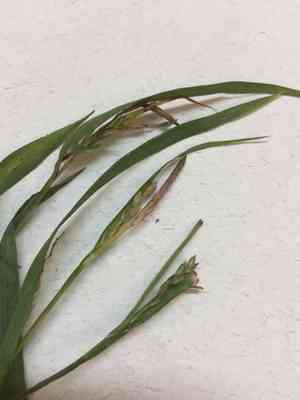
Carex laxiflora, or broad loose-flower sedge, is recognized for its expansive and airy inflorescences. Perform trimming in late winter or early spring to eliminate any deceased or compromised stalks, fostering more robust development. Consistent trimming aids in preserving its appealing structure and averts excessive density. Cut back faded flower stalks to stimulate fresh blossoms and diminish the likelihood of illness. Accurate timing and method guarantee energetic growth and a visually appealing look, rendering it a valuable activity for those who cultivate plants.
What Are the Benefits of Pruning Broad Loose-flower Sedge?
What Are the Benefits of Pruning Broad Loose-flower Sedge?
Trimming broad loose-flower sedge promotes robust development and helps maintain its desired form. Regular trimming lowers the chance of pest infestations and illnesses, ensuring a healthier plant. Furthermore, it enhances air circulation and sunlight penetration, fostering strong and balanced growth.
What Is the Best Time for Pruning Broad Loose-flower Sedge?
What Is the Best Time for Pruning Broad Loose-flower Sedge?
Trimming broad loose-flower sedge in early spring or winter is optimal as these periods align with the plant's dormancy and preparation for the growing season. Early spring trimming allows gardeners to remove any dead or damaged foliage from the winter, encouraging vigorous growth and healthy leaves in the growing season. Winter trimming is advantageous as it minimizes stress on the plant and ensures it is ready to flourish as temperatures rise. Both seasons avoid disrupting the plant during its peak blooming or growth phases, promoting overall health and vitality.
What Tools Do I Need to Prune Broad Loose-flower Sedge?
Hand Pruners
Hand pruners enable precise cutting of individual leaves and small stems, which is suitable for the delicate and intricate structure of broad loose-flower sedge.
Grass Shears
Grass shears are perfect for trimming the edges and tufted grass-like foliage characteristic of broad loose-flower sedge, providing a neat and even appearance.
Bypass Pruners
Bypass pruners are useful for cleanly cutting through thicker stems if necessary, which can help prevent disease and promote healthy growth in broad loose-flower sedge.
Pruning Gloves
Pruning gloves offer protection against sharp edges and potential irritants while handling broad loose-flower sedge.
Rake
A small hand rake is ideal for gathering and removing trimmed foliage, maintaining the health of broad loose-flower sedge by preventing debris build-up.
How to Prune Broad Loose-flower Sedge
Inspect
Examine broad loose-flower sedge for any indications of diseased or withered leaves. These can be identified by discoloration, spots, or a dried appearance.
Tools
Sterilize pruning shears with rubbing alcohol to prevent the spread of diseases.
Trim diseased leaves
Cut off any diseased leaves at the base of the plant, making sure to remove all affected parts to prevent further spread.
Trim withered leaves
Remove any withered leaves by cutting them at their base. Ensure you do not accidentally trim healthy foliage.
Dispose
Properly dispose of the pruned diseased and withered leaves in a sealed bag or burn them to avoid contamination of the surrounding area or compost.
Common Pruning Mistakes with Broad Loose-flower Sedge
Incorrect technique
Using inappropriate tools or not sterilizing equipment can lead to disease spread and damage to broad loose-flower sedge. Unclean cuts may also invite pests.
Timing errors
Pruning at the wrong time can hinder broad loose-flower sedge's growth and flowering. It’s crucial to understand the plant’s growth cycle for optimal results.
Over-pruning
Removing too much foliage can stress broad loose-flower sedge and stunt its growth. This mistake also decreases the plant’s ability to photosynthesize effectively.
Improper disposal
Leaving pruned material around broad loose-flower sedge can attract pests and foster disease. Proper disposal is essential to maintain plant health.
Common Pruning Tips for Broad Loose-flower Sedge
Use sharp tools
Always use sharp, clean tools to make precise cuts and reduce the risk of disease. This ensures a clean cut that heals quickly.
Light pruning
Focus on light pruning, removing only dead or damaged leaves. This encourages healthy growth without stressing broad loose-flower sedge.
Regular inspection
Regularly inspect broad loose-flower sedge for signs of disease, pests, or dead foliage. Prompt removal of affected parts helps maintain health.
Prune for airflow
Ensure good airflow by thinning overcrowded areas. This reduces humidity build-up, which can lead to fungal diseases.
Sanitation
Always sanitize tools between cuts, especially if broad loose-flower sedge shows signs of disease. This prevents the spread of pathogens.



