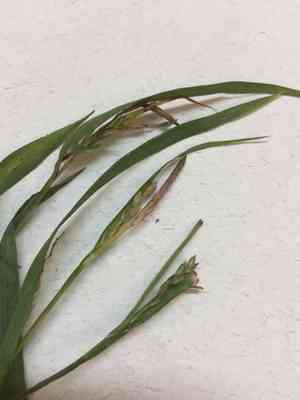
Broad loose-flower sedge (Carex laxiflora)
Also known as: Loose-flowered sedge
Solomon's seal is a perennial plant characterized by its graceful, arching stems and narrow, lance-shaped leaves. It thrives in shady, moist woodlands, often forming elegant clumps. The plant's distinctive drooping flower clusters enhance the woodland undergrowth's diversity, perfectly adapted to flourish under the forest canopy.
In This Article
Attributes of Broad loose-flower sedge
Lifespan
Perennial
Plant Type
Grass
Plant Height
30 cm to 91 cm
Spread
Clumping habit, up to 30 cm wide
Leaf Color
Green
Flower Size
Small, about 5-10 mm
Flower Color
Greenish to reddish-brown
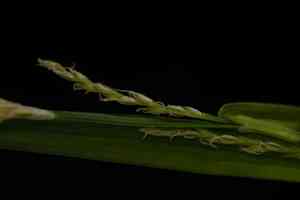
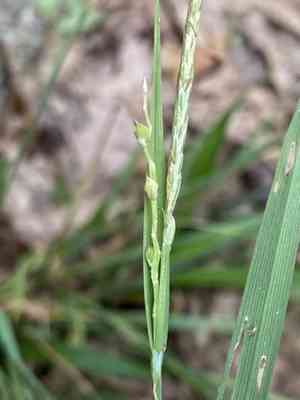
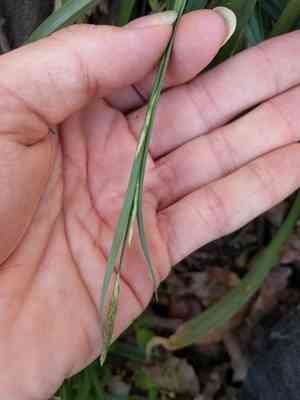
Images of Broad loose-flower sedge
Quickly Identify Broad loose-flower sedge
1
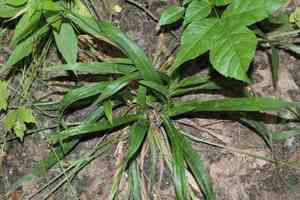
Identifiable by its loose and widely spaced flower spikes, as well as its arching, grass-like blades. The leaves tend to be broader than most sedges and the plant has a clumping growth habit.
Scientific Classification of Broad loose-flower sedge
Phylum
Vascular plants
Class
Monocotyledons
Order
Poales
Family
Sedge
Genus
True sedges
Species
Broad loose-flower sedge
Planting and Growing of Broad loose-flower sedge
Care Difficulty
Moderate
Watering Schedule
Every 3 days
Sunlight Requirements
Partial sun
Sunshine Duration
4-6 hours
Ideal Temperature
50-68℉
Soil Type
Potting Mix, Peat Mix
Soil pH
6.5-7.5
Fertilizer Type
Balanced
Pruning Season
Spring, Summer
Pruning Area
Branches, Leaves
Pruning Frequency
2 times a year
Repotting Season
Spring
Pot Type
Terracotta, Plastic
 How to Water Broad loose-flower sedge?
When watering Carex laxiflora, aim for approximately 250 milliliters each time. This amount helps ensure that the soil remains moist but not waterlogged. The soil should ideally be evenly moist, without any standing water. Ensure that the pot has proper drainage to avoid water buildup, and water until you see a slight trickle from the drainage holes at the bottom.
What are the symptoms of an underwatered Broad loose-flower sedge?
›
What should I do if my Broad loose-flower sedge is not getting enough water?
›
What are the symptoms of an overwatered Broad loose-flower sedge?
›
How to save an overwatered Broad loose-flower sedge?
›
 What Are the Sunlight Requirements for Broad loose-flower sedge?
Carex laxiflora flourishes best in partial sun to full shade. This range allows for vibrant foliage and flowering while preventing stress from direct sunlight.
What is the ideal light condition for Carex laxiflora?
›
How can I achieve ideal lighting for my Carex laxiflora?
›
What are the benefits of providing the ideal light?
›
 What Is the Ideal Temperature Range for Broad loose-flower sedge?
The ideal temperature range for growing Carex laxiflora is between 50°F and 68°F. This range provides optimal conditions for growth and allows the plant to thrive without being subjected to thermal stress.
 What Soil is Best for Broad loose-flower sedge?
Carex laxiflora thrives in soil that can retain moisture effectively without becoming waterlogged. Loam and sandy loam soils offer great balance, allowing roots to access water during dry spells while avoiding root rot. This plant benefits from soils that provide a steady supply of nutrients. Both loam and sandy loam have sufficient organic content to feed the plants, promoting healthy growth and vibrant foliage. While Carex laxiflora enjoys moisture, it also requires soil with good drainage to prevent water stagnation. The well-structured particles in loam and sandy loam facilitate this, making them ideal for the plant.
 How to Fertilize Broad loose-flower sedge?
Carex laxiflora, commonly known as loose-flowered sedge, benefits from a balanced fertilizer approach. Use a half-strength liquid fertilizer to avoid nutrient overload, ensuring healthy growth without stressing the plant.
 How to Prune Broad loose-flower sedge?
Begin by cutting back any dead or damaged foliage, using sharp scissors or pruning shears to make clean cuts. Trim back the longest blades to encourage bushier growth and maintain the plant’s desired shape. Aim to keep an even height across the plant, leaving the core slightly longer to encourage a natural mound effect. In early Spring, remove any winter-damaged leaves to allow new growth to emerge freely. During Summer, lightly trim to keep the plant tidy as this is its prime growing season. In late Autumn, conduct a final clean-up pruning before winter arrives to reduce the foliage density.
More About Pruning Techniques→
 How to Propagate Broad loose-flower sedge plant?
1
Select well-draining soil and prepare it by loosening it with a fork or trowel. This ensures the roots can breathe and young plants access nutrients easily. Enrich the soil with organic matter for better growth.
2
Scatter seeds thinly across the prepared soil in the tray. Cover them lightly with a layer of soil and water gently to keep them moist. Ensure they're kept in a warm area with indirect sunlight to aid germination.
3
Carefully dig up mature plants and gently separate the clumps, ensuring each division has roots attached. Replant these divisions in pre-prepared soil and water them well to establish new growth.
 How to Repot Broad loose-flower sedge plant?
1
It's time to repot your Carex laxiflora when you notice that roots are growing out of the drainage holes or the plant appears to be root-bound, with less vigorous growth. Another sign is when the soil drains almost immediately after watering, indicating that it’s mostly consumed by roots.
2
Select a pot that's about 1-2 inches larger in diameter than the current one. Ensure it has drainage holes to prevent excess water from accumulating, which can lead to root rot. The new space allows roots to expand and promotes healthier growth.
3
For Carex laxiflora, use a well-draining, loamy soil mix. This type of soil retains some moisture while draining excess water, balancing airflow and hydration, which is perfect for the plant's root structure.



