How to Transplant Pubescent sedge?
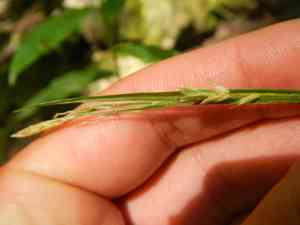
Relocate pubescent sedge during its period of revitalization, specifically from the conclusion of frost to the emergence of new shoots (early to late spring), or when the plant enters its dormant phase (late autumn to early winter). Select a location offering partial shade and damp earth. Carefully transfer pubescent sedge to its new environment, safeguarding its fragile root system for peak development.
Essential Preparations Before Relocating Pubescent Sedge
Optimal Period for Moving Pubescent Sedge?
The best time to move pubescent sedge is from the start of early spring until the end of late spring, or during the cool period from late autumn into early winter. This timing aligns with pubescent sedge's natural growth cycle as it exits dormancy, promoting better root establishment. Additionally, moderate temperatures and adequate soil moisture during these seasons are gentle on pubescent sedge's delicate roots, ensuring successful transplanting without stressing the plant.
Recommended Spacing Between Pubescent Sedge Plants?
To allow your pubescent sedges to thrive, ensure adequate spacing! Position them approximately 6-8 inches (15-20 cm) apart. This provides each plant sufficient room to develop robustly without overcrowding its neighbors.
Ideal Soil Mixture for Pubescent Sedge Transplantation?
Before settling your pubescent sedges into their new spot, prepare the soil carefully! They prefer rich, well-draining soil. Incorporate a balanced, slow-release fertilizer to provide them with a nourishing start. A healthy pubescent sedge is a well-fed one!
Selecting the New Location for Your Pubescent Sedge?
Your pubescent sedges appreciate some sun exposure balanced with shade for relief. Choose a location that offers partial sunlight, shielding them during the warmest part of the day. Consider a spot with dappled light, such as beneath a deciduous tree.
Tools Required for Pubescent Sedge Transplantation
Gardening Gloves
To safeguard your hands while handling soil and the plant.
Shovel or Spade
For excavating the plant and preparing the new planting site.
Garden Fork
To loosen soil around the plant's root ball if necessary.
Pruning Shears
To trim any damaged roots or leaves.
Wheelbarrow or Garden Cart
To transport the pubescent sedge and soil.
Watering Can or Hose
To hydrate the pubescent sedge before and after relocation.
Tarp or Burlap
To secure the root ball during transit, if required.
Method for Extracting Pubescent Sedge from the Ground
Method for Extracting Pubescent Sedge from the Ground?
From Ground: Water the pubescent sedge thoroughly to moisten the soil around its root system. Use a shovel to dig a wide circle around the plant, taking care not to cut roots. Gently pry and lift the plant, ensuring the root ball remains intact.From Pot: Incline the pot sideways and tap its sides to loosen the soil. Carefully pull the pubescent sedge from its base and ease it out. If the plant is root-bound, gently untangle the roots without causing excessive damage.From Seedling Tray: Water the seedlings to make the soil damp. Use a small tool or your fingers to carefully lift individual pubescent sedge seedlings by their leaves, not their fragile stems, making sure each retains a small clump of soil attached to its roots.
Detailed Steps for Transplanting Pubescent Sedge
Plant Health Assessment
Examine the pubescent sedge for any indications of disease or pest problems. Remove any dead or damaged foliage and roots.
Root Ball Preparation
If the pubescent sedge is pot-bound, gently separate the roots to encourage outward growth. For larger root balls, use a garden fork to loosen the roots around the periphery.
Digging the New Hole
Excavate a hole that is twice as wide and the same depth as the root ball. Loosen the soil at the base of the hole to facilitate root penetration.
Positioning the Plant
Place the pubescent sedge in the center of the new hole so that the top of the root ball is level with the surrounding soil. Adjust the depth by adding or removing soil as needed.
Backfilling
Fill the hole with soil around the root ball, gently firming it down without compacting, to eliminate air pockets.
Thorough Watering
Water the pubescent sedge immediately after planting to settle the soil and hydrate the roots.
Mulching
Apply a layer of organic mulch around the base of the pubescent sedge, keeping it slightly away from the stem, to help retain moisture and regulate soil temperature.
Post-Transplantation Care for Pubescent Sedge
Watering
Water the pubescent sedge deeply after transplanting and then consistently to keep the soil uniformly moist until the plant is established.
Monitoring
Observe the pubescent sedge for signs of stress, such as wilting or discolored leaves, and adjust care as necessary.
Mulch Renewal
Ensure the mulch layer remains intact and replenish it as needed to maintain moisture and protect the plant.
Pruning
Periodically remove any dead or dying foliage to promote healthy growth and air circulation.
Resolving Common Issues with Pubescent Sedge Transplantation.
When is the best time to transplant pubescent sedge?
The optimal period for transplanting pubescent sedge is between early spring and late spring, or from late fall to early winter, aligning with cooler temperatures and reduced plant stress.
What spacing should I use when transplanting pubescent sedge?
Ideally, space pubescent sedge approximately 6-8 inches (15-20 cm) apart to provide ample room for growth and development.
Why is my transplanted pubescent sedge wilting?
Wilting after transplanting is often due to transplant shock. Ensure adequate watering and protect it from direct, intense sunlight for a few days.
What soil conditions are best for successful pubescent sedge transplantation?
Transplant pubescent sedge into well-draining soil rich in organic matter to encourage establishment and growth.
Should I fertilize pubescent sedge after transplanting?
Wait several weeks before fertilizing, allowing pubescent sedge to acclimate to its new location, which minimizes stress and aids root development.
How deep should I plant pubescent sedge during transplantation?
Plant pubescent sedge at the same depth it was previously growing to ensure sufficient root coverage without burying the crown.
Can I divide pubescent sedge when transplanting for propagation?
Yes, you can gently divide pubescent sedge at the root ball during transplanting to propagate new plants, being careful not to damage the roots.
How much should I water pubescent sedge after transplanting?
Water pubescent sedge thoroughly upon transplanting and maintain consistent moisture, especially throughout the first growing season, without over-saturating.
What kind of light does pubescent sedge need after being transplanted?
After transplanting, place pubescent sedge in an area with partial shade to shield it from harsh sunlight while it establishes.
How can I protect transplanted pubescent sedge from frost?
Cover pubescent sedge with frost cloth or apply mulch around its base to insulate and protect against potential early or late frost damage.



