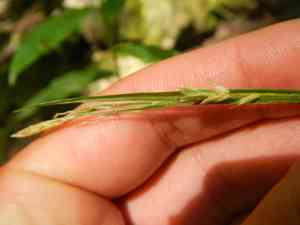
Pubescent sedge (Carex hirtifolia)
Also known as: Hairy Sedge
Pubescent sedge stands out from other sedge plants due to its dense covering of tiny hairs on its leaves and stems. It typically thrives in environments such as forests, upland deciduous woodlands, oak savannas, thinly wooded bluffs and slopes, and occasionally in Eastern Red Cedar forests.
In This Article
Attributes of Pubescent sedge
Lifespan
Perennial
Plant Type
Grass
Plant Height
25 cm to 61 cm
Spread
15-30 cm
Leaf Color
Green
Flower Size
Small, less than 1 cm
Flower Color
Yellow Green
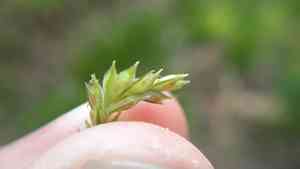
Images of Pubescent sedge
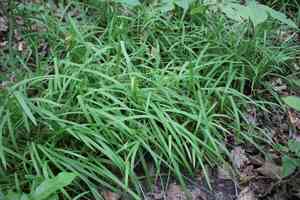
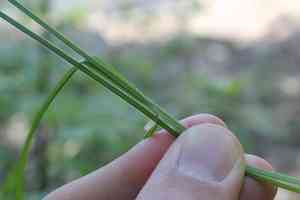
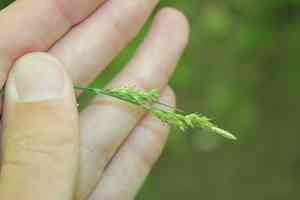
Quickly Identify Pubescent sedge
1
This plant can be identified by its tufted growth habit, hairy leaf sheaths, and rough-textured leaves. It produces small, inconspicuous green to brownish flowers, typically in late spring to early summer.
Scientific Classification of Pubescent sedge
Phylum
Vascular plants
Class
Monocotyledons
Order
Poales
Family
Sedge
Genus
True sedges
Species
Pubescent sedge
Planting and Growing of Pubescent sedge
Care Difficulty
Easy
Watering Schedule
Every 3 days
Sunlight Requirements
Partial sun
Sunshine Duration
6-10 hours
Ideal Temperature
60-75℉
Soil Type
Potting Mix, Peat Mix
Soil pH
6.5-7.5
Fertilizer Type
Balanced
Pruning Season
Spring, Summer
Pruning Area
Branches, Leaves
Pruning Frequency
2 times a year
Repotting Season
Spring
Pot Type
Plastic, Terracotta
 How to Water Pubescent sedge?
When watering Carex hirtifolia, aim for about 250 milliliters each time. Ensure the soil is moist but not soggy. The key is to allow the top layer of soil to dry slightly in between waterings to mimic its natural habitat.
What are the symptoms of an underwatered Pubescent sedge?
›
What should I do if my Pubescent sedge is not getting enough water?
›
What are the symptoms of an overwatered Pubescent sedge?
›
How to save an overwatered Pubescent sedge?
›
 What Are the Sunlight Requirements for Pubescent sedge?
Carex hirtifolia thrives best under partial sun to full shade conditions. Providing this ideal light range ensures the plant grows with vigor, maintains vibrant foliage, and minimizes stress-induced discoloration or wilting.
More About Sunlight Requirements Techniques→
What is the ideal lighting condition for Carex hirtifolia?
›
How can you achieve ideal lighting for Carex hirtifolia?
›
What are the benefits of ideal lighting for Carex hirtifolia?
›
 What Is the Ideal Temperature Range for Pubescent sedge?
Carex hirtifolia thrives best in temperatures ranging from 60°F to 75°F. This temperature range provides an optimal environment for the plant’s metabolic processes, ensuring robust growth and health. Maintaining this temperature helps to mimic the plant's natural habitat conditions, contributing to better foliage and overall vitality.
 What Soil is Best for Pubescent sedge?
Carex hirtifolia thrives in soil that is rich in organic matter, which provides essential nutrients needed for robust growth. A nutrient-rich medium enhances the plant's ability to produce lush foliage and resist pests and diseases. Proper drainage is crucial for Carex hirtifolia to prevent root rot, a common problem in poorly drained conditions. Soil that allows excess water to escape supports healthy root development and overall plant health. While drainage is essential, retaining adequate moisture is equally important for Carex hirtifolia. This ensures the plant remains hydrated during dry spells while still avoiding the pitfalls of waterlogged soil.
 How to Fertilize Pubescent sedge?
For Carex hirtifolia, a moderate amount of fertilizer is ideal. Use about 1/4 to 1/2 of the recommended amount on the package for liquid fertilizer to avoid overfeeding.
 How to Prune Pubescent sedge?
Begin by identifying and removing dead or damaged leaves. This not only improves the plant's appearance but also allows better airflow and light penetration, crucial for healthy carex growth. Trim back the outer leaves and stems to encourage a neat regrowth. Start with the oldest stems, cutting them back to the base to stimulate new growth, and finish with a light trim of remaining areas.
More About Pruning Techniques→
 How to Propagate Pubescent sedge plant?
1
Collect seeds from mature Carex hirtifolia plants in late summer. Clean them carefully to remove any debris and store them in a cool, dry place until ready for spring planting.
2
In early spring, sow the seeds in a prepared seed tray with a suitable potting mix. Cover lightly with soil and water gently to keep the substrate moist but not waterlogged.
3
In spring, carefully dig up a clump of Carex hirtifolia. Use the garden shears to divide the root ball into smaller sections, each containing several shoots and roots. Replant the divisions immediately.
 How to Repot Pubescent sedge plant?
1
Look for signals such as roots visibly growing out of drainage holes, soil becoming compacted, or the plant's growth appearing stunted or slow. When you notice these signs, it's time to consider repotting Carex hirtifolia to give it more space and nutrients, especially during periods of active growth.
2
Select a pot that is 1 to 2 inches larger in diameter than the current one. It's important to choose a container with good drainage to prevent waterlogging, which can harm the roots. A pot that complements the aesthetics of both your plant and its surroundings will also enhance your space visually.
3
Opt for a well-draining potting mix, as Carex hirtifolia thrives in soil that allows for good drainage while retaining sufficient moisture. This type of soil helps prevent root rot by ensuring that excess water flows away from the roots, thus maintaining a healthy growing environment for your plant.
Learn More About Pubescent sedge Diseases
Anthracnose
Bacterial Leaf Spot
Bacterial Soft Rot
Bacterial Wilt
Chemical Injury
Cyst Nematode
Damping-off
Downy Mildew
Drought Stress
Fusarium Wilt
Gray Mold
Leaf Spot
Mosaic
Nutrient Deficiency
Nutrient Toxicity
Powdery Mildew
Root Rot
Root-knot Nematode
Rusts
Sooty Mold
Spider Mites
Temperature Stress
Thrips Damage
White Mold



