How to Prune Pubescent sedge?
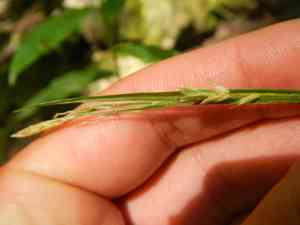
This sedge, which forms clumps and has distinctive leaves, thrives with very little trimming. In early spring, before new shoots appear, cut away any withered or compromised leaves. The period from January to March is perfect, as this sedge is inactive during winter, which prevents it from experiencing stress when pruned. Eliminating spent flower stalks helps keep the plant neat and might lead to more compact foliage. Trimming also enhances air movement, which helps prevent fungal problems. Utilize sharp cutting tools to ensure precise cuts, supporting the plant's vigorous well-being.
Advantages of Trimming Pubescent Sedge
Advantages of Trimming Pubescent Sedge
Trimming pubescent sedge promotes robust development and helps maintain its form. Strategic cuts enhance health and visual appeal, ensuring pubescent sedge flourishes and integrates well into garden designs.
Optimal Period for Pruning Pubescent Sedge
Optimal Period for Pruning Pubescent Sedge
For pubescent sedge, pruning in early spring is ideal, just before its active growth phase. This timing allows the plant to recover swiftly and channel energy into new growth. Pruning then also avoids cutting developing flowers, preserving its blooming potential. Additionally, winter trimming during dormancy is beneficial as it minimizes stress on pubescent sedge, reduces disease transmission due to lower pathogen activity, and lessens disruption to wildlife using the plant for shelter. Both early spring and winter pruning enable gardeners to remove dead or damaged foliage from prior seasons, fostering healthier growth and an attractive shape.
Tools Required for Pruning Pubescent Sedge
Hand Pruners
These are perfect for cutting back spent leaves and stems on pubescent sedge. Their precision allows for targeted foliage removal without harming nearby plant parts.
Gardening Scissors
These can be utilized for more delicate trimming, providing control and accuracy, which is crucial for the slender leaves of pubescent sedge.
Grass Shears
Suitable for shaping the grass-like foliage of pubescent sedge and for maintenance tasks that involve cutting multiple leaves simultaneously.
How to Prune Pubescent Sedge
Sanitize Tools
Disinfect pruning shears with rubbing alcohol or a bleach solution to prevent disease spread.
Identify
Carefully examine pubescent sedge to differentiate between healthy and diseased or withered leaves.
Snip Healthy
For diseased leaves, cut at the leaf's base, ensuring complete removal of the leaf and stem without harming adjacent healthy growth.
Remove Withered
For withered leaves, trim where healthy tissue begins, being careful not to tear or damage the plant.
Dispose
Collect and discard all removed material far from garden beds to prevent any disease from spreading.
Common Pruning Errors with Pubescent Sedge
Excessive Pruning
Pruning pubescent sedge too severely can impair its ability to photosynthesize and recover, leading to reduced vigor or even plant demise.
Cutting too close
Making cuts too near the crown of pubescent sedge can damage growth points, hindering future development.
Pruning aimlessly
Pruning pubescent sedge without a clear objective, such as removing dead or diseased material or shaping the plant, can result in uneven growth and imbalance.
Using dull tools
Employing dull or dirty pruning tools can cause ragged cuts, creating entry points for pests and diseases, potentially stressing or damaging pubescent sedge.
Ignoring dead foliage
Failing to remove dead or diseased foliage can impede pubescent sedge's growth and encourage the spread of pests and diseases.
General Pruning Advice for Pubescent Sedge
Use sharp tools
Utilizing sharp, clean pruning shears will ensure precise cuts that pubescent sedge can quickly heal from, lowering disease risk.
Thinning cuts
Performing thinning cuts, where some stems are cut back to ground level, can revitalize pubescent sedge by encouraging new growth and preventing overcrowding.
Pruning for shape
Pruning pubescent sedge to maintain its natural form rather than imposing an artificial shape will enhance its appearance while promoting healthy development.
Removing dead material
Regularly removing dead, diseased, or damaged material from pubescent sedge will keep the plant healthy and may improve its appearance.
Post-flowering trim
Since seasonal timing has been excluded, a general tip is that after pubescent sedge has flowered, a light trim can encourage a second flush of growth and keep the plant tidy.



