How to Transplant Northern long sedge?
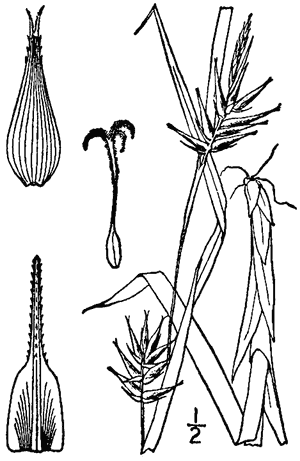
To ensure optimal establishment, relocate northern long sedge as spring blooms transition into the summer period. Select a location featuring soil that retains moisture and offers partial shade, making certain there is sufficient room for expansion.
Preparations Required Before Relocating Northern Long Sedge
Optimal Period for Transplanting Northern Long Sedge
The ideal time to move northern long sedge is from early spring to the beginning of summer. This timing allows roots to establish in warm, but not excessively hot, conditions. Settling during this milder period encourages strong growth, enabling them to thrive before winter's cold.
Recommended Spacing Between Northern Long Sedge Plants
Hello, gardener! When preparing to rehome northern long sedge, position them approximately 1 foot (30 cm) apart. This provides ample room for each plant to grow without overcrowding its neighbors.
Ideal Soil Mixture for Northern Long Sedge Transplantation
For healthy northern long sedge roots, prepare a well-draining soil, such as sandy loam, and incorporate a balanced, slow-release fertilizer. It serves as a nourishing welcome for your plants!
Optimal Location for Relocating Your Northern Long Sedge
Select a site for your northern long sedge where sunlight is intermittent. Partial shade is perfect, providing your perennials with just the right amount of sun exposure without scorching. A location with filtered sunlight is best!
Equipment to Prepare Before Transplanting Northern Long Sedge
Gardening Gloves
To safeguard your hands while handling soil and plants.
Spade or Shovel
For excavating the northern long sedge and creating a new planting site.
Garden Trowel
Useful for detailed work around roots and in confined areas.
Watering Can or Hose
To hydrate the northern long sedge both before and after relocation.
Wheelbarrow or Plant Dolly
For moving the northern long sedge from its original spot to the new planting area.
Pruning Shears
To trim any damaged roots or foliage.
Mulch
To aid in moisture retention and weed suppression around the newly planted area.
Method for Removing Northern Long Sedge from the Soil
Method for Removing Northern Long Sedge from the Soil
From Ground: First, water the northern long sedge to moisten the soil, making excavation easier. Carefully dig a wide circle around the plant to prevent root damage. Slide a spade beneath the root ball and gently lift the northern long sedge from the ground.From Pot: Thoroughly water the northern long sedge to facilitate the removal of the root ball from the pot. Tilt the pot sideways and tap the bottom to loosen the plant. Grasp the plant's base and carefully pull it out, supporting the root ball.From Seedling Tray: Water the northern long sedge seedlings to dampen the soil. Use a garden trowel or a dibber to gently lift each seedling, ensuring a soil clump remains attached to the roots to minimize disturbance.
Step-by-Step Guide for Transplanting Northern Long Sedge
Preparation
Gather all necessary tools and ensure the new planting site is ready for the northern long sedge.
Root Ball Size
Determine the size of the northern long sedge's root ball to know the appropriate hole dimensions.
Digging Hole
Excavate a hole in the new location that is twice as wide and as deep as the northern long sedge's root ball.
Placement
Position the northern long sedge in the center of the hole, ensuring it sits at the same depth as its original growth.
Fill In
Gently backfill the hole with the excavated soil, firming it around the northern long sedge without excessive compaction.
Watering
Thoroughly water the northern long sedge to settle the soil and eliminate air pockets.
Mulching
Apply a layer of mulch around the base of the northern long sedge, being careful not to pile mulch against the stem.
Post-Transplantation Care for Northern Long Sedge
Initial Watering
Water the northern long sedge generously immediately after transplanting to aid recovery from transplant shock.
Regular Watering
Maintain a consistent watering schedule to keep the soil moist, especially during the first few weeks as the northern long sedge establishes.
Monitoring
Observe for signs of stress such as wilting or discolored leaves and address any issues promptly.
Pruning
Remove any dead or damaged foliage to help the northern long sedge direct its energy towards developing new roots.
Resolving Common Issues During Northern Long Sedge Transplantation.
When is the best time to transplant northern long sedge?
Transplant northern long sedge during the optimal period of late spring to early summer for best results.
What spacing should I use for northern long sedge?
Allow each northern long sedge ample room to grow by spacing them approximately one foot apart (30 cm).
Why is my transplanted northern long sedge wilting?
Wilting after transplanting may be due to root shock. Ensure careful handling and sufficient water.
What type of soil does northern long sedge prefer?
For healthy roots, plant northern long sedge in moist, well-draining soil, rich in organic matter.
How much sunlight does northern long sedge require?
Northern long sedge thrives in filtered sunlight to partial shade; avoid intense, direct sun exposure.
Is waterlogging a concern for northern long sedge?
Yes, prevent waterlogging by ensuring the soil drains effectively and is never saturated.
Can I fertilize my northern long sedge after transplanting?
Wait a few weeks post-transplant before fertilizing to allow northern long sedge to acclimate to its new environment.
What should I do after planting northern long sedge?
Water your northern long sedge thoroughly to settle the soil and apply mulch to retain moisture and warmth.
Why are my northern long sedge's leaves turning yellow?
Yellowing leaves could indicate overwatering or inadequate drainage. Adjust watering and check soil conditions.
How do I prepare the site for northern long sedge?
Choose a location with partial shade and moist soil, and remember to loosen the soil to encourage root development.



