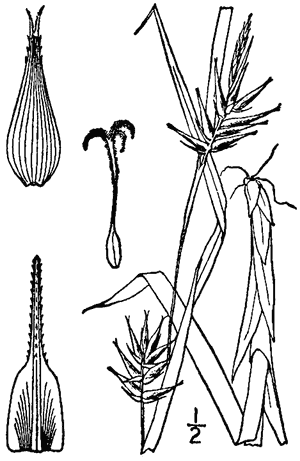
Northern long sedge (Carex folliculata)
Also known as: Long sedge
The northern long sedge is commonly found within its native range, particularly in wetlands and swamps with sandy soils. This perennial plant is sometimes incorporated into gardens, especially around ponds, due to its elegant growth and decorative, star-like seed heads.
In This Article
Attributes of Northern long sedge
Lifespan
Perennial
Plant Type
Grass
Plant Height
15 cm to 71 cm
Spread
0.5 to 2 feet (15 to 60 cm)
Leaf Color
Green
Flower Size
0.15 to 0.3 inches (4 to 8 mm)
Flower Color
Green
Images of Northern long sedge
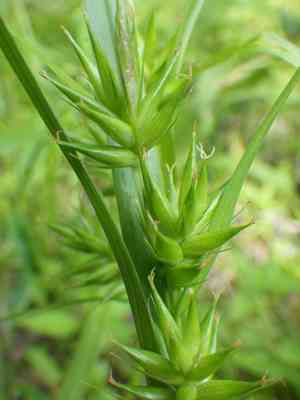
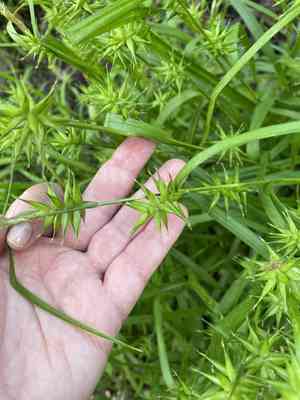
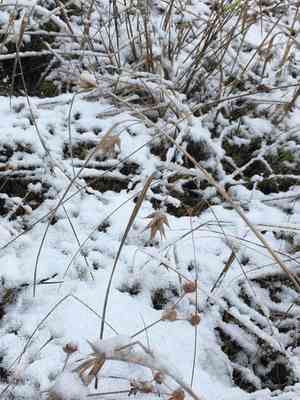
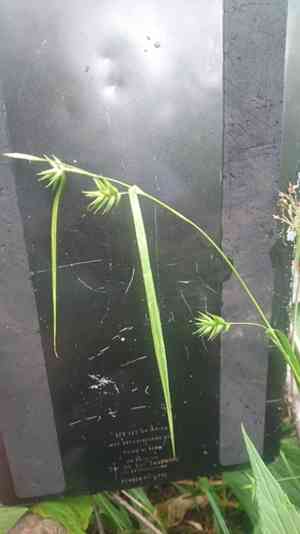
Quickly Identify Northern long sedge
1
Identifying Carex folliculata involves noting its narrow, grass-like leaves and erect, slender stems. The plant produces spiky flower clusters that emerge in the growing season, typically spring to early summer.
Scientific Classification of Northern long sedge
Phylum
Vascular plants
Class
Monocotyledons
Order
Poales
Family
Sedge
Genus
True sedges
Species
Northern long sedge
Planting and Growing of Northern long sedge
Care Difficulty
Moderate
Watering Schedule
Every 4 days
Sunlight Requirements
Partial sun
Sunshine Duration
4-8 hours
Ideal Temperature
50-75℉
Soil Type
Potting Mix, Peat Mix
Soil pH
5-6.5
Fertilizer Type
Balanced
Pruning Season
Spring, Summer
Pruning Area
Branches, Leaves
Pruning Frequency
2 times a year
Repotting Season
Spring
Pot Type
Plastic, Ceramic
 How to Water Northern long sedge?
Carex folliculata thrives in consistently moist soil but does not require it to be waterlogged. Ensure the soil is evenly damp, and aim for about 250 milliliters per watering session. This quantity should sufficiently moisten the root zone without pooling water on the surface.
What are the symptoms of an underwatered Northern long sedge?
›
What should I do if my Northern long sedge is not getting enough water?
›
What are the symptoms of an overwatered Northern long sedge?
›
How to save an overwatered Northern long sedge?
›
 What Are the Sunlight Requirements for Northern long sedge?
Carex folliculata ideally benefits from partial sun to full shade environments. Consistent exposure to this light range enhances its leaf color and growth vigor, simulating the plant's native habitat conditions favorably.
More About Sunlight Requirements Techniques→
What is the best lighting condition for Carex folliculata?
›
How can I provide these ideal lighting conditions?
›
What benefits does ideal lighting provide for Carex folliculata?
›
 What Is the Ideal Temperature Range for Northern long sedge?
Carex folliculata thrives best in temperatures ranging from 50°F to 75°F. This range allows the plant to carry out essential physiological processes effectively, such as photosynthesis and respiration. Within this temperature bracket, the plant is likely to exhibit optimal growth, healthy foliage, and robust flowering.
 What Soil is Best for Northern long sedge?
Carex folliculata thrives in soil that maintains consistent moisture, which promotes robust root growth and prevents dehydration. Ensuring the soil can hold moisture helps the plant withstand dry spells, contributing to lush foliage development. Loamy soil, rich in organic matter, supplies essential nutrients that bolster the health and vigor of Carex folliculata. This nutrient-rich environment supports the plant's growth cycle, enhancing its resilience against pests and diseases. Favoring slightly acidic soils allows Carex folliculata to access vital micronutrients, supporting optimal growth. The acidity ensures that essential elements like iron are more available, preventing deficiencies that could impair the plant's development.
 How to Fertilize Northern long sedge?
When fertilizing Carex folliculata, use approximately half the recommended dose for liquid fertilizers as indicated on the package. For slow-release fertilizers, use about 20 grams per square meter to avoid overwhelming the plant, which thrives in nutrient-poor environments.
 How to Prune Northern long sedge?
Start by identifying dead or damaged leaves, which are often brown or dry. Gently snip these parts with a clean, sharp pair of scissors or garden shears. For best results, cut at the base of the foliage stem, taking care not to damage the healthy leaves. This encourages a fuller look and allows the plant to focus its energy on new growth. In the spring, focus on removing dead leaf blades and old flower spikes to prepare for the new growing season. During the summer, inspect for any disease or pest infestation and trim affected parts. In autumn, reduce the plant's height slightly if desired, ensuring a tidy appearance. Avoid pruning in winter, as it can stress the plant during dormancy.
More About Pruning Techniques→
 How to Propagate Northern long sedge plant?
1
Collect seeds from mature Carex folliculata plants. Make sure the seed heads are dry and brown. Gently shake the seeds into a collection bag or container.
2
Select a mature clump of Carex folliculata. Use a garden shovel to dig around the plant, taking care not to harm the root system. Lift the clump from the ground.
3
Divide the clump into smaller sections, each with roots and shoots. Plant each division in a prepared garden bed or container, ensuring the crown is level with the soil surface.
 How to Repot Northern long sedge plant?
1
Carex folliculata should be repotted when signs of overcrowding appear, such as roots growing out of the drainage holes, slowed growth, or when the plant becomes top-heavy. The best times are during early spring or autumn, ensuring minimal stress on the plant as it enters or exits its growing phase.
2
Select a pot that is one size bigger than the current one, ideally made from breathable material like terracotta. This allows excess moisture to evaporate, reducing the risk of root rot and keeping the plant's environment healthy.
3
Choose a well-draining, peaty loam soil mix. Such a mix will retain enough moisture for Carex folliculata's roots while allowing excess water to escape, which is crucial for preventing waterlogged conditions that could lead to root diseases.



