How to Prune Northern long sedge?
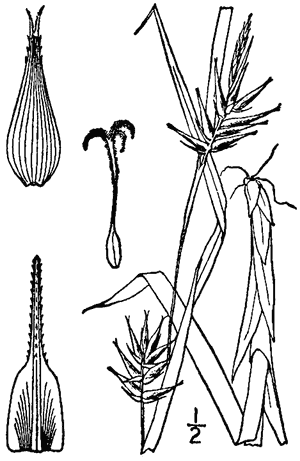
A sturdy sedge commonly found in aquatic environments, northern long sedge thrives with judicious trimming to sustain its vitality. Remove aged and lifeless leaves in late winter or early spring to stimulate robust development. Reducing the plant by one-third enables sunlight and air to penetrate its core, fostering more abundant foliage. Making precise cuts deters illness, while trimming offers visual refinement and manages its dimensions. Thoughtful elimination improves northern long sedge's decorative qualities and curbs prolific self-propagation.
What Are the Benefits of Pruning Northern Long Sedge?
What Are the Benefits of Pruning Northern Long Sedge?
Trimming northern long sedge promotes robust new development, helping sustain its health and vigor. Strategic cutting back keeps its shape compact and visually appealing, potentially boosting its ornamental value.
What Is the Best Time for Pruning Northern Long Sedge?
What Is the Best Time for Pruning Northern Long Sedge?
Pruning northern long sedge in early spring is ideal, aligning with the end of its dormant phase. This prepares northern long sedge for new growth, as energy can be directed to developing healthy new shoots instead of maintaining old or damaged foliage. Furthermore, removing dead or diseased tissue at this time lowers the risk of pest infestation and disease spread as the growing season commences. Winter pruning is also advantageous since the plant is dormant, ensuring minimal stress and allowing the gardener to shape the plant without foliage obstructing the view of its structure. During both seasons, cut wounds heal faster, reducing trauma and enabling more vigorous growth in subsequent seasons.
What Tools Do I Need to Prune Northern Long Sedge?
Sharp Hand Pruners
These are crucial for cutting through the fibrous, tough foliage of northern long sedge. Hand pruners enable precise cuts without harming the plant's remaining structure.
Grass Shears
Grass shears are perfect for trimming and shaping northern long sedge without undue hand strain, especially for larger clusters or when less precision is needed.
Long-Handled Loppers
Northern long sedge can sometimes grow in dense clumps, so loppers with extended handles can be used to cut them back without needing to bend, which is ergonomically beneficial.
How to Prune Northern Long Sedge
Identification
Identify diseased or withered leaves on northern long sedge by looking for discoloration, spots, or signs of wilting.
Sterilization
Sterilize pruning tools with rubbing alcohol or a bleach solution to prevent disease transmission during the trimming process.
Pruning
Using sharp scissors or pruning shears, carefully cut away diseased and withered leaves at their base where they emerge from the rhizome to encourage healthy growth.
Disposal
Properly dispose of removed leaves, away from healthy plants, to prevent any potential spread of disease or pests.
Cleaning
Clean the area around northern long sedge, removing any remaining debris to maintain good hygiene and deter pests.
Common Pruning Mistakes with Northern Long Sedge
Overpruning
Removing too much foliage can stress northern long sedge, hindering its natural growth patterns and reducing its vitality.
Cutting too close
Cutting the stems of northern long sedge too near the ground can damage the crown, risking harm to the plant's future growth.
Neglecting dead material
Failing to remove dead or diseased material can not only look untidy but also harbor pests and diseases that may spread to healthy parts.
Inconsistent pruning
Irregular and sporadic pruning can lead to an uneven appearance and may not support the natural form of northern long sedge.
Using dull tools
Pruning with dull or dirty tools can result in jagged cuts that are more vulnerable to pests and diseases.
Common Pruning Tips for Northern Long Sedge
Clean tools
Always use sharp, clean pruning shears or scissors to ensure precise cuts that will heal quickly, minimizing stress to northern long sedge.
Follow natural shape
Prune to maintain the natural clumping shape of northern long sedge, removing only the outermost portions of the clump to retain its density and form.
Remove only dead or damaged
Focus on removing dead, damaged, or diseased foliage to maintain the health and appearance of northern long sedge, being careful not to remove healthy tissue unnecessarily.
Maintain the plant structure
Avoid cutting into the central growing points (crowns) of northern long sedge to protect future growth. Prune around these vital areas.
Encouraging new growth
Light thinning of older, overgrown clumps can encourage fresh growth from the base of northern long sedge, but ensure this is done minimally to avoid stressing the plant.



