How to Transplant Carolina sedge?
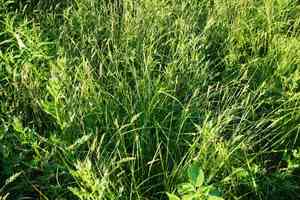
Carolina sedge flourishes most effectively when relocated in mid-spring or early summer, benefiting from ideal growing circumstances. It favors locations with partial shade and ample moisture. Verify that the substrate offers good drainage and is fortified with organic material to facilitate a seamless establishment.
Essential Preparations Before Relocating Carolina Sedge?
When is the Best Time to Move Carolina Sedge?
The ideal period for relocating carolina sedge spans from late spring to early summer. This timeframe ensures suitable soil warmth and fosters robust root development prior to the intense heat of mid-summer. Moving plants during these seasons supports vigorous growth and lessens transplant shock, boosting the plantâs health and resilience.
What Distance Should Be Maintained Between Carolina Sedge Plants?
When getting ready to move carolina sedge, ensure each plant is positioned 12-18 inches (30-45 cm) apart. This provides ample room for root expansion and guarantees sufficient space for them to flourish without becoming overcrowded.
What is the Optimal Soil Blend for Carolina Sedge Relocation?
For carolina sedge, select well-draining soil enriched with organic matter. Prior to transplanting, fortify the soil with a balanced base fertilizer to supply vital nutrients. A simple compost mixture can significantly enhance soil quality and support healthy development.
Where Should You Replant Your Carolina Sedge?
Choose a spot that receives partial shade to ensure carolina sedge gets adequate sunlight. While it can endure full sun, providing some shade, particularly during the hottest parts of the day, will help this perennial thrive.
What Tools Should You Prepare Before Relocating Carolina Sedge?
Gardening Gloves
To safeguard your hands while handling soil and plants.
Shovel or Spade
For excavating the plant and preparing a new planting site.
Watering Can or Hose
To hydrate the plant before and after its move.
Trowel
For more precise digging and to gently dislodge the plant from its original spot.
Wheelbarrow (optional)
To transport the plant if it's large or needs to be moved a considerable distance.
How Do You Extract Carolina Sedge from the Ground?
How Do You Extract Carolina Sedge from the Ground?
From Ground: First, moisten the carolina sedge plant to dampen the soil. Next, dig a wide trench around the plant using a shovel or spade, ensuring the plant's root ball remains intact. Carefully work the spade beneath the root ball to lift the plant from its initial location.From Pot: Thoroughly water the carolina sedge plant the day before its relocation. Gently tilt the pot and tap its sides to loosen the soil. Support the plantâs base as you slowly free the root ball from the pot with a trowel.From Seedling Tray: Water the carolina sedge seedlings thoroughly. Use a trowel or your fingers to carefully lift each seedling, taking care to keep as much of the root ball intact as possible. If the seedlings are tightly packed, gently separate them with minimal root disturbance.
Step-by-Step Guide for Relocating Carolina Sedge
Site Preparation
Select and prepare a new spot for the carolina sedge with suitable soil and light conditions. Dig a hole twice as wide and as deep as the plant's root ball.
Weed Removal
Clear the area of any weeds or unwanted grass that might compete with the newly moved carolina sedge for nutrients and water.
Relocation
Position the carolina sedge in the new hole, ensuring the top of the root ball is level with the ground. Backfill around the root ball with soil, gently pressing to eliminate air pockets.
Watering
Water the carolina sedge thoroughly immediately after relocating to help settle the soil around its roots.
Mulching
Apply a layer of mulch around the base of the carolina sedge to retain moisture and suppress weed growth.
How Do You Care For Carolina Sedge After Relocation?
Watering
Keep the soil around the carolina sedge consistently moist, but not waterlogged, for the initial weeks post-relocation to aid in strong root establishment.
Monitoring
Regularly inspect the plant for signs of distress, such as wilting or yellowing foliage, and adjust care as necessary.
Supporting
If the carolina sedge is tall or top-heavy, provide temporary support like a stake until it becomes established.
Fertilizing
After a few weeks, you can begin applying a balanced fertilizer to encourage robust new growth.
Protection
Shield the relocated carolina sedge from harsh weather conditions, such as heavy rainfall or strong winds, as it adapts to its new environment.
Addressing Common Issues with Carolina Sedge Relocation.
When is the optimal time to move carolina sedge?
Carolina sedge should be moved in late spring to early summer or mid to late fall.
What spacing is required for carolina sedge?
Ensure carolina sedge is spaced 12-18 inches (30-45 cm) apart for proper development.
How do I prepare the soil for carolina sedge?
Improve the soil with compost to create rich, well-draining conditions for carolina sedge.
Should I water carolina sedge right after moving it?
Yes, water carolina sedge thoroughly immediately after relocation to help it settle in its new spot.
How do I handle root-bound carolina sedge plants during relocation?
Gently separate the roots of root-bound carolina sedge plants to promote outward growth.
What kind of sunlight is best for carolina sedge?
Carolina sedge thrives in partial to full shade for optimal development.
How deep should I plant carolina sedge?
Plant carolina sedge at the same depth it was previously growing to minimize stress.
How do I prevent transplant shock for carolina sedge?
Water consistently and avoid disturbing the roots to reduce transplant shock for carolina sedge.
Is mulch necessary for carolina sedge after relocation?
Applying a layer of mulch helps retain moisture and control weeds around carolina sedge.
What should I look for after relocating carolina sedge?
Check for signs of wilting or discoloration, and maintain consistent watering for carolina sedge.



