How to Propagate Carolina sedge?
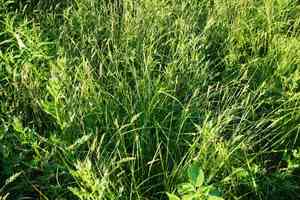
Carolina sedge flourishes in damp, low-light environments and is generally reproduced through separation. Gently divide the clusters, making sure every piece possesses roots and some leaves. Place the separated portions in soil that drains effectively, keeping the moisture level steady to encourage successful rooting. This technique safeguards the genetic characteristics and robustness of the original plant, rendering division perfect for uniform garden development and upkeep.
Optimal Period for Carolina Sedge Propagation
Propagation Type
Division
Propagation Season
Spring,Autumn
Tools Required for Carolina Sedge Propagation
Spade or Garden Fork
Essential for carefully excavating plant clumps for division, a spade or garden fork helps loosen soil around roots without excessive harm to carolina sedge's root system.
Sharp Knife or Garden Shears
A sharp knife or garden shears are vital for cleanly separating root clumps. Precise cuts minimize plant trauma, ensuring robust new carolina sedge divisions.
Root Washing Tray
Washing roots aids in identifying healthy ones and separating them cleanly. A root washing tray assists in soil removal, making the division process more accurate and less damaging to carolina sedge.
Plant Markers
Tracking divided sections with plant markers ensures organized replanting. This is especially useful for carolina sedge, guaranteeing proper placement and labeling for each clump.
Watering Can
Consistent moisture is crucial for newly divided plants. A watering can allows for accurate, gentle irrigation to establish carolina sedge without displacing soil or disturbing roots.
Organic Mulch
Applying organic mulch around new plantings helps retain soil moisture, regulate temperature, and suppress weeds, creating an ideal growing environment for carolina sedge.
Garden Gloves
Protecting hands during division is essential. Garden gloves shield from soil and sharp tools, ensuring gardener safety and efficiency while handling carolina sedge.
Compost or Root Stimulator
Adding compost or a root stimulator at planting time boosts soil fertility and encourages rapid root development. This greatly benefits the successful establishment of carolina sedge.
Method for Propagating Carolina Sedge
Propagation Type
Easy
Post-Propagation Care for Carolina Sedge
How to Care for Your Newly Propagated Carolina Sedge?
After propagation, maintain consistent soil moisture to aid carolina sedge in root establishment. Mulch around plants to retain moisture and suppress weeds. Monitor for stress or pests, addressing issues promptly. Fertilize sparingly, if at all, as carolina sedge generally thrives in nutrient-poor soils. Ensure plants receive partial to full shade for optimal growth. Regularly remove browned or dead foliage to encourage healthy new growth.
Common Errors to Avoid During Carolina Sedge Propagation
Overwatering
Excessive moisture can lead to root rot and fungal infections, hindering successful propagation.
Improper Soil Use
Using soil that is too dense or poorly draining can suffocate roots and impede growth.
Insufficient Light
Lack of adequate light can stunt growth and weaken the plant, reducing propagation success.
Neglecting Pest Control
Failing to monitor and manage pests can harm plant health and decrease propagation rates.
Incorrect Division
Improperly dividing the plant can cause excessive root damage, affecting new plant establishment.
Advice for Propagating Carolina Sedge
Moderate Watering
Ensure soil remains moist but not waterlogged, to support healthy root development.
Well-Draining Soil
Utilize a soil mix that retains some moisture yet drains effectively to prevent waterlogging and root rot.
Adequate Lighting
Position in a spot with indirect, filtered light to encourage strong growth without causing scorching.
Regular Pest Inspections
Frequently check for pests and treat any infestations promptly to maintain plant vitality.
Careful Division
Gently separate the plant at natural division points to minimize root damage and promote successful establishment of new plants.



