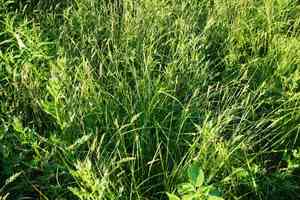
Carolina sedge (Carex caroliniana)
Also known as: Carolina Sedge
Carolina sedge, a perennial native to North American wetlands, flourishes in moist, shaded areas. This plant features narrow, grass-like leaves that form dense clumps, and it produces understated greenish-brown flower spikes during the spring. These characteristics make Carolina sedge well-suited for thriving in its natural, waterlogged habitats.
In This Article
Attributes of Carolina sedge
Lifespan
Perennial
Plant Type
Grass
Plant Height
30-90 cm
Spread
Not significant
Leaf Color
Green
Flower Size
Small, less than 1 cm
Flower Color
Greenish
Images of Carolina sedge
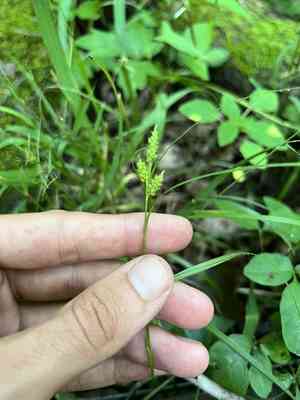
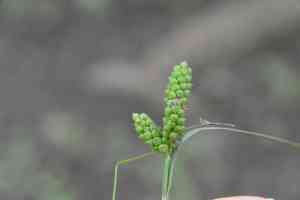
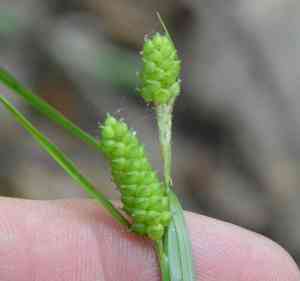
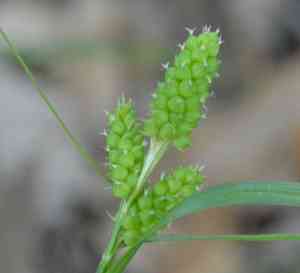
Quickly Identify Carolina sedge
1
Identifying Carex caroliniana involves looking for its distinct triangular stems, narrow grass-like leaves, and small, inconspicuous flowers. This sedge usually forms dense clumps.
Scientific Classification of Carolina sedge
Phylum
Vascular plants
Class
Monocotyledons
Order
Poales
Family
Sedge
Genus
True sedges
Species
Carolina sedge
Planting and Growing of Carolina sedge
Care Difficulty
Easy
Watering Schedule
Every 3 days
Sunlight Requirements
Partial sun
Sunshine Duration
4-6 hours
Ideal Temperature
60-75℉
Soil Type
Potting Mix, Peat Mix
Soil pH
6.5-7.5
Fertilizer Type
Balanced
Pruning Season
Spring, Summer
Pruning Area
Branches, Leaves
Pruning Frequency
2 times a year
Repotting Season
Spring
Pot Type
Plastic, Ceramic
 How to Water Carolina sedge?
When watering Carex caroliniana, ensure the soil is evenly moist but not waterlogged. Water thoroughly until water drains from the bottom of the pot. This simulates its natural wetland environment. Adequate water is crucial during the growing season.
What are the symptoms of an underwatered Carolina sedge?
›
What should I do if my Carolina sedge is not getting enough water?
›
What are the symptoms of an overwatered Carolina sedge?
›
How to save an overwatered Carolina sedge?
›
 What Are the Sunlight Requirements for Carolina sedge?
This plant does well in partial sun conditions, ideally with 2 to 6 hours of dappled sunlight. Ideal lighting promotes lush foliage and healthy developmental patterns.
What is the ideal light condition for Carex caroliniana?
›
How do I adjust lighting to suit this plant's needs?
›
What benefits does ideal lighting offer Carex caroliniana?
›
 What Is the Ideal Temperature Range for Carolina sedge?
The optimal temperature range for Carex caroliniana is between 60°F and 75°F. This range enables the plant to photosynthesize efficiently and maintain consistent growth. Temperatures above or below this range may stress the plant and result in stunted growth or dormancy. Monitoring indoor temperatures carefully will ensure the plant remains within this ideal zone.
 What Soil is Best for Carolina sedge?
Carex caroliniana thrives in well-drained soils that retain some moisture. These conditions mimic its natural habitat along stream banks and wetlands, where moisture is abundant but not stagnant. Ensuring your soil retains sufficient water promotes healthy root development and vibrant foliage. This plant benefits from nutrient-rich soils that provide essential minerals and organic content. Adding compost or well-rotted manure can enhance soil fertility, supporting robust growth and resilience against pests and diseases. While Carex caroliniana enjoys moist soils, it does not tolerate waterlogged conditions. Good drainage prevents root rot and ensures the plant's roots can access oxygen. Loamy soils typically offer an ideal balance of moisture retention and drainage.
 How to Fertilize Carolina sedge?
For Carex caroliniana, the ideal fertilizer amount involves using a balanced formula like 10-10-10. When applying liquid fertilizer, utilize roughly one tablespoon per gallon of water to ensure a gentle but effective nutrient boost.
 How to Prune Carolina sedge?
Begin with sanitizing your tools. Shear away dead or damaged blades at the base, using clean cuts to minimize trauma. Trim any brown tips to neaten the plant without altering its natural shape. Maintain a uniform height and focus on removing older growth to encourage new foliage.
 How to Propagate Carolina sedge plant?
1
For seed propagation, collect mature seeds from the plant in late summer. For division, prepare the plant by watering it a day before to make the soil easier to work with and minimize root damage.
2
Plant the seeds in seedling trays or directly in the desired location outdoors. Ensure the soil is well-draining and maintain consistent moisture for optimal germination. Sowing in early spring provides ideal conditions.
3
Divide the plant during early spring when growth resumes. Gently separate the roots with a spade or knife and plant divisions at the same depth they were previously growing, ensuring to water them thoroughly after planting.
 How to Repot Carolina sedge plant?
1
You'll know it's time to repot Carex caroliniana when the roots start circling around the pot or growing out of the drainage holes. Another sign is when the top growth becomes too dense and the plant appears to be struggling in its current pot. Generally, it's ideal to consider repotting during the growing seasons of spring or summer when the plant will recover quicker.
2
Select a pot that is one size larger than the current one; this helps prevent water stagnation and root rot. A container with drainage holes is essential for Carex caroliniana, as it will allow excess water to escape, preventing waterlogged conditions that this plant dislikes. The material of the pot can vary based on aesthetic preference, but ensure it's sturdy enough to hold the plant as it grows.
3
Opt for a soil mix that retains moisture while ensuring proper drainage, such as a peat-based mix with added perlite or sand. This kind of soil structure will prevent the roots from sitting in water, which could lead to rot. It will also mimic the natural habitat of Carex caroliniana, promoting healthier growth and facilitating nutrient absorption.



