How to Transplant Silvery sedge?
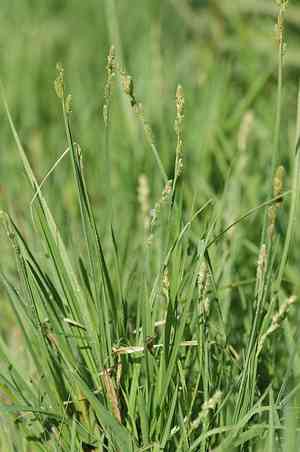
Relocating silvery sedge is most successful from the end of spring through mid-summer, a timeframe that encourages robust development. To achieve the best outcomes, select a location featuring damp, adequately draining earth. Careful management of the root system during this procedure guarantees effective integration.
What Preparations are Needed Before Transplanting Silvery Sedge?
What is the Ideal Time for Transplanting Silvery Sedge?
The best time to move silvery sedge is during its active growth phase, from late spring through mid-summer. This period, characterized by warm weather and longer days, promotes strong root development and adaptation for silvery sedge, ensuring a smooth transition. Relocating silvery sedge at this time maximizes its chances of flourishing, as consistent soil moisture and mild temperatures nourish the plant, allowing it to establish itself before colder months arrive. With a gentle approach, it's crucial to carefully support silvery sedge during its move to a new spot, making sure the soil is well-prepared and that you provide ample care during this critical growth stage.
How Much Space Should You Leave Between Silvery Sedge Plants?
When preparing to rehome silvery sedge, it's advisable to space them approximately 6-12 inches (15-30 cm) apart. This provides each plant sufficient room to thrive without competing with its neighbors.
What is the Best Soil Mix for Silvery Sedge Transplanting?
For healthy silvery sedge plants, prepare a location with well-drained soil. Incorporating some peat or compost into the ground will create an ideal bed. Starting with a balanced slow-release fertilizer will give your silvery sedge a beneficial boost!
Where Should You Relocate Your Silvery Sedge?
Choose a location for your silvery sedge that receives partial shade; they don't prefer full sun. They will be most content with some light filtered through taller plants or a dappled light area in your garden.
What Equipments Should You Prepare Before Transplantation Silvery Sedge?
Gardening Gloves
To safeguard your hands while handling soil and plants.
Trowel or Garden Spade
To excavate and manipulate the soil around the plant's root system.
Watering Can or Hose
To hydrate the silvery sedge before and after relocation, ensuring the root ball is moist.
Wheelbarrow or Plant Tray
To effortlessly move the silvery sedge from its original spot to its new home.
Pruning Shears
To trim any dead or damaged roots and foliage before replanting.
How Do You Remove Silvery Sedge from the Soil?
How Do You Remove Silvery Sedge from the Soil?
From Ground: Water the silvery sedge to moisten the soil, making removal easier. Dig a wide trench around the plant using a garden spade, being careful not to harm the root ball. Slide the spade beneath the root ball, gently lifting it from the ground.From Pot: Tilt the pot sideways and tap the bottom to loosen the root ball. Carefully pull the silvery sedge out by the base of the plant, avoiding tugging on the stems.From Seedling Tray: Water the tray to dampen the soil. Use a trowel or your fingers to carefully lift the silvery sedge from its cell, ensuring you retrieve as much of the root system as possible.
Step-by-Step Guide for Transplanting Silvery Sedge
Hole Preparation
Excavate a hole in the ground that is twice as wide and the same depth as the silvery sedge's root ball.
Root Preparation
Examine the silvery sedge's root ball and trim any excessively long or damaged roots with pruning shears.
Placing silvery sedge
Carefully position the silvery sedge's root ball into the hole, ensuring the top of the root ball is level with the surrounding soil surface.
Soil Backfill
Meticulously backfill the hole with soil, gently tamping down as you proceed to eliminate air pockets without overly compacting the soil.
Watering
Thoroughly water the silvery sedge after transplanting to help settle the soil around the roots and provide essential hydration for recovery.
Mulching
Apply a layer of mulch around the base of the silvery sedge, leaving some space around the stem to reduce weed competition and maintain soil moisture.
How Do You Care For Silvery Sedge After Transplanting?
Watering
Maintain consistent moisture around the silvery sedge, allowing it to establish without the stress of drying out.
Monitoring
Regularly inspect the silvery sedge for indications of transplant shock, such as wilting or discolored leaves, and respond with appropriate care.
Addressing Pests and Diseases
Watch for pests or diseases that might exploit the silvery sedge's vulnerability post-transplant and address them promptly.
Troubleshooting Common Issues with Silvery Sedge Transplantation.
What's the optimal season for transplanting silvery sedge?
Transplant silvery sedge during late spring to mid-summer for the best root establishment.
How far apart should I space silvery sedge when transplanting?
Plant silvery sedge 6-12 inches (15-30 cm) apart to allow room for growth and avoid overcrowding.
Why is my transplanted silvery sedge wilting after planting?
Wilting may be due to transplant shock. Ensure proper watering and avoid full sun until established.
How much should I water silvery sedge after transplanting?
Water silvery sedge thoroughly until the soil is moist but not waterlogged, to encourage deep rooting.
Should I fertilize silvery sedge immediately after transplanting?
Wait a few weeks before fertilizing silvery sedge to avoid burning the roots and stress the plant.
How do I prepare the soil for transplanting silvery sedge?
Amend the soil with organic matter to improve drainage and nutrient content before transplanting silvery sedge.
Can I transplant silvery sedge in extreme temperatures?
Avoid transplanting silvery sedge in extreme heat or cold. Aim for milder conditions to reduce stress.
What should I do if the leaves of silvery sedge turn brown after transplanting?
Browning leaves can be a sign of stress. Check moisture levels and protect from harsh elements.
How can I reduce transplant shock in silvery sedge?
Acclimate silvery sedge to outdoor conditions gradually and keep the root ball intact during transplanting.
Is it alright to divide silvery sedge while transplanting?
Yes, dividing silvery sedge during transplanting can encourage new growth, but handle roots carefully.



