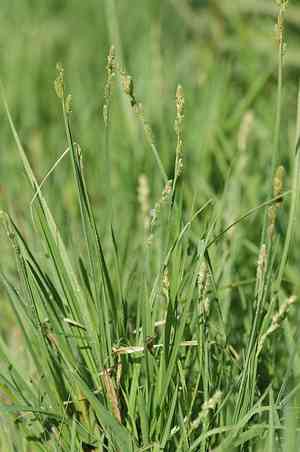
Silvery sedge (Carex canescens)
Also known as: White sedge, Brown sedge
The gray sedge, a perennial herbaceous plant, typically grows to a height of 20 to 60 centimeters (8 to 24 inches). It often forms dense clusters. The stems are sharply triangular and rough near the top, while the lower part features flat, gray-green leaves that are 2 to 4 millimeters wide.
In This Article
Attributes of Silvery sedge
Lifespan
Perennial
Plant Type
Grass
Plant Height
25 cm to 76 cm
Spread
Variable, often 20-40 cm (8-16 inches) depending on growing conditions
Leaf Color
Green with a grayish or whitish coating (hoary)
Flower Size
Flowers are small and packed into spikelets, measuring approximately 1-2 mm in diameter
Flower Color
Brownish or pale greenish
Images of Silvery sedge
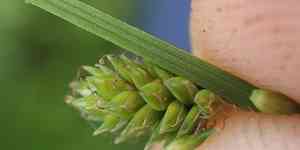
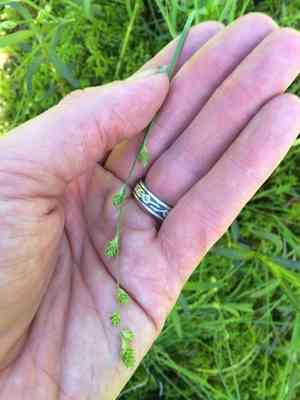
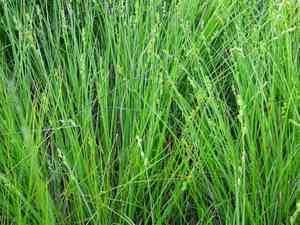
Quickly Identify Silvery sedge
1
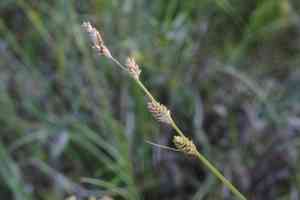
Carex canescens can be identified by its clump-forming growth habit, narrow leaves, and the presence of numerous small, brownish, or pale greenish spikelets. The plant often has a hoary or frosty appearance due to short, white hairs covering it.
Scientific Classification of Silvery sedge
Phylum
Vascular plants
Class
Monocotyledons
Order
Poales
Family
Sedge
Genus
True sedges
Species
Silvery sedge
Planting and Growing of Silvery sedge
Care Difficulty
Easy
Watering Schedule
Every 6 days
Sunlight Requirements
Partial sun
Sunshine Duration
6-10 hours
Ideal Temperature
50-68℉
Soil Type
Potting Mix, Peat Mix
Soil pH
5-7
Fertilizer Type
Balanced
Pruning Season
Spring, Summer
Pruning Area
Branches, Leaves
Pruning Frequency
2 times a year
Repotting Season
Spring
Pot Type
Plastic, Ceramic
 How to Water Silvery sedge?
For Carex canescens, ensure the soil is consistently moist but not waterlogged. Water until you observe moisture around the roots, roughly 200 ml per session for typical potted sizes.
What are the symptoms of an underwatered Silvery sedge?
›
What should I do if my Silvery sedge is not getting enough water?
›
What are the symptoms of an overwatered Silvery sedge?
›
How to save an overwatered Silvery sedge?
›
 What Are the Sunlight Requirements for Silvery sedge?
Partial sun to full shade is ideal for Carex canescens. Such conditions allow the plant to maintain optimal growth, ensuring robust development and minimal stress.
More About Sunlight Requirements Techniques→
What are Carex canescens' lighting needs?
›
How to achieve ideal lighting for Carex canescens?
›
Benefits of ideal light for Carex canescens?
›
 What Is the Ideal Temperature Range for Silvery sedge?
The ideal temperature range for Carex canescens is between 50°F and 68°F. These temperatures ensure optimal growth and physiological processes, facilitating the plant's ability to absorb nutrients efficiently and maintain overall vigor.
 What Soil is Best for Silvery sedge?
Carex canescens thrives in moist soil conditions that retain moisture efficiently. This environment supports the plant's lush growth and ensures it remains healthy and vibrant. Proper moisture levels are crucial for the sedge to flourish and provide a habitat for wildlife. The presence of rich organic matter is ideal for Carex canescens, as it helps in the retention of nutrients and enhances soil fertility. This boosts the plant’s growth by ensuring a steady supply of nutrients necessary for robust health and prolonged life. Despite its preference for moist conditions, Carex canescens requires soil that offers good drainage to avoid waterlogging. Effective drainage prevents root rot and disease, supporting a healthy root system and overall plant vigor.
 How to Fertilize Silvery sedge?
For Carex canescens, apply fertilizer modestly. Use a diluted liquid fertilizer at half the recommended strength, approximately one tablespoon per gallon of water. Alternatively, use a slow-release fertilizer at a rate of 1 teaspoon per square foot. Avoid excessive fertilizer to prevent lush foliage with weak roots.
 How to Prune Silvery sedge?
For Carex canescens, use sharp, clean pruning shears to make precise cuts. This helps prevent damage to the plant and reduces the risk of disease transmission. Start by removing any dead or discolored leaves at the base. Trim back the plant by no more than one-third of its size, focusing on areas that appear too dense to allow light and air to reach the center.
More About Pruning Techniques→
 How to Propagate Silvery sedge plant?
1
After the plant flowers, collect seeds from the seed heads. Ensure they are dry and mature before storage or immediate planting to ensure a high germination rate.
2
Prepare a mixture of peat moss and sand for seed starting or transplanting divisions. This provides a well-draining medium that supports the delicate initial growth stage.
3
When using division, gently separate the clumps into smaller sections. Each section should have a visible root system. Replant these divisions promptly in prepared soil, keeping the crown at soil level.
 How to Repot Silvery sedge plant?
1
Repotting Carex canescens, commonly known as silvery sedge, requires attentiveness to its growth indicators. Look for signs such as roots growing out of the drainage holes or the plant becoming pot-bound, which suggests it is time to upgrade the pot for better growth.
2
Select a pot that is only slightly larger than the current one but offers excellent drainage. The pot material, such as terracotta or ceramic, ensures permeability, reducing waterlogging, a common issue for Carex species that can lead to root rot.
3
Opt for a rich, well-draining soil mix with a balance of organic matter. This ensures that the plant retains moisture without becoming waterlogged, promoting root health and robust growth. Mixing in perlite or coarse sand can aid in drainage.



