How to Prune Silvery sedge?
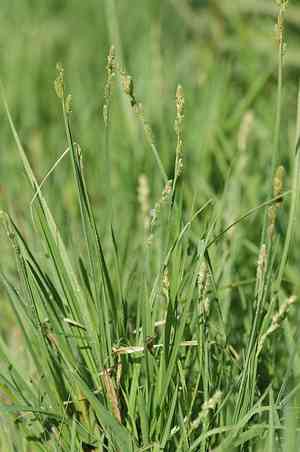
This enduring, grass-like sedge flourishes in damp environments. Optimal trimming for silvery sedge involves removing deceased or faded leaves in early spring prior to the emergence of new shoots, or during winter when the plant is inactive. Severing near the ground encourages robust regeneration and sustains a neat look. Pruning at these intervals fosters strength and can avert decay in humid settings. Concentrate on tidying the clusters to safeguard the distinctive silvery flower spikes of silvery sedge.
Advantages of Trimming Silvery Sedge
Advantages of Trimming Silvery Sedge
Trimming silvery sedge promotes robust new development and helps keep its desired form. This process allows sunlight to reach dense foliage, fostering a healthier plant structure and ensuring more vigorous plant growth.
Optimal Time for Trimming Silvery Sedge
Optimal Time for Trimming Silvery Sedge
The best period for trimming silvery sedge is during early spring or winter. This timing coincides with the plant's dormant phase, typically in colder months when growth slows. Early spring trimming prepares silvery sedge for new growth by removing dead or diseased leaves without disrupting active growth cycles. Winter trimming, when the plant is fully dormant, is beneficial as it minimizes stress or infection risk to silvery sedge due to reduced metabolic activity. These seasons prevent cutting from interfering with flowering or seed production, thus not affecting the reproductive cycle. Trimming during dormancy also allows silvery sedge time to recover before spring regrowth, ensuring stronger, healthier plants.
Tools Required for Trimming Silvery Sedge
Sharp Scissors or Hand Pruners
For silvery sedge, which lacks tough, woody stems, sharp scissors or hand pruners are effective for cutting back dead or brown foliage. The precision of these tools allows for careful trimming without harming the delicate crowns from which new growth emerges.
Grass Shears
Grass shears are perfect for shaping and trimming silvery sedge, especially when dealing with larger clumps. Their long blades facilitate an even cut across the sedge.
Gardening Gloves
Though not a cutting tool, gardening gloves are crucial for protecting hands from the sharp edges of the sedge's leaves when trimming silvery sedge.
How to Trim Silvery Sedge
Clean tools
Before beginning, clean and sanitize all trimming tools to prevent disease spread to silvery sedge.
Identify
Locate the diseased and withered leaves on silvery sedge that need trimming. Look for discoloration, spots, or signs of wilting.
Cut diseased leaves
Using the sanitized trimming shears, carefully cut diseased leaves at their base, where they emerge from the soil, to avoid harming healthy foliage.
Cut withered leaves
Similarly, remove withered leaves at their base to maintain the aesthetic appeal and health of silvery sedge.
Disposal
After trimming, gather all removed leaves and dispose of them away from healthy plants to prevent the spread of any potential diseases.
Common Trimming Errors with Silvery Sedge
Over-trimming
Removing too much foliage from silvery sedge can stress the plant, leading to poor growth or even death. A good guideline is never to trim more than one-third of the plant at once.
Trimming at the crown
Cutting into the crown of silvery sedge can expose the plant to diseases and pests. Always trim shoots and leaves without damaging the crown area.
Blunt tools
Using dull or dirty trimming tools can create jagged cuts that are more prone to infection. Always use sharp, clean tools for a precise cut.
Ignoring dead material
Failing to remove dead or diseased foliage can impede new growth and potentially spread disease to other parts of the plant or nearby plants.
General Trimming Advice for Silvery Sedge
Selective thinning
To encourage light and air circulation, selectively thin out older stems of silvery sedge, which promotes healthier growth patterns and reduces the risk of fungal diseases.
Encouraging bushiness
To foster a fuller appearance in silvery sedge, snip the tips of the stems, which encourages branching and leads to denser foliage.
Post-blooming cleanup
After silvery sedge blooms, trim away spent flowers to encourage new flower production and maintain a neat appearance. Be sure to avoid cutting back the entire clump; focus on individual flowered stems.
Removing damaged leaves
Regularly inspect silvery sedge for damaged or discolored leaves and remove them to prevent decay and encourage healthier growth.



