How to Transplant Asian shortstem sedge?
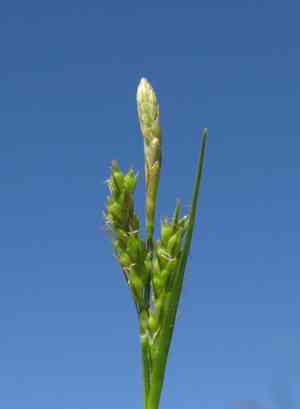
The optimal period for relocating asian shortstem sedge spans from the mild conditions of late spring (following the final frost) through midsummer, or during the refreshing chill of late autumn, enabling root establishment free from temperature extremes. Select a location that replicates their native environment, featuring soil with good drainage and dappled sunlight. Carefully loosen the adjacent soil during transplantation to foster root development.
Essential Preparations Before Relocating Asian Shortstem Sedge?
When is the Best Time to Move Asian Shortstem Sedge?
The prime window for moving asian shortstem sedge aligns with the peak of spring warmth and the onset of summer vigor, or the gentle decline of autumn. Transplanting asian shortstem sedge during these periods ensures better root establishment in mild, stable weather, benefiting from either post-dormancy growth or pre-frost moderation. It's an ideal time for asian shortstem sedge to recover from relocation stress before extreme summer heat or winter cold arrives.
What is the Recommended Spacing for Asian Shortstem Sedge Plants?
Hello there, gardening enthusiast! When placing your asian shortstem sedge, aim for adequate room between them. A spacing of approximately 15-20 cm (6-8 inches) will allow them to flourish without competing for essential resources.
What is the Optimal Soil Blend for Asian Shortstem Sedge Relocation?
Your asian shortstem sedge will thrive in soil that drains well, so consider incorporating some compost or aged manure. A light application of slow-release fertilizer will give your asian shortstem sedge a healthy start without overwhelming it. Treat your plant well, and it will reward you!
Where Should You Replant Your Asian Shortstem Sedge?
Select a location for your asian shortstem sedge that receives partial shade, mimicking its natural environment. Gentle morning sun followed by afternoon shade would be perfect. This will enable your asian shortstem sedge to grow contentedly, just as nature intended!
What Tools Should You Prepare Before Transplanting Asian Shortstem Sedge?
Gardening Gloves
To safeguard your hands while handling soil and plants
Shovel or Spade
For excavating the asian shortstem sedge plant and preparing a new planting site
Watering Can or Hose
To hydrate the asian shortstem sedge plant prior to and following its relocation
Pruning Shears
To trim any damaged roots or foliage
Trowel
To assist in digging smaller or more precise holes
Wheelbarrow or Garden Cart
For moving the asian shortstem sedge plant and soil amendments if needed
Stakes
To offer support to the asian shortstem sedge plant if required after transplanting
Mulch
To help retain moisture and safeguard the root ball post-transplant
How Do You Extract Asian Shortstem Sedge from the Ground?
How Do You Extract Asian Shortstem Sedge from the Ground?
From Ground: First, water the asian shortstem sedge plant to moisten the soil. Next, dig a wide trench around the plant using a shovel or spade, ensuring the root ball remains intact. Carefully work the spade beneath the root ball to lift the plant from its original spot.From Pot: Dampen the soil to facilitate easier removal of the asian shortstem sedge. Invert the pot and tap the base to loosen the plant. Gently ease the plant out, supporting its stems and root ball with your hand.From Seedling Tray: Water the soil in the tray to make the roots more flexible. Use a trowel or your fingers to carefully lift the asian shortstem sedge plant from the tray, taking care not to harm delicate roots.
Step-by-Step Guide for Relocating Asian Shortstem Sedge
Pre-Transplant Hydration
Water your asian shortstem sedge thoroughly the day before relocation to minimize transplant shock and simplify its removal from the ground.
Preparing the New Site
Dig a hole twice as wide as the asian shortstem sedge's root ball and of equal depth to allow the roots ample room to spread.
Inspect the Root Ball
Carefully examine the root ball of asian shortstem sedge for any signs of disease or circling roots, pruning as needed with pruning shears.
Plant Placement
Position the asian shortstem sedge in the center of the new hole, ensuring it stands upright and at the same depth it was previously growing.
Backfilling the Hole
Gently fill in around the asian shortstem sedge with soil, firming it down as you go to eliminate air pockets without over-compacting it.
Post-Planting Watering
Thoroughly water the asian shortstem sedge after planting to settle the soil and ensure good contact between the roots and their new environment.
Staking
If your asian shortstem sedge appears unstable, insert stakes around it and loosely tie the plant to them for support.
How Do You Care For Asian Shortstem Sedge After Relocation?
Initial Watering
Water generously immediately after transplanting and then regularly to maintain consistent moisture while the asian shortstem sedge establishes. Apply a 2-3 inch layer of mulch to retain moisture.
Weed Control
Keep the area around the asian shortstem sedge free of weeds, which can compete for nutrients and water.
Staking Observation
Check stakes to ensure they are not harming the asian shortstem sedge and adjust ties as the plant grows.
Inspect for Stress
Monitor the asian shortstem sedge regularly for indications of transplant shock, such as wilting or discolored leaves, and intervene if necessary.
Addressing Common Issues with Asian Shortstem Sedge Transplantation.
What's the optimal period for moving asian shortstem sedge?
The best time is during the transitional seasons; late spring to early summer or late fall when temperatures are moderate.
How much space should I leave between asian shortstem sedge when relocating?
Space them approximately 6-8 inches (15-20 cm) apart to allow for adequate growth.
Why is my asian shortstem sedge wilting after being moved?
Wilting could be due to root shock or insufficient water. Ensure the soil remains moist and avoid direct sunlight initially.
What's the ideal soil for relocating asian shortstem sedge?
Utilize well-draining soil rich in organic matter to supply the necessary nutrients for asian shortstem sedge.
How deep should I plant asian shortstem sedge?
The root ball should be positioned at the same depth it was previously growing, ensuring the crown is at soil level.
Can I move asian shortstem sedge into full sunlight?
Relocate asian shortstem sedge to a spot that mimics its natural habitat, which typically would not be in full sunlight. Aim for partial shade.
How much water does asian shortstem sedge require after relocation?
Keep the soil consistently moist, but not waterlogged, during the initial weeks post-transplant to help asian shortstem sedge establish.
When can I fertilize asian shortstem sedge after relocation?
Wait about 4-6 weeks to allow asian shortstem sedge to settle in before applying a balanced, slow-release fertilizer.
Should I prune asian shortstem sedge when relocating?
Minimal pruning might be necessary to remove any damaged foliage but is generally not required.
Why are the leaves of asian shortstem sedge turning yellow after being moved?
Yellowing leaves can indicate overwatering or poor drainage. Ensure the soil is moist but well-draining, and adjust as needed.



