How to Prune Asian shortstem sedge?
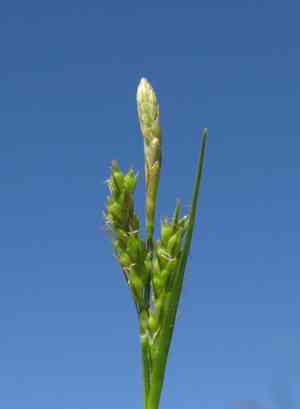
This enduring sedge flourishes in damp environments, exhibiting characteristic, compact clumping tendencies. To ensure peak vitality and development, trim asian shortstem sedge during early spring or winter, prior to the emergence of new vegetation. Eliminating withered or discolored leaves sustains robustness and visual attractiveness. Cut back the foliage to the soil line, fostering the development of new sprouts. Consistent trimming deters excessive growth and improves air circulation, bolstering disease resilience. Make certain cuts are clean to prevent harm to plant tissues. Pruning encourages thick, vibrant regeneration for this particular plant.
What Are the Benefits of Pruning Asian Shortstem Sedge?
What Are the Benefits of Pruning Asian Shortstem Sedge?
Trimming asian shortstem sedge promotes robust development and helps preserve its desired form. Strategic cutting back manages size and fosters a dense, lush look, enhancing the plant's decorative value and vigor.
What Is the Best Time for Pruning Asian Shortstem Sedge?
What Is the Best Time for Pruning Asian Shortstem Sedge?
Early spring is an optimal period for trimming asian shortstem sedge, just before its active growth phase begins. Pruning at this time stimulates asian shortstem sedge to produce fresh, healthy foliage as temperatures rise. Conversely, winter pruning should occur when asian shortstem sedge is dormant, minimizing plant stress and lowering the risk of disease or pest entry through cuts. Both seasons ensure asian shortstem sedge has the best chance for quick recovery and strong growth, avoiding the sap-flowing periods of late spring and summer, which can lead to excessive bleeding and weakening of asian shortstem sedge.
What Tools Do I Need to Prune Asian Shortstem Sedge?
Hand Pruners
Perfect for cutting through the slender, grass-like foliage of asian shortstem sedge. Hand pruners ensure accurate cuts without causing unnecessary harm to the plant's structure.
Grass Shears
Especially useful for trimming and shaping the edges of asian shortstem sedge as they can cut closer to the ground without damaging the crown.
Gardening Scissors
Utilize these for thinning or removing damaged leaves of asian shortstem sedge, providing greater control over cuts, particularly in dense clusters.
How to Prune Asian Shortstem Sedge
Clean tools
Sanitize pruning implements before starting to prevent the spread of disease to or from asian shortstem sedge. Use a bleach or alcohol solution to wipe down the blades.
Diseased leaves
Identify and remove diseased leaves from asian shortstem sedge using bypass pruners or gardening scissors. Make cuts close to the leaf's base where it meets the stem to avoid leaving stubs that can harbor pests or disease.
Withered leaves
Snip off withered or yellowed leaves that are no longer photosynthetically active. This will redirect asian shortstem sedge's energy to healthier growth and maintain its appearance.
Collect debris
Gather and dispose of all removed leaves and plant matter to prevent fungal growth or insect infestations in the area around asian shortstem sedge.
Watering check
After pruning, check asian shortstem sedge's moisture levels to ensure it has adequate water and adjust as needed, as the plant may require less water after foliage removal.
Common Pruning Mistakes with Asian Shortstem Sedge
Overpruning
Removing too much foliage from asian shortstem sedge can stress the plant and impede its growth. This is because asian shortstem sedge stores energy in its leaves, and excessive removal can deplete its reserves.
Improper cutting technique
Using dull or dirty tools can cause jagged cuts that take longer to heal and may expose asian shortstem sedge to disease or pest infestation. Clean, sharp tools are crucial for smooth cuts.
Pruning healthy growth
Trimming new, healthy growth instead of just dead or dying parts can be detrimental to the vitality of asian shortstem sedge. It's important to focus on removing only the parts of the plant that are no longer thriving.
Ignoring natural shape
Disregarding the natural growth habit of asian shortstem sedge when pruning can result in an unnatural appearance and damage to the plant's structure. Following the plant’s innate shape is key to maintaining its health and appeal.
Common Pruning Tips for Asian Shortstem Sedge
Clean tools
Before pruning, ensure tools are clean and sharp to make precise cuts. This helps prevent disease spread and minimizes injury to asian shortstem sedge.
Remove dead material
Gently prune out dead or yellowing leaves and spent flower stems to encourage asian shortstem sedge to direct its energy into new growth and maintain a tidy appearance.
Prune for aeration
Thin out dense clumps to improve air circulation. This will help reduce the chances of fungal diseases, which asian shortstem sedge can be prone to in overly moist conditions.
Shape conservation
When pruning asian shortstem sedge, aim to maintain its natural shape and look for cues from the plant to guide selective trimming. This will encourage a more aesthetically pleasing and healthy specimen.



