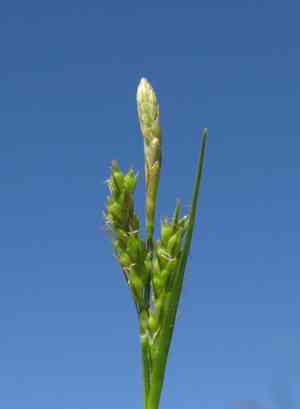
Asian shortstem sedge (Carex breviculmis)
Also known as: Short-stemmed sedge
Asian shortstem sedge (Carex breviculmis) is not only popular in borders, rockeries, and cottage gardens but also plays a significant role in creekbank erosion control due to its fibrous, soil-binding root system. These roots stabilize the soil, reducing erosion by holding it together. Additionally, this plant provides a habitat for frogs and insects and serves as a food source for caterpillars of native butterflies.
In This Article
Attributes of Asian shortstem sedge
Lifespan
Perennial
Plant Type
Grass
Plant Height
8 cm to 40 cm
Spread
15 cm
Leaf Color
Bright green
Flower Size
4 cm
Flower Color
Green
Images of Asian shortstem sedge
Quickly Identify Asian shortstem sedge
1
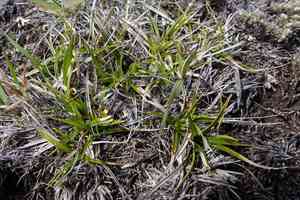
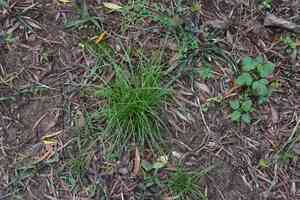
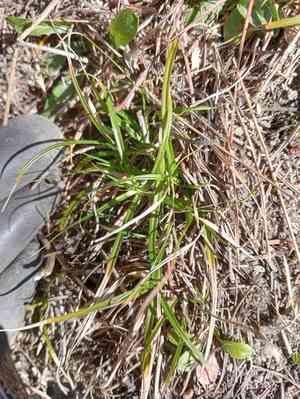
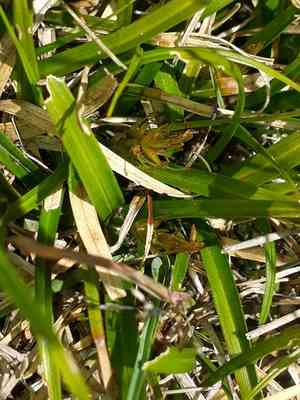
This plant can be identified by its short and compact tufts of grass-like leaves, which are typically flat and narrow. The leaves are often bright green. The flowering spikes are relatively short and inconspicuous.
Scientific Classification of Asian shortstem sedge
Phylum
Vascular plants
Class
Monocotyledons
Order
Poales
Family
Sedge
Genus
True sedges
Species
Asian shortstem sedge
Planting and Growing of Asian shortstem sedge
Care Difficulty
Easy
Watering Schedule
Every 2 days
Sunlight Requirements
Partial sun
Sunshine Duration
4-8 hours
Ideal Temperature
60-75℉
Soil Type
Potting Mix, Peat Mix
Soil pH
6-7.5
Fertilizer Type
Balanced
Pruning Season
Spring, Summer
Pruning Area
Branches, Leaves
Pruning Frequency
Once a year
Repotting Season
Spring
Pot Type
Plastic, Ceramic
 How to Water Asian shortstem sedge?
Carex breviculmis, also known as a short-stalk sedge, thrives best when its soil is kept moist but not waterlogged. To achieve this, the ideal watering amount is around 200 milliliters per session. This ensures that the roots receive adequate hydration without promoting root rot. The aim is to saturate the soil sufficiently so that water reaches the deeper roots while avoiding excess standing water.
What are the symptoms of an underwatered Asian shortstem sedge?
›
What should I do if my Asian shortstem sedge is not getting enough water?
›
What are the symptoms of an overwatered Asian shortstem sedge?
›
How to save an overwatered Asian shortstem sedge?
›
 What Are the Sunlight Requirements for Asian shortstem sedge?
Partial sun exposure allows optimal energy absorption for Carex breviculmis, fostering strong photosynthetic activity that leads to robust growth and resistance against environmental stressors.
What is the optimal light condition for Carex breviculmis?
›
How can I ensure Carex breviculmis gets the ideal lighting conditions?
›
What are the benefits of Carex breviculmis receiving ideal light conditions?
›
 What Is the Ideal Temperature Range for Asian shortstem sedge?
For Carex breviculmis, the ideal temperature range lies between 60°F and 75°F. Within this range, the grass achieves optimal growth and maintains its distinctive vigor and color. This range supports proper metabolic functions, ensuring the plant photosynthesizes efficiently and respires in a balanced way.
 What Soil is Best for Asian shortstem sedge?
Carex breviculmis thrives in well-drained soils that prevent waterlogging, which can lead to root rot. Such soils ensure that the plant roots receive adequate oxygen, enhancing growth and health. This plant requires moderate soil moisture, ensuring that it remains hydrated without being waterlogged. Consistent moisture levels support optimal nutrient uptake and sustained growth. A soil rich in organic matter provides essential nutrients necessary for the vigorous growth of Carex breviculmis. Nutrient-rich substrates enhance foliage color and overall plant vigor.
 How to Fertilize Asian shortstem sedge?
For Carex breviculmis, a moderate amount of fertilizer is beneficial. Use a balanced liquid fertilizer diluted to half-strength with water. Apply about 100-200 ml per plant per application for liquid fertilizers. For slow-release fertilizers, distribute approximately 50 grams per square meter evenly around the base of the plants.
 How to Prune Asian shortstem sedge?
To prune Carex breviculmis, start by using a pair of sharp, clean garden shears. Carefully trim away any dead or discolored foliage near the plant's base to allow for air circulation and light penetration. Aim to maintain a neat and rounded shape, cutting just above the leaf base. Remove any unsightly or overcrowded parts to maintain a tidy look. Consider rejuvenation pruning if the plant looks overly dense or older. Cut back the foliage to about one-third of its original height. This promotes new growth and can reinvigorate the plant for the coming season. Ensure not to cut too close to the crown to avoid damage.
More About Pruning Techniques→
 How to Propagate Asian shortstem sedge plant?
1
First, collect seeds from mature plants and clean them to remove any pulp or residue. Dry the seeds thoroughly before storage or planting. This ensures better germination rates by preventing mold and rot.
2
Fill seed trays with a well-draining seed starting mix. Sow seeds evenly on the surface and cover them lightly with soil. Mist regularly to keep the substrate moist, and place the trays in a warm, well-lit area for optimal growth.
3
For division, wait until the plant is mature with multiple shoots. Use a sharp knife or trowel to separate clumps, ensuring each division has roots attached. Plant the divisions in prepared soil, water well, and reduce transplant shock.
 How to Repot Asian shortstem sedge plant?
1
Carex breviculmis indicates a need for repotting when its roots start growing out of the drainage holes or become tightly bound in the pot, causing stunted growth. Another signal is when water takes a long time to drain after watering. Opt to repot during the active growing seasons of spring or autumn to aid recovery and development.
2
Select a pot that is only slightly larger than the current one, as overly spacious containers can lead to water retention and root rot. Ensure it has good drainage holes. This helps to promote healthy growth by allowing excess water to escape and preventing moisture build-up that could damage the plant.
3
Opt for well-draining, sandy loam soil to provide the ideal environment for Carex breviculmis. This type of soil facilitates proper drainage while retaining essential nutrients, promoting root health and reducing the risk of fungal infections. A balanced mix can support vigorous growth and resilience.



