How to Transplant Southern sedge?
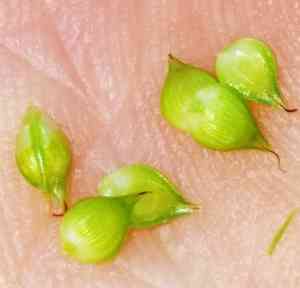
Southern sedge flourishes optimally when relocated in mid-to-late summer, benefiting from elevated soil warmth. Select bright spots featuring soil that drains effectively. Provide adequate hydration after transplanting to encourage robust root development and overall plant health.
What Preparations are Needed Before Transplanting Southern Sedge?
What is the Ideal Time for Transplanting Southern Sedge?
Southern sedge, a perennial, is best moved in late summer to early autumn. This period offers cooler temperatures and increased soil moisture, reducing transplant shock. These conditions optimize root establishment, ensuring healthier growth in subsequent seasons. Moving during this time maximizes survival rates and enhances overall plant vigor.
How Much Space Should You Leave Between Southern Sedge Plants?
For relocating your southern sedge, make sure to space each one 12-18 inches (30-45 cm) apart. This spacing provides ample room for the plants to grow and thrive without competing for nutrients and sunlight.
What is the Best Soil Mix for Southern Sedge Transplanting?
Before relocating your southern sedge, prepare the soil by ensuring it's well-drained and rich in organic matter. A mix of sandy loam with compost works great. Adding a base fertilizer with a balanced N-P-K ratio (like 10-10-10) will give your plants a healthy start.
Where Should You Relocate Your Southern Sedge?
Place your southern sedge in a location that receives full to partial sunlight throughout the day. This means at least 6 hours of sunlight daily, ensuring they have enough light to grow strong and vibrant.
What Equipments Should You Prepare Before Transplantation Southern Sedge?
Gardening Gloves
To protect your hands while working with the soil and plant material.
Shovel or Spade
For digging around and lifting the plant.
Garden Trowel
Suitable for working in tighter spaces and detailed tasks.
Watering Can or Hose
To hydrate the plant before and after relocation.
Compost or Mulch
To enrich the soil and help the plant settle in its new spot.
Pruners
To trim any damaged roots or foliage during the relocation process.
Plant Label and Marker
To keep track of the plant's identity and specific care instructions.
How Do You Remove Southern Sedge from the Soil?
How Do You Remove Southern Sedge from the Soil?
From Ground: First, water the southern sedge plant to moisten the soil. Then, dig a wide trench around the plant using a shovel or spade, ensuring the plant's root ball remains intact. Carefully work the spade under the root ball to lift the plant from its original location.From Pot: Gently water the plant to loosen the soil, then turn the pot on its side. Tap the sides and bottom of the pot to release the root ball. You may need to slide a garden trowel around the edges to help loosen it.From Seedling Tray: Water the seedlings first to soften the soil. Use a garden trowel or your fingers to gently loosen the soil around each seedling. Carefully lift each seedling by the leaves (not the stem) to avoid damaging the plant.
Step-by-Step Guide for Transplanting Southern Sedge
Site Preparation
Clear the chosen area of weeds and debris. Loosen the soil to ensure it's well-aerated and ready to receive the new plant.
Digging Hole
Dig a hole that is twice as wide and slightly deeper than the root ball of the southern sedge plant. This gives the roots plenty of space to spread out and establish.
Plant Placement
Place the southern sedge plant in the center of the hole. Ensure that the top of the root ball is level with the surrounding soil surface to avoid drowning or drying out the roots.
Backfilling
Fill the hole with soil, gently pressing it down to eliminate air pockets, which can dry out the roots and cause transplant shock.
Watering
Water the southern sedge plant thoroughly immediately after transplanting to help settle the soil and start establishing the roots in their new location. Avoid overwatering as it can lead to root rot.
How Do You Care For Southern Sedge After Transplanting?
Watering
Keep the soil around the southern sedge consistently moist, but not soggy, for the first few weeks after transplanting to help establish strong roots.
Mulching
Apply a layer of mulch around the base of the southern sedge plant to conserve moisture and regulate soil temperature.
Monitoring
Keep an eye on the plant for any signs of stress, such as wilting or yellowing leaves. Address any issues promptly to ensure healthy growth.
Pruning
Remove any damaged or dead foliage that may have resulted from the transplanting process to encourage new growth.
Troubleshooting Common Issues with Southern Sedge Transplantation.
When is the best time to transplant southern sedge?
Mid to late summer is ideal for transplanting southern sedge. It ensures optimal root establishment.
How far apart should southern sedge plants be spaced?
Southern sedge plants should be spaced 12-18 inches (30-45 cm) apart for healthy growth.
How to prepare the soil for southern sedge transplantation?
Ensure well-draining soil with some organic matter for optimal growth of southern sedge.
What to do if southern sedge looks wilted after transplanting?
Water thoroughly and provide shade temporarily to help southern sedge recover from transplant shock.
Should I water southern sedge before transplanting?
Yes, water southern sedge a day before to ease root removal and minimize stress.
How deep should the hole be when transplanting southern sedge?
Dig a hole twice the width and the same depth as the root ball.
What is the ideal temperature for transplanting southern sedge?
Transplant southern sedge when daytime temperatures are between 60-85°F (15-29°C).
How frequently should southern sedge be watered after transplanting?
Water southern sedge regularly, keeping the soil moist but not waterlogged until established.
Can I fertilize southern sedge immediately after transplanting?
Wait a few weeks after transplanting southern sedge before applying a balanced fertilizer.
How to protect southern sedge from pests after transplanting?
Use organic mulch and consider natural pest deterrents to protect southern sedge from pests.



