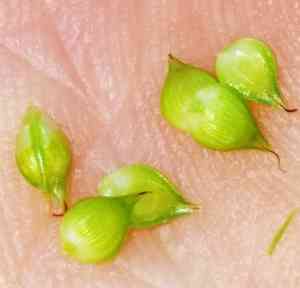
Southern sedge (Carex austrina)
Also known as: Southern Sedge
The genus Carex, commonly known as sedges, is among the largest genera of flowering plants, comprising approximately 2,000 species. For a detailed list of all accepted species, including hybrids, you can refer to databases such as the World Checklist of Selected Plant Families (WCSP) by the Royal Botanic Gardens, Kew, Plants of the World Online (POWO), or The Plant List.
In This Article
Attributes of Southern sedge
Lifespan
Perennial
Plant Type
Grass
Plant Height
30 cm to 91 cm
Spread
Typically forms dense clumps, up to 30 centimeters wide
Leaf Color
Green
Flower Size
Small, about 1-3 centimeters
Flower Color
Greenish-brown
Images of Southern sedge
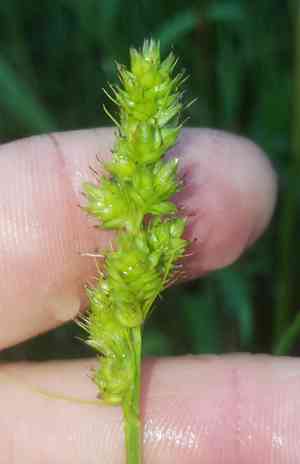
Quickly Identify Southern sedge
1
Carex austrina can be identified by its tufted growth habit and narrow, grass-like leaves. The plant produces small, greenish-brown flower spikes during its blooming period.
Scientific Classification of Southern sedge
Phylum
Vascular plants
Class
Monocotyledons
Order
Poales
Family
Sedge
Genus
True sedges
Species
Southern sedge
Planting and Growing of Southern sedge
Care Difficulty
Easy
Watering Schedule
Every 2 days
Sunlight Requirements
Partial sun
Sunshine Duration
6-8 hours
Ideal Temperature
60-75℉
Soil Type
Potting Mix, Peat Mix
Soil pH
6.5-7.5
Fertilizer Type
Balanced
Pruning Season
Spring, Summer
Pruning Area
Branches, Leaves
Pruning Frequency
2 times a year
Repotting Season
Spring
Pot Type
Plastic, Ceramic
 How to Water Southern sedge?
Carex austrina thrives best when watered about 400 milliliters at a time. It's essential to ensure the soil is moist but not soggy. This amount allows the roots to absorb necessary moisture without drowning them, maintaining the right balance of air and water in the soil.
What are the symptoms of an underwatered Southern sedge?
›
What should I do if my Southern sedge is not getting enough water?
›
What are the symptoms of an overwatered Southern sedge?
›
How to save an overwatered Southern sedge?
›
 What Are the Sunlight Requirements for Southern sedge?
Partial sun offers Carex austrina a balanced light level, usually around 2-4 hours daily. This ideal range mimics its natural habitat, enhancing foliage growth and overall plant health, while reducing the risk of light-induced stress.
Optimal Lighting Environment
›
How to Achieve Ideal Light Conditions
›
Benefits of Proper Lighting
›
 What Is the Ideal Temperature Range for Southern sedge?
The ideal temperature range for growing Carex austrina is between 60°F and 75°F. These temperatures provide the optimal conditions for growth, ensuring that the plant can photosynthesize efficiently, maintain cellular processes, and develop healthy foliage.
 What Soil is Best for Southern sedge?
Carex austrina thrives best in well-drained soils where excess water can easily percolate. This condition helps in preventing root rot and promotes healthy root growth. It prefers soil that retains moderate moisture; not too dry, and not waterlogged. Consistent moisture levels enhance its lush growth and vibrant foliage. A soil medium rich in organic matter is essential for Carex austrina, providing the necessary nutrients that boost its growth and help maintain its green hue.
 How to Fertilize Southern sedge?
For Carex austrina, apply a balanced liquid fertilizer at one-half the recommended strength. This helps to prevent any nutrient overload and ensures the plant isn't overwhelmed by the nutrient influx.
 How to Prune Southern sedge?
To prune Carex austrina, begin by inspecting the plant for any dead or damaged leaves. Use clean, sharp scissors or pruning shears to cut these leaves at their base, taking care to avoid cutting healthy foliage. This encourages the plant to divert energy to new, healthy growth. Once dead material is removed, focus on shaping the plant. Trim overgrown or unruly sections to maintain a tidy, symmetrical form. Make cuts just above a leaf node, which can stimulate new shoots and fuller growth. This shaping helps keep the plant compact and attractive throughout its growing season.
 How to Propagate Southern sedge plant?
1
Sow the seeds in a seed tray filled with a seed-starting medium. Lightly cover the seeds and keep them in a warm, bright area. Maintain moisture until germination occurs, which may take several weeks.
2
Select mature plants in early spring. Water the plant thoroughly a day before dividing to ensure the roots are hydrated. Gently lift the plant from the ground, maintaining as much of the root system intact as possible.
3
Use a sharp spade or knife to divide the plant into smaller clumps, ensuring each has a viable section of root system. Plant immediately in prepared soil at the same depth they were growing previously.
 How to Repot Southern sedge plant?
1
Carex austrina should be repotted when you notice that the roots are outgrowing the current pot, water is not draining effectively, or the plant appears stunted and lacks vigor. Spring and Autumn are ideal times to repot because the milder temperatures provide a less stressful environment for the plant to establish itself in new soil.
2
Select a pot that is just one size larger than the existing one to avoid excessive soil retention, which can lead to root rot. The pot should have good drainage holes to ensure excess water can escape easily, preventing the roots from sitting in water. A slightly wider pot is preferable as it allows room for lateral root development.
3
A well-draining potting mix is crucial for Carex austrina, as it prevents waterlogging and soil compaction. Look for a mix that incorporates sand or perlite to enhance drainage without sacrificing moisture retention. This type of soil encourages healthy root growth and helps avoid common issues such as fungal infections.



