How to Propagate Southern sedge?
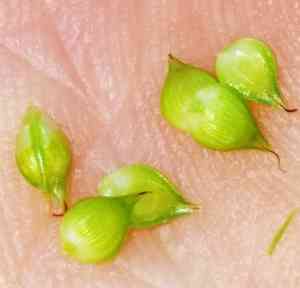
Carex georgiana is a resilient perennial grass species indigenous to humid meadows and forested areas. It flourishes optimally in thoroughly saturated ground with exposure to partial or complete sunlight. To achieve successful propagation, employ the division method, making certain to separate the rhizomes by meticulously dividing the root ball. Insert the segments into fertile, damp substrates, and ensure continuous irrigation to foster fresh development. Consistent observation will encourage more robust, thriving specimens.
What Is the Best Time To Propagate Southern Sedge?
Propagation Type
Division
Propagation Season
Spring,Autumn
What Tools Are Used in Southern Sedge Propagation?
Garden Fork
A garden fork is crucial for loosening and lifting the soil around southern sedge without harming its roots. It facilitates easy removal of the plant clump needed for division.
Sharp Knife or Pruning Shears
A sharp knife or pruning shears are vital for making clean cuts through the root ball of southern sedge. Clean cuts reduce infection risk and encourage healthy root regeneration.
Watering Can
A watering can is important for ensuring sufficient moisture during and after the division process. Consistent watering helps southern sedge establish in its new location more effectively.
Rooting Hormone
Applying a rooting hormone can boost root development in the divided sections of southern sedge. This increases the likelihood of successful establishment and growth after division.
Gloves
Wearing gloves protects your hands while handling soil and plant material. This ensures safe interaction with southern sedge and minimizes injury or contamination risks.
Spade or Shovel
A spade or shovel aids in lifting heavy clumps of southern sedge from the ground. They provide necessary leverage and make the extraction process more efficient.
How to Propagate Southern Sedge?
Propagation Type
Easy
How to Care for Your Newly Propagated Southern Sedge?
How to Care for Your Newly Propagated Southern Sedge?
Following propagation, continue to supply southern sedge with sufficient water, especially during dry spells. Observe the plants for any indications of stress or disease. Regularly remove weeds from the area to reduce competition for nutrients and maintain soil health. Fertilize sparingly, as southern sedge typically thrives in nutrient-poor soils. Trim back any dead or damaged foliage to encourage healthy growth. With consistent attention, the propagated plants will establish and flourish over time.
Common Mistakes to Avoid When Propagating Southern Sedge
Overwatering
Too much water can lead to root rot and fungal infections, reducing the chances of successful propagation.
Improper Soil Choice
Using soil that holds too much moisture or lacks adequate drainage can suffocate roots and hinder growth.
Inadequate Sunlight
Not providing enough light can stunt growth and result in weak, unhealthy plants.
Neglecting Pest Management
Ignoring pests like aphids can cause significant harm to young plants, impeding their development.
Tips For Propagating Southern Sedge
Well-Draining Soil
Utilize a sandy or loamy soil mix to ensure proper aeration and prevent waterlogging.
Moderate Watering
Water sparingly, allowing the soil to dry out slightly between watering sessions to avoid root rot.
Adequate Light
Ensure the plant receives plenty of indirect sunlight to promote healthy growth.
Regular Pest Monitoring
Inspect plants frequently for signs of pests and treat any infestations promptly to prevent damage.



