How to Transplant Darkbrown sedge?
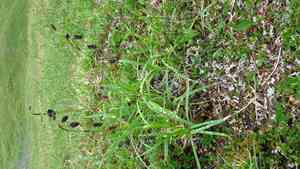
For darkbrown sedge, the most favorable period for relocation is from the beginning to the end of spring. This timing allows the root system to establish itself prior to the summer season. Select a location that is damp and drains effectively. Should it be required, gradually introduce darkbrown sedge to its new environment to encourage peak development.
What Preparations are Needed Before Transplanting Darkbrown Sedge?
What is the Ideal Time for Transplanting Darkbrown Sedge?
The best time to relocate darkbrown sedge is during spring's awakening, specifically from its initial signs to the end of the season. This period offers mild temperatures and consistent moisture, crucial for darkbrown sedge's root establishment and recovery from transplant shock. By transplanting within this timeframe, you leverage the season's gentle warmth, allowing darkbrown sedge to adapt smoothly and support vigorous growth. A helpful hint: ensuring darkbrown sedge is settled in its new spot during this time promotes a flourishing, vibrant plant.
How Much Space Should You Leave Between Darkbrown Sedge Plants?
When rehousing darkbrown sedge, aim for a spacing of approximately 8-12 inches (20-30 cm) between plants. This provides each specimen ample room to thrive and expand, contributing to a healthy, happy garden environment.
What is the Best Soil Mix for Darkbrown Sedge Transplanting?
For darkbrown sedge, a well-draining soil enriched with organic matter would be beneficial. Before planting, incorporate some compost as an initial fertilizer to nourish your plants and encourage robust development.
Where Should You Relocate Your Darkbrown Sedge?
Your darkbrown sedge would thrive in a location that receives partial shade to full sun. Therefore, when selecting a garden spot, look for an area that offers a gentle blend of sunshine and shade throughout the day.
What Equipments Should You Prepare Before Transplantation Darkbrown Sedge?
Gardening Gloves
To safeguard your hands while handling soil and darkbrown sedge.
Shovel or Spade
For digging up and moving the darkbrown sedge.
Watering Can or Hose
To hydrate the darkbrown sedge before and after its relocation.
Trowel
To refine the planting hole or extract a darkbrown sedge from a container.
Garden Fork
To loosen the soil around the darkbrown sedge without harming its roots.
Pruners
To trim any dead or excess parts of the darkbrown sedge prior to transplanting.
Wheelbarrow or Garden Cart
For transporting the darkbrown sedge and soil.
Rooting Hormone (optional)
To stimulate root development after transplanting.
Mulch
To aid in retaining soil moisture and temperature post-transplant.
How Do You Remove Darkbrown Sedge from the Soil?
How Do You Remove Darkbrown Sedge from the Soil?
From Ground: First, moisten the darkbrown sedge to dampen the soil. Next, excavate a wide trench around the darkbrown sedge using a shovel or spade, ensuring the root ball remains intact. Carefully work the spade beneath the root ball to lift the darkbrown sedge from its original spot.From Pot: Begin by thoroughly watering the darkbrown sedge. Incline the pot and gently tap or squeeze it to loosen the soil. Remove the darkbrown sedge by pulling the plant's base while supporting the root ball.From Seedling Tray: Water the seedlings to make the soil pliable. Use a trowel or your fingers to carefully lift each darkbrown sedge, cradling the root ball to minimize root disturbance.
Step-by-Step Guide for Transplanting Darkbrown Sedge
Preparation
Gather all necessary tools and ensure the transplant site is ready beforehand.
Plant Removal
Water the darkbrown sedge and follow the appropriate removal procedure from its original location, whether it's the ground, a pot, or a seedling tray.
Root Inspection
Gently remove excess soil and examine the roots. Trim any dead or damaged roots with pruners.
Transplant Hole
Dig a hole in the ground twice as wide as the root ball and roughly the same depth to ensure the darkbrown sedge is at its previous growing level.
Placement
Position the darkbrown sedge into the prepared hole, making sure it is upright and centered.
Refilling
Backfill the hole with soil, gently tamping down around the root ball to eliminate air pockets.
Watering
Thoroughly water the darkbrown sedge after transplanting to settle the soil and provide hydration.
Mulching
Apply a layer of mulch around the base of the darkbrown sedge, avoiding direct contact with the stems, to conserve moisture.
How Do You Care For Darkbrown Sedge After Transplanting?
Maintenance
Regularly check the plant for signs of transplant shock, such as wilting or discolored leaves, and address any issues promptly.
Trimming
Prune only the essential parts of the darkbrown sedge to reduce transplant shock and encourage new growth.
Watering
Provide consistent moisture for the darkbrown sedge in the initial weeks without overwatering, then adjust as the darkbrown sedge acclimates to its new environment.
Mulching
Maintain the mulch layer to conserve water and regulate soil temperature.
Support
Stake or provide other support systems if the darkbrown sedge shows signs of instability or is planted in a windy location.
Troubleshooting Common Issues with Darkbrown Sedge Transplantation.
What's the best time to transplant darkbrown sedge?
The ideal transplanting period for darkbrown sedge extends from early to late spring, capitalizing on moderate temperatures and soil moisture.
How far apart should I space darkbrown sedge when transplanting?
Aim for a spacing of approximately 8-12 inches (20-30 cm), allowing darkbrown sedge ample room to thrive without overcrowding.
What should I do if darkbrown sedge's roots are too dense when transplanting?
Gently separate dense roots before planting. This promotes outward growth and prevents girdling.
How deep should I plant darkbrown sedge during transplantation?
Dig a hole as deep as the root ball and twice as wide, ensuring the top of the root ball is level with the soil surface.
Can I transplant darkbrown sedge during the summer or fall?
Transplanting darkbrown sedge outside of early to late spring risks heat stress or frost damage to new roots.
What soil conditions are best for transplanting darkbrown sedge?
Utilize well-draining soil rich in organic matter to provide darkbrown sedge with a healthy start post-transplant.
How often should I water darkbrown sedge after transplanting?
Water thoroughly after transplanting, then maintain consistent moisture without overwatering to establish roots.
What sunlight conditions are ideal for darkbrown sedge after transplanting?
Place darkbrown sedge in a spot with partial to full sunlight exposure, depending on your region's intensity.
How do I preserve soil moisture for darkbrown sedge post-transplant?
Apply a 2-3 inch (5-7.5 cm) layer of mulch around darkbrown sedge, avoiding direct contact with the stem.
Why are the leaves of my transplanted darkbrown sedge wilting?
Wilting post-transplant often indicates root shock. Ensure proper planting depth, adequate water, and avoid full sun until recovery.



