How to Prune Darkbrown sedge?
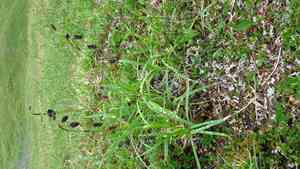
Darkbrown sedge, a perennial grass-like plant, is characterized by its unique dark brown blossoms and clustered development. Remove any deceased or excessively long foliage in early spring prior to new growth, or during the winter season. Cut back the clusters just above the ground for revitalization. This trimming practice enhances the plant's well-being by facilitating air movement and deterring illnesses. Generally, only light pruning is necessary, highlighting darkbrown sedge's ease of care. Always employ sanitized, sharp implements to avoid harm and the transmission of pathogens.
What Are the Benefits of Pruning Darkbrown Sedge?
What Are the Benefits of Pruning Darkbrown Sedge?
Trimming darkbrown sedge promotes more vigorous development by reallocating energy to healthy shoots and preserving its size and shape. This regular cutting back is crucial for a compact growth habit and robust health.
What Is the Best Time for Pruning Darkbrown Sedge?
What Is the Best Time for Pruning Darkbrown Sedge?
Pruning darkbrown sedge in early spring is ideal because the plant revitalizes after its winter dormancy. This timing allows for the removal of any dead or damaged foliage from winter frosts, encouraging new, healthy growth. In early spring, the plant hasn't yet expended energy on new shoots, making it the perfect time to prune without negatively affecting its growth cycle. Winter pruning is also advised when the plant is dormant. This enables gardeners to shape darkbrown sedge without stressing it, as it conserves energy during this period. Winter pruning also prepares darkbrown sedge for strong growth in the subsequent season.
What Tools Do I Need to Prune Darkbrown Sedge?
Hand Pruners
Darkbrown sedge is a grass-like plant, and standard hand pruners are perfect for removing dead or unattractive foliage. They provide a clean cut without harming the plant's delicate stems.
Grass Shears
For shaping darkbrown sedge or uniformly cutting larger areas, grass shears are an excellent option. They can easily snip through grass blades without pulling or tearing, which is vital for maintaining plant health.
Garden Scissors
Garden scissors can be utilized for more precise trimming of darkbrown sedge, especially in confined spaces or for refining the plant's form.
How to Prune Darkbrown Sedge
Clean and sterilize
Before beginning, ensure all pruning tools are clean and sterilized to prevent disease transmission to darkbrown sedge.
Inspect
Examine darkbrown sedge closely to identify diseased or withered leaves that need removal.
Snip diseased leaves
Using sharp scissors or pruning shears, carefully snip off diseased leaves at their base, where they emerge from the ground, to enhance the health of darkbrown sedge.
Trim withered leaves
Trim any withered or dead leaves in the same manner, cutting them at the base to maintain the aesthetic appeal and vitality of darkbrown sedge.
Disposal
Properly discard the removed leaves to prevent re-infection or pest attraction around darkbrown sedge.
Common Pruning Mistakes with Darkbrown Sedge
Over pruning
Removing excessive foliage from darkbrown sedge can stress the plant, leading to weak growth or increased susceptibility to pests and diseases.
Improper cut locations
Cutting darkbrown sedge too high or too low relative to the crown can result in poor plant shape and may invite disease at the site of awkward cuts.
Use of dull tools
Employing dull pruning tools can lead to jagged cuts, making darkbrown sedge more vulnerable to bacterial and fungal infections.
Pruning into older wood
Cutting into the old, woody stems of darkbrown sedge may not stimulate new growth, as this species typically responds better to trimming the current season's growth.
Common Pruning Tips for Darkbrown Sedge
Sharp instruments
Always use sharp, clean shears to ensure precise cuts that heal quickly on darkbrown sedge, minimizing disease risk.
Cutting height
Trim the browned, spent foliage of darkbrown sedge down to the base to encourage fresh growth; avoid leaving long stubs which can appear unsightly.
Seasonal regrowth
Since seasonal timing details are excluded, focus on evaluating darkbrown sedge's growth cycle and prune when it starts to look untidy or when its foliage is damaged.
Deadleaf removal
Gently remove dead leaves from darkbrown sedge by hand or with a small rake to maintain its appearance and reduce hiding spots for garden pests.



