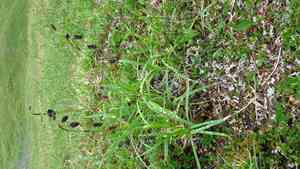
Darkbrown sedge (Carex atrofusca)
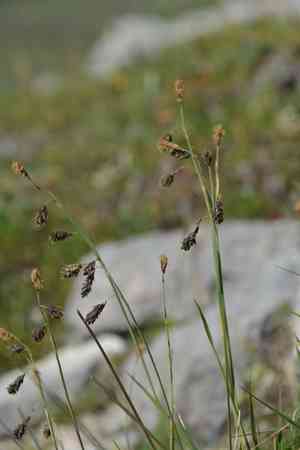
This perennial plant typically grows to a height of 10 to 25 cm. It features a short rhizome and produces short stolons. The stem varies from blunt to pointed and has a mildly triangular, papillose texture.
In This Article
Attributes of Darkbrown sedge
Lifespan
Perennial
Plant Type
Grass
Plant Height
10-50 cm
Spread
Not applicable
Leaf Color
Green
Flower Size
Small (typically under 1 cm)
Flower Color
Yellow Red Purple Green Brown Black
Images of Darkbrown sedge
Quickly Identify Darkbrown sedge
1
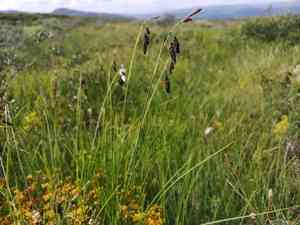
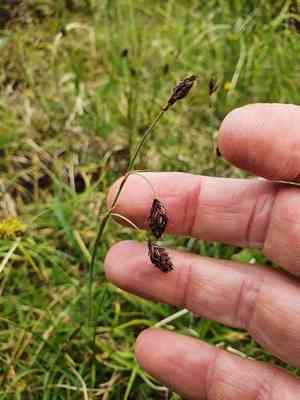
To identify Carex atrofusca, look for its dark brown to black spikes which usually have a darker appearance compared to other sedges. The leaves are narrow, grass-like, and can be slightly curled.
Scientific Classification of Darkbrown sedge
Phylum
Vascular plants
Class
Monocotyledons
Order
Poales
Family
Sedge
Genus
True sedges
Species
Darkbrown sedge
Planting and Growing of Darkbrown sedge
Care Difficulty
Moderate
Watering Schedule
Every 3 days
Sunlight Requirements
Partial sun
Sunshine Duration
6-10 hours
Ideal Temperature
50-68℉
Soil Type
Potting Mix, Peat Mix
Soil pH
6.5-7.5
Fertilizer Type
Balanced
Pruning Season
Spring, Summer
Pruning Area
Branches, Leaves
Pruning Frequency
2 times a year
Repotting Season
Spring
Pot Type
Plastic, Terracotta
 How to Water Darkbrown sedge?
For Carex atrofusca, consistent moisture is key, but it's important not to overdo it. Water until the topsoil feels moist—about 200 ml should suffice depending on the size of the pot. Ensure that excess water drains out completely to avoid waterlogging which can lead to root rot.
What are the symptoms of an underwatered Darkbrown sedge?
›
What should I do if my Darkbrown sedge is not getting enough water?
›
What are the symptoms of an overwatered Darkbrown sedge?
›
How to save an overwatered Darkbrown sedge?
›
 What Are the Sunlight Requirements for Darkbrown sedge?
Carex atrofusca thrives best in partial sun, receiving dappled sunlight throughout the day. This lighting condition supports proper photosynthesis and keeps the plant's foliage healthy and vibrant.
What is the best lighting condition for Carex atrofusca?
›
How can I achieve ideal lighting for Carex atrofusca?
›
What benefits does Carex atrofusca gain from ideal lighting?
›
 What Is the Ideal Temperature Range for Darkbrown sedge?
The ideal temperature range for Carex atrofusca is between 50°F and 68°F. This sedge species thrives in cooler climates, typically found in alpine meadows and mountainous regions. Providing a stable environment within this range promotes healthy growth and optimal plant development.
 What Soil is Best for Darkbrown sedge?
Carex atrofusca prefers soil that retains moisture well but is not waterlogged. Loamy and peaty soils are excellent as they retain moisture while allowing for adequate drainage. A nutrient-rich soil is essential for robust growth. Adjust soil composition with organic matter, like compost, to enhance nutrient levels for optimal plant development. Good aeration in the soil helps keep the roots healthy. Sandy loam provides a nice balance between structure and porosity, encouraging vigorous root systems.
 How to Fertilize Darkbrown sedge?
For Carex atrofusca, it is advisable to apply a balanced liquid fertilizer at half the recommended label strength. A typical dose could be mixing 5 ml of liquid fertilizer with 1 liter of water. This ensures the plant gets essential nutrients without overloading it.
 How to Prune Darkbrown sedge?
To prune Carex atrofusca, begin by cleaning your pruning shears with isopropyl alcohol to prevent the transmission of diseases. Remove any dead or damaged foliage near the base, cutting at a slight angle. Trim back any overgrown sections to maintain the plant's shape and encourage healthy new growth.
More About Pruning Techniques→
 How to Propagate Darkbrown sedge plant?
1
Start by selecting a well-draining soil mix. Fill seed trays with this mixture, ensuring it's free from clumps and debris. Moisten the soil lightly, but avoid making it too soggy as this can hinder seed germination.
2
Scatter seeds evenly onto the surface of the prepared soil in the trays. Lightly press them into the soil without covering them completely, as these seeds require light to germinate. Maintain consistent soil moisture by misting regularly.
3
Carefully use a sharp shovel to dig around the perimeter of the mature plant. Lift the plant gently and separate the clumps using your hands or a clean knife. Each clump should have a healthy root system before planting them back in the ground.
 How to Repot Darkbrown sedge plant?
1
Repot your Carex atrofusca when you notice roots coming out of the drainage holes, soil compacting, or a lack of new growth. Ideally, choose a time in spring when the plant begins to actively grow again, allowing it to acclimate well to its new home. Repotting at this time ensures the plant has the best chance to establish itself with minimal stress.
2
Select a pot that is 1-2 inches larger in diameter than the current one, with proper drainage holes to prevent waterlogging. A slightly bigger pot encourages healthy root expansion, crucial for plant vigor, while good drainage prevents root rot - a common issue if Carex atrofusca is kept in overly moist conditions.
3
Opt for a well-draining loamy soil that mimics the plant's natural habitat. This type of soil retains the right amount of moisture while allowing excess to drain away, thus preventing root rot and promoting healthy root development. The balance is key to thriving Carex atrofusca.



