How to Transplant Chinese ivy?
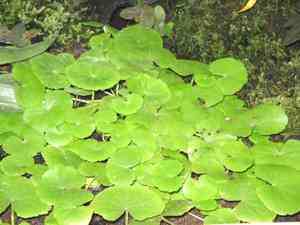
Relocating chinese ivy flourishes when performed after the last frost, amidst the mild temperatures of late spring. Select a location featuring damp, adequately draining earth. A helpful tip: guarantee steady hydration following transplantation for smooth adaptation.
What Preparations are Needed Before Transplanting Chinese Ivy?
What is the Ideal Time for Transplanting Chinese Ivy?
The optimal period for relocating chinese ivy is mid-spring, extending into the beginning of early summer. Choosing this season guarantees prime root establishment and development, thanks to mild temperatures and sufficient rainfall. You'll find that moving chinese ivy during this revitalizing time promotes robust growth, giving your plant the best chance to flourish. The stable growing conditions offer a welcoming environment, reducing transplant shock and facilitating a smooth transition to its new spot.
How Much Space Should You Leave Between Chinese Ivy Plants?
When preparing chinese ivy's new home for growth, aim to position each plant approximately 6-12 inches (15-30 cm) apart. This spacing will provide chinese ivy ample room to expand its foliage without feeling constrained.
What is the Best Soil Mix for Chinese Ivy Transplanting?
Before introducing chinese ivy to your garden, prepare a magical blend of well-draining loamy soil and incorporate an all-purpose, slow-release fertilizer to give chinese ivy a nutritional head start. This comfortable combination will make chinese ivy feel perfectly at home!
Where Should You Relocate Your Chinese Ivy?
Select a location for chinese ivy where the sun gently touches its leaves with filtered or partial shade. Avoid intense midday sun; a bit of shade will keep chinese ivy content and vibrant. Ideal for relaxing beneath the canopy on a sunny afternoon!
What Equipments Should You Prepare Before Transplantation Chinese Ivy?
Gardening Gloves
To safeguard your hands while handling soil and plants.
Shovel or Garden Trowel
For excavating the plant and preparing the new planting site.
Watering Can or Hose
For hydrating the plant before and after its relocation.
Pruners or Sharp Knife
For trimming any dead or damaged roots if necessary.
Wheelbarrow or Plant Cart
For moving the plant from one spot to another, if it's large.
Garden Fork
To assist in loosening the soil around the plant roots during removal.
Measuring Tape
To determine the correct depth and spacing for planting holes.
Mulch
To help maintain soil moisture and suppress weeds around the newly transplanted chinese ivy.
How Do You Remove Chinese Ivy from the Soil?
How Do You Remove Chinese Ivy from the Soil?
From Ground: First, water the chinese ivy plant to moisten the soil. Next, dig a wide trench around the plant using a shovel or spade, ensuring you go far enough out to avoid damaging the root ball. Use a garden fork to gently lift the plant from underneath and carefully ease it out of the ground.From Pot: Water the chinese ivy thoroughly to ensure the roots are hydrated. Turn the pot sideways and gently tap the bottom to loosen the plant. Hold the base of the plant and carefully slide it out, supporting the root ball.From Seedling Tray: Water the seedlings and allow excess water to drain. Use a pruner or a small stick to help lift the plant from the tray by pushing up from the bottom. Handle the seedling gently by the leaves, not the stem, to prevent damage.
Step-by-Step Guide for Transplanting Chinese Ivy
Prepare the New Site
Choose a new planting spot that complements nearby plants in both height and color.
Dig the Hole
Excavate a hole that is twice as wide and approximately the same depth as the root ball of your chinese ivy.
Plant Positioning
Carefully place the chinese ivy into the hole, keeping it upright and ensuring the top of the root ball is level with the surrounding soil.
Backfill the Hole
Gently refill the hole with soil, and lightly pat down the soil around the plant to eliminate air pockets.
Water Immediately
Thoroughly water the chinese ivy right after planting to settle the soil and hydrate the roots.
Support Structure
If the chinese ivy is tall or appears unstable, insert a stake next to the plant and loosely tie it to the stake for support.
How Do You Care For Chinese Ivy After Transplanting?
Mulching
Apply a layer of mulch around the base of chinese ivy, keeping it a few inches away from the stem to prevent rot.
Monitor Plant Health
Watch for signs of transplant shock, such as wilting or yellowing, which are normal. The plant should gradually recover and begin new growth.
Gradual Sun Exposure
If chinese ivy was previously in lower light conditions, gradually acclimate it to the new light levels by providing some shade during the hottest part of the day for the first few days.
Stake Adjustment
Periodically check the staking. Loosen or adjust the ties to prevent them from cutting into the plant stem as it grows.
Troubleshooting Common Issues with Chinese Ivy Transplantation.
How do I know when to transplant my chinese ivy?
The ideal time to transplant chinese ivy is during the mild period of mid-spring to early summer, allowing ample time for establishment.
What is the ideal spacing for chinese ivy after transplanting?
After transplanting, provide chinese ivy with a generous 6-12 inches (15-30 cm) of space between each plant to encourage healthy growth.
Why are my transplanted chinese ivy wilting?
Wilting after transplanting can be due to shock. Ensure gentle root handling and maintain soil moisture without overwatering.
How deep should I plant chinese ivy when transplanting?
The root ball of chinese ivy should be planted at its previous growing depth, avoiding burying the stem.
Can I transplant chinese ivy on a hot day?
Transplanting chinese ivy on a hot day can stress the plant. Aim for a cooler, overcast day to minimize transplant shock.
What soil prep is needed when transplanting chinese ivy?
Enrich the soil with compost or a balanced fertilizer, ensuring it's well-draining to support the health of chinese ivy.
How much should I water chinese ivy after transplanting?
Water chinese ivy thoroughly after transplanting to settle the soil around the roots, then keep consistently moist, not soggy.
Should I prune chinese ivy before transplanting?
Pruning chinese ivy before transplanting can direct the plant's energy towards root development. Remove any dead or damaged foliage.
How do I protect chinese ivy from transplant shock?
Minimize root disturbance, water well, and provide shade for the initial days after transplanting to alleviate shock in chinese ivy.
What signs indicate successful transplanting of chinese ivy?
Signs of success include new growth, vibrant foliage, and no wilting or yellowing in the weeks following transplant.



