How to Prune Chinese ivy?
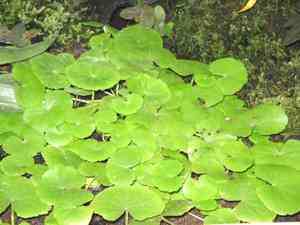
This water-dwelling flora is recognized for its intricate, lace-like foliage that drifts elegantly on the surface. Trimming entails shortening the elongated stalks to preserve a dense shape and foster robust development. Snip or sever the stems directly above a leaf joint, from which fresh sprouts can appear. The ideal period for pruning is throughout Spring, Summer, and Autumn, when chinese ivy is vigorously developing. Consistent trimming averts excessive growth, guaranteeing sufficient illumination and area for lower leaves, and can stimulate a more compact habit.
What Are the Benefits of Pruning Chinese Ivy?
What Are the Benefits of Pruning Chinese Ivy?
Trimming chinese ivy encourages robust development and maintains its desired form. It allows the plant to channel energy into producing abundant, vibrant leaves, ensuring it remains an appealing feature in aquatic or terrarium setups.
What Is the Best Time for Pruning Chinese Ivy?
What Is the Best Time for Pruning Chinese Ivy?
Trimming chinese ivy in Spring coincides with the start of its active growth period, stimulating new development and helping the plant keep its shape. Early Summer pruning can boost the plant's density as it continues to grow, while ensuring it has ample time to recover before colder months. Late Fall pruning is advantageous for removing any dead or overgrown foliage, preparing chinese ivy for dormancy and reducing the potential for disease. These seasons avoid disrupting blooming periods and ensure cuts heal quickly during optimal growth phases.
What Tools Do I Need to Prune Chinese Ivy?
Micro-Tip Pruning Snips
These snips are perfect for precise trimming and maintaining the delicate, fine leaves of chinese ivy. They enable controlled and accurate cuts without harming the rest of the plant.
Fine-Pruning Shears
Sharp fine-pruning shears are suitable for chinese ivy because they can make clean cuts on softer stems, which promotes healthier regrowth and lowers the risk of plant damage or disease.
Aquascaping Scissors
If chinese ivy is cultivated in an aquatic environment, which is common for this species, aquascaping scissors are recommended as they are designed for underwater trimming, causing minimal disruption to both the plant and the water environment.
How to Prune Chinese Ivy
Identification
Thoroughly examine chinese ivy to pinpoint diseased leaves, withered leaves, dead branches, and diseased branches that need trimming.
Sterilization
Sanitize your pruning tools with rubbing alcohol or a bleach solution to prevent the spread of diseases when trimming chinese ivy.
Removal
Carefully remove diseased and withered leaves from chinese ivy by snipping them at the base where they connect to the stem, using sharp scissors or pruning shears.
Branches
Trim dead and diseased branches from chinese ivy by cutting them back to a healthy section of the stem or the nearest main branch, ensuring clean cuts without tearing the plant tissue.
Cleanup
Properly dispose of the removed parts of chinese ivy to minimize the risk of disease spread, and clean the work area to maintain a healthy environment for chinese ivy.
Common Pruning Mistakes with Chinese Ivy
Over-Pruning
Removing too much foliage from chinese ivy can stress the plant, leading to stunted growth or even death.
Incorrect Tools
Using dull or dirty pruning tools can damage stems, potentially introducing disease to chinese ivy.
Tearing Stems
Improper technique, such as tearing or ripping stems, can injure chinese ivy and impede proper regrowth.
Pruning Healthy Growth
Cutting away healthy foliage without cause can limit chinese ivy's vigor and aesthetic appeal.
Ignoring Dead Material
Failure to remove dead or decaying matter can attract pests and disease to chinese ivy.
Common Pruning Tips for Chinese Ivy
Sharp Tools
Always use sharp, clean pruning shears or scissors to make clean cuts on chinese ivy, which encourages rapid healing.
Selective Pruning
Focus on thinning out overly dense areas to improve air circulation and light penetration for chinese ivy.
Regular Inspection
Routinely check chinese ivy for dead or yellowing leaves and snip them off at the base to maintain plant health.
Avoid Main Stem Cuts
Refrain from cutting the main stem of chinese ivy unless it is diseased, as it can severely hinder growth.
Soft Pruning
Perform light pruning to shape chinese ivy or control its size, rather than heavy pruning that can shock the plant.



