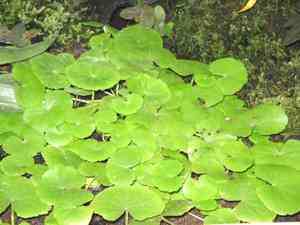
Chinese ivy(Cardamine lyrata)

Chinese ivy (Cardamine lyrata)

Also known as: Watercress, Japanese Cress

Cardamine lyrata, also known as Japanese Cress, is an aquatic plant popular in aquariums. Native to marshy regions of eastern Asia, including China, Siberia, Korea, and Japan, it blooms from spring to summer and produces seeds in the fall. The plant has self-fertile, insect-pollinated flowers.

For optimal cultivation in an aquarium:
1. **Temperature**: Maintain water temperatures between 59-77°F (15-25°C), though it can tolerate up to 82°F (28°C) in ponds.
2. **Light**: Provide strong lighting to support its rapid growth.
3. **Water Flow**: Ensure a supply of cool, slow-moving water.
4. **Substrate**: Use nutrient-rich substrates like fine gravel or sand.
5. **CO2**: While not essential, higher CO2 levels can enhance growth.
6. **Pruning**: Regular trimming helps maintain a bushy and attractive appearance.

This plant propagates easily through cuttings. Be mindful that some fish may nibble on its leaves.

Attributes of Chinese ivy

Lifespan
Perennial
Plant Type
Herb
Plant Height
70 cm
Spread
15 cm to 30 cm
Leaf Color
Green
Flower Size
Small, about 0.5-1 cm
Flower Color
White

ForwardPlant - Identify plants with a snap

Identify and diagnose plants, get toxicity alerts, and explore safety guides for all types of fungi.

Try for Free

Images of Chinese ivy

Chinese ivy(Cardamine lyrata)

Quickly Identify Chinese ivy

1
Cardamine lyrata can be identified by its delicate, finely divided leaves that are typically pale green, and its creeping or trailing growth habit. It thrives in moist to fully submerged conditions.

Scientific Classification of Chinese ivy

Phylum
Vascular plants
Class
Dicotyledons
Order
Mustards, capers, and allies
Family
Cruciferae
Genus
Bittercresses
Species
Chinese ivy

Planting and Growing of Chinese ivy

Care Difficulty
Easy
Watering Schedule
Every 12 days
Sunlight Requirements
Partial sun
Sunshine Duration
4-8 hours
Ideal Temperature
68-77℉
Soil Type
Potting Mix, Peat Mix
Soil pH
6.5-7.5
Fertilizer Type
Balanced
Pruning Season
Spring, Summer
Pruning Area
Branches, Leaves
Pruning Frequency
2 times a year
Repotting Season
Spring
Pot Type
Plastic, Ceramic

water icon How to Water Chinese ivy?

Cardamine lyrata, also known as 'Chinese Ivy,' thrives in moist environments. It requires around 200ml of water per session, ensuring that the soil remains consistently damp but not waterlogged. To achieve this, pour water until it begins to drain from the bottom of the pot, ensuring the roots receive adequate moisture without sitting in excess water.
What are the symptoms of an underwatered Chinese ivy?
What should I do if my Chinese ivy is not getting enough water?
What are the symptoms of an overwatered Chinese ivy?
How to save an overwatered Chinese ivy?

sunlight icon What Are the Sunlight Requirements for Chinese ivy?

Sunlight Requirements: Partial sun, Full shade
Duration of light: 3 to 6 hours
Cardamine lyrata thrives under partial sun to full shade conditions. Ideal lighting fosters healthy growth, robust leaf development, and overall plant vitality, making it a desirable addition to shaded or indirect-lit environments.
How much light does Cardamine lyrata need?
Why is indirect light important for this plant?
What benefits does ideal lighting bring?

temperature icon What Is the Ideal Temperature Range for Chinese ivy?

Ideal Temperature: 68 ~ 77℉
The ideal temperature range for Cardamine lyrata, also known as Japanese cress or watercress, is between 68°F and 77°F. Maintaining this range ensures optimal growth and health, supporting its lush, vibrant foliage. Consistent temperatures within this range promote robust photosynthesis and nutrient uptake, crucial for a healthy plant development.

soil icon What Soil is Best for Chinese ivy?

Soil type: Loam, Sandy loam, Acidic soil, Peat soil
Soil PH: 6.5 ~ 7.5
Cardamine lyrata thrives in soils that can retain moisture well without becoming waterlogged. Loamy and peat soils are ideal because they have excellent water retention properties. This helps the plant maintain hydration and promotes vigorous growth. A nutrient-rich soil is key for the healthy development of Cardamine lyrata. Loam and sandy loam soils typically contain a balance of nutrients and organic matter, which fosters healthy foliage and root development. While moisture is important, good drainage is equally crucial to prevent root rot. Sandy loam, with its excellent drainage capabilities, ensures that excess water flows away quickly, protecting the plant from water stress and disease.

fertilize icon How to Fertilize Chinese ivy?

Fertilizer type: Balanced
For optimal growth, Cardamine lyrata should be fertilized with a balanced all-purpose fertilizer at a rate of half the recommended amount, as it's a plant that doesn’t thrive in nutrient-rich environments.

prune icon How to Prune Chinese ivy?

Pruning Time: Spring, Autumn
Begin by examining the plant for any dead or discolored leaves, using sterilized scissors or shears to carefully trim these away to promote better airflow. Next, focus on shaping the plant by trimming overly long or unruly stems back to the desired size, ensuring to cut just above a leaf node for the best regrowth. Start by sanitizing your gardening tools to prevent contamination. 2. Identify leaves and stems that are dead or dying, and remove them gently. 3. Cut back any long stems slightly above a leaf node to maintain the desired shape. 4. Dispose of trimmed foliage properly to prevent disease. 5. Water the plant post-pruning to help it recover quickly. More About Pruning Techniques

propagate icon How to Propagate Chinese ivy plant?

Propagate Time: Spring, Early spring, Late spring
1
Choose a seed tray or container with good drainage. Fill it with a suitable growing medium, such as a mix of peat and sand, and water it lightly before sowing seeds on the surface.
2
Select healthy stems of the plant and use sterilized pruning shears to cut 4 to 6 inches long segments. Remove leaves from the lower half of the cutting before planting them in the growing medium.
3
Gently remove the plant from its container and shake off excess soil. Use a clean, sharp knife to divide the root clump into smaller sections, ensuring each has roots attached. Plant divisions in separate pots.
More About Propagating Techniques

repot icon How to Repot Chinese ivy plant?

Repotting frequency: Annually or as needed
1
Cardamine lyrata should be repotted when its roots start to circle the pot or when the plant shows signs of being root-bound, such as a decrease in growth or frequent wilting. These are clear signals that the plant requires more space to thrive.
2
Select a pot that is 1-2 inches larger in diameter than the current one. It should have good drainage to prevent waterlogging. A slightly larger pot reduces stress by providing room for growth, ensuring healthy development of the plant.
3
Opt for a well-draining, nutrient-rich potting mix to support Cardamine lyrata's growth. This type of soil allows optimal root aeration and moisture retention, vital for the plant's health and vigor.

ForwardPlant - Identify plants with a snap

Find the best spots for them to optimize their health, simply using your phone.

Try for Free

