How to Transplant Peashrub?
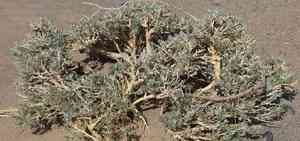
The most suitable periods for relocating peashrub are in the initial part of spring and from the beginning of summer through its conclusion, owing to advantageous growing environments. Select bright, adequately drained spots for the best outcomes. Evaluate the need for wind shielding if the chosen area is unprotected.
What Preparations are Needed Before Transplanting Peashrub?
What is the Ideal Time for Transplanting Peashrub?
The optimal period for relocating peashrub is from early to mid-spring. This timeframe allows the plant's root system to become established prior to the onset of summer heat. Moving it during this season encourages vigorous development and minimizes transplant shock. Furthermore, spring provides suitable moisture and temperature conditions, boosting the peashrub's survival rate.
How Much Space Should You Leave Between Peashrub Plants?
When relocating peashrub, ensure a spacing of 10 to 16 feet (3 to 5 meters) between plants to provide ample room for growth and proper air circulation.
What is the Best Soil Mix for Peashrub Transplanting?
Prepare soil that drains well and is loamy, enriched with compost or a balanced base fertilizer to supply peashrub with the necessary nutrients for flourishing. Confirm the soil's pH is between 6.0 and 7.5.
Where Should You Relocate Your Peashrub?
Select a sunny location for transplanting peashrub, as this plant thrives in full sunlight. Aim for a minimum of 6-8 hours of direct sun exposure daily.
What Equipments Should You Prepare Before Transplantation Peashrub?
Gardening Gloves
To safeguard your hands while handling soil and the plant.
Shovel or Spade
For excavating the planting hole and extracting the plant from its initial spot.
Trowel
Used for smaller, precise digging tasks and separating roots.
Pruning Shears
To trim any damaged roots or branches.
Garden Hose or Watering Can
For hydrating the plant before and after its relocation.
Mulch
To aid in retaining moisture around the newly transplanted plant.
Garden Fork
To loosen the soil around the plant if required.
Bucket
To transport the plant when necessary.
How Do You Remove Peashrub from the Soil?
How Do You Remove Peashrub from the Soil?
From Ground: First, moisten the peashrub plant to soften the soil. Next, excavate a wide trench around the plant using a shovel or spade, ensuring the plant's root ball remains intact. Carefully maneuver the spade beneath the root ball to lift the plant from its original position.From Pot: Gently tap the pot's sides to loosen the soil. Tilt the pot and carefully ease the plant out by tapping and squeezing the pot while securely holding the stem's base. If the plant is stuck, run a trowel along the pot's inner edge to free the root ball.From Seedling Tray: Water the seedlings to make the soil easier to manage. Using a trowel or your fingers, carefully scoop out each seedling, striving to keep as much of the root system intact as possible. Handle seedlings by their leaves to prevent harm to their delicate stems.
Step-by-Step Guide for Transplanting Peashrub
Hole Preparation
Excavate a hole in the new site that is twice as wide and the same depth as the peashrub plant's root ball. This provides ample room for the roots to expand in their new environment.
Planting
Position the peashrub in the hole, ensuring the top of the root ball is level with the surrounding ground. Backfill the hole with soil, gently pressing down to eliminate any air pockets.
Watering
Immediately water the peashrub thoroughly to help the soil settle around its roots. Ensure the water penetrates to the deepest parts of the root ball.
Mulching
Apply a layer of mulch around the base of the peashrub to conserve moisture and reduce weed competition, but keep it a few inches away from the stem to prevent rot.
How Do You Care For Peashrub After Transplanting?
Watering
Maintain consistent moisture in the soil around the peashrub, avoiding sogginess, for the initial weeks post-transplant to encourage robust root development.
Monitoring
Regularly inspect the peashrub for indications of transplant shock, such as wilting, yellowing foliage, or stunted growth. Adjust care as needed.
Protection
Shield the peashrub from harsh weather conditions like frost or intense heat by providing temporary shade or windbreaks if necessary.
Pruning
If required, trim back some of the growth to alleviate stress on the plant and promote a stronger root system.
Troubleshooting Common Issues with Peashrub Transplantation.
When should I transplant peashrub for optimal growth?
Relocate peashrub in early spring, or from early to late summer for the best outcomes.
What spacing should I maintain when transplanting peashrub?
Space your peashrub plants 3-5 meters (10-16 feet) apart to ensure healthy development.
How do I prepare the soil before transplanting peashrub?
Ensure the soil is well-drained, loose, and enriched with compost to support peashrub's growth.
How deep should the hole be for transplanting peashrub?
Dig a hole twice the width and equal depth of the root ball for peashrub.
What is the best way to handle peashrub's roots during transplanting?
Handle peashrub's roots with care, preventing damage and ensuring they are spread out in the hole.
How do I water peashrub right after transplanting?
Water peashrub thoroughly immediately after transplanting to help the soil settle around its roots.
Should I mulch around peashrub after transplanting?
Apply a 2-3 inch (5-7 cm) layer of mulch around peashrub, keeping it away from the trunk.
How do I protect peashrub from transplant shock?
Minimize root disturbance and ensure consistent watering to reduce transplant shock for peashrub.
Should peashrub be pruned after transplanting?
Lightly prune any damaged or excessively long roots but avoid heavy pruning of peashrub immediately after transplanting.
What are common signs of stress in transplanted peashrub?
Wilting, yellowing leaves, or slow growth indicate stress; ensure proper watering and nutrient supply.



