How to Prune Peashrub?
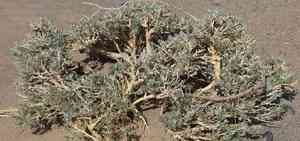
Caragana arborescens, a resilient shrub frequently employed for hedges and decorative displays, flourishes when properly trimmed. The most suitable periods for pruning are late winter or early spring, prior to the emergence of new shoots. Consistently thinning out mature branches and reducing the upper sections improves light exposure and air movement, fostering more robust development. Meticulous shaping preserves its visual charm and prevents excessive expansion. Pruning not only stimulates the production of blossoms but also aids in disease control by eliminating potentially diseased or compromised branches.
What Are the Benefits of Pruning Peashrub?
What Are the Benefits of Pruning Peashrub?
Trimming peashrub stimulates robust development and helps preserve its form. Regular cutting fosters a denser, more vital shrub, allowing for improved sunlight penetration and air movement, crucial for optimal growth and blooming.
What Is the Best Time for Pruning Peashrub?
What Is the Best Time for Pruning Peashrub?
Pruning peashrub in late winter or early spring is ideal as it coincides with the plant's dormant phase, just before new growth emerges. This timing minimizes stress on peashrub, encourages quick wound recovery, and prepares the plant for vigorous spring development. Furthermore, removing dead or diseased branches during this period helps prevent pathogen spread and promotes a healthy, well-structured form that supports flowering and fruiting in subsequent months.
What Tools Do I Need to Prune Peashrub?
Hand Pruners
Suitable for cutting small branches and twigs of peashrub. They allow for precise cuts, which is important to ensure healthy plant growth and shape maintenance.
Lopping Shears
Ideal for trimming thicker branches that hand pruners cannot handle. The long handles provide leverage to make cutting easier, which is essential for dealing with the denser parts of peashrub.
Pruning Saw
Necessary for removing larger branches. The saw can handle the thicker and tougher branches typical of mature specimens of peashrub, providing clean cuts that enable the plant to heal quickly and prevent disease.
Hedge Shears
Useful for shaping and maintaining the dense foliage of peashrub, ensuring an even and aesthetically pleasing appearance.
Pole Pruner
Helpful for reaching higher branches without the need for a ladder. This is particularly beneficial for taller specimens of peashrub to maintain a controlled shape and size.
How to Prune Peashrub
Identify and prepare
Locate all diseased and withered leaves, and any dead or unhealthy branches on peashrub. These will be your primary focus for trimming. Ensure your pruning shears or scissors are clean and sharp to prevent cut infections.
Clean cut
Make precise cuts to remove the diseased and withered leaves. Cut close to the base of each leaf, being careful not to harm the stems or adjacent healthy foliage.
Prune branches
For dead and diseased branches, cut back to healthy wood. If the entire branch is affected, prune it at its base, near the trunk. Use a saw for thicker branches and shears for smaller ones.
Disinfect
After each cut, especially when moving between diseased and healthy branches, sanitize your tools. This prevents the spread of disease. Use a solution of 1 part bleach to 9 parts water to clean your tools.
Cleanup
Collect all pruned material and dispose of it away from peashrub and other healthy plants to avoid re-infection or the spread of disease.
Common Pruning Mistakes with Peashrub
Over-pruning
Removing too much of peashrub's foliage can stress the plant, reducing its vitality and resilience. It's crucial to limit pruning to no more than one-third of the total growth to maintain a healthy plant structure.
Improper cut placement
Cuts made too far from the node can lead to unnecessary wounds and potential entry points for disease. Ensure cuts are clean and close to nodes to promote effective healing and regrowth.
Neglecting tool hygiene
Using dirty or dull tools can introduce pathogens to peashrub and cause jagged cuts that heal poorly. Always use sharp, clean pruning tools to make precise cuts.
Unnecessary pruning
Sometimes, especially among new gardeners, there's a tendency to prune without a clear objective. Understand the natural form of peashrub and only prune when necessary to maintain plant health and desired shape.
Common Pruning Tips for Peashrub
Understanding natural shape
Peashrub possesses a naturally irregular shape. When pruning, aim to enhance this form rather than force it into an unnatural shape, which could harm its growth and aesthetic appeal.
Timing of cuts
While the module excludes the best season for pruning, it's worth noting that the timing of pruning cuts should consider the plant's growth cycle for optimal health and flowering.
Selective thinning
Focus on removing only the most necessary branches, such as dead, diseased, or crossing limbs. This targeted approach helps improve light penetration and air circulation within the canopy, supporting healthier growth.
Encouraging new growth
Prune strategically to promote new growth where it is most desirable. Target older, less productive branches to rejuvenate peashrub and maintain vigour.



