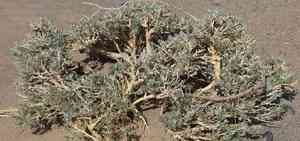
Peashrub (Caragana korshinskii)
Also known as: Korshinsk peashrub
Peashrub, particularly Siberian peashrub (Caragana arborescens), is an adaptable, deciduous shrub with slender branches and vibrant green foliage. Its notable drought resistance allows it to flourish in arid regions, with deep roots that tap into underground moisture. In spring, it produces yellow flowers that develop into seed-filled pods, aiding its survival in tough climates. Its ability to fix nitrogen, improve soil quality, and prevent erosion makes it a valuable asset in reforestation projects, especially in degraded or challenging environments.
In This Article
Attributes of Peashrub
Lifespan
Perennial
Plant Type
Shrub
Plant Height
1-3 meters (3-10 feet)
Spread
1.5-2 meters (5-6.5 feet)
Leaf Color
Green
Flower Size
1-2 cm
Flower Color
Yellow
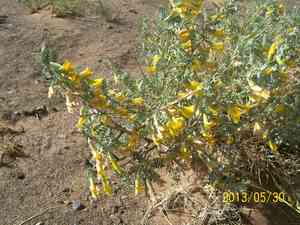
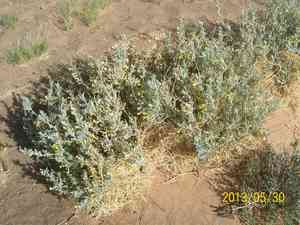
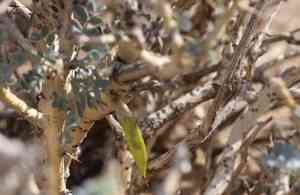
Images of Peashrub
Quickly Identify Peashrub
1
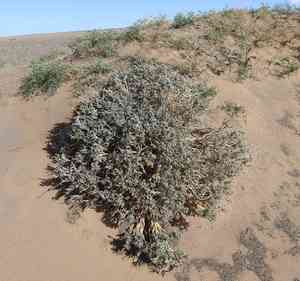
Caragana korshinskii can be identified by its pinnately compound leaves with small leaflets, yellow pea-like flowers, and pod-shaped fruit. The shrub has a bushy appearance with a branched structure.
Scientific Classification of Peashrub
Phylum
Vascular plants
Class
Dicotyledons
Order
Fabales
Family
Legume
Genus
Peashrubs
Species
Peashrub
Planting and Growing of Peashrub
Care Difficulty
Easy
Watering Schedule
Every day
Sunlight Requirements
Full sun
Sunshine Duration
4-6 hours
Ideal Temperature
68-77℉
Soil Type
Potting Mix, Peat Mix
Soil pH
6.5-7.5
Fertilizer Type
Balanced
Pruning Season
Spring, Summer
Pruning Area
Branches, Leaves
Pruning Frequency
2 times a year
Repotting Season
Spring
Pot Type
Plastic, Ceramic
 How to Water Peashrub?
Caragana korshinskii is a drought-tolerant plant, often found in arid regions. It appreciates deep watering once a month, allowing the roots to access water deep in the soil. During watering, ensure about 500 ml of water is applied, soaking the root zone thoroughly but avoiding waterlogging.
What are the symptoms of an underwatered Peashrub?
›
What should I do if my Peashrub is not getting enough water?
›
What are the symptoms of an overwatered Peashrub?
›
How to save an overwatered Peashrub?
›
 What Are the Sunlight Requirements for Peashrub?
Caragana korshinskii thrives with 6 to 8 hours of full to partial sunlight daily. Optimal sunlight enhances photosynthesis, resulting in vigorous growth, abundant flowering, and improved disease resistance.
What are ideal lighting conditions?
›
How can you ensure ideal lighting?
›
What are the benefits of ideal lighting?
›
 What Is the Ideal Temperature Range for Peashrub?
Caragana korshinskii thrives best in temperatures ranging from 68°F to 77°F. This range ensures optimal growth conditions, allowing the plant to photosynthesize efficiently and maintain robust health.
 What Soil is Best for Peashrub?
Caragana korshinskii thrives in well-drained soil, which prevents water from stagnating around its roots. This not only prevents root rot but also aids in healthy growth and development. This plant prefers moderately fertile soils, meaning it does not require high nutrient levels to grow well. This characteristic makes it easy to grow in less fertile areas, reducing the need for fertilization. The shrub is capable of adapting to soils with a pH from neutral to slightly alkaline, providing flexibility in choosing planting locations suitable for its growth.
 How to Fertilize Peashrub?
Caragana korshinskii, also known as the drought-resistant pea shrub, requires a balanced approach to fertilization to thrive. Keep in mind that this plant does not need excessive nutrients, so a balanced fertilizer with NPK values around 10-10-10 is suitable. Each application should not exceed 20 grams per square meter to prevent nutrient overload.
 How to Prune Peashrub?
Start by removing any dead, diseased, or broken branches, as these can harbor pests and diseases. Then, focus on thinning out crowded areas to improve air circulation. Always cut back to a lateral branch or bud, and make clean cuts at a slight angle to prevent water accumulation on the cut surface. Caragana korshinskii tends to grow with a natural form, but gentle shaping can enhance its appearance. Trim back branches to desirable shapes, ensuring to maintain an open structure for good airflow. Avoid over-pruning, which can stress the plant and stimulate excessive weak growth.
More About Pruning Techniques→
 How to Propagate Peashrub plant?
1
Choose mature and healthy seeds to ensure successful propagation. Avoid damaged or discolored seeds, as they are less likely to germinate effectively.
2
Select a healthy branch from the parent plant and cut a piece about 10-15 cm long. Remove the leaves from the lower half of the cutting to minimize water loss and prepare for rooting.
3
Plant seeds or cuttings in well-draining soil. Ensure the medium remains moist but not waterlogged. Place in a warm, sunny location to facilitate growth.
 How to Repot Peashrub plant?
1
Look for signs such as roots growing out of the pot's drainage holes or the soil drying out quickly after watering. These indicate that Caragana korshinskii has outgrown its pot. Repotting in spring or autumn ensures milder temperatures and less stress on the plant.
2
Select a pot that's 1-2 inches larger in diameter than the current one, ensuring it has adequate drainage holes. A slightly larger pot promotes healthy root growth without overwhelming the plant, while good drainage prevents root rot.
3
Opt for well-drained loamy soil, which provides balanced nutrients and proper moisture retention. Such soil is ideal for Caragana korshinskii, preventing water logging and providing roots with the aeration they need to thrive.



