How to Transplant Maraca amarilla?
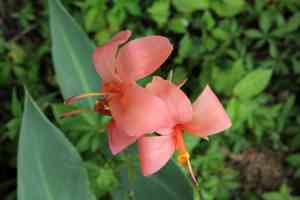
Relocate maraca amarilla when the late spring warmth embraces the ground, guaranteeing a period conducive to development. Select locations bathed in sunlight with damp earth. A helpful suggestion: enriching the substrate ensures a flourishing beginning.
What Preparations are Needed Before Transplanting Maraca Amarilla?
What is the Ideal Time for Transplanting Maraca Amarilla?
The optimal period for moving maraca amarilla is when late spring's warmth transitions into early summer's new growth. This timing allows maraca amarilla's root system to firmly establish in moderate soil temperatures, setting the stage for strong development. Placing maraca amarilla during this gentle seasonal shift accommodates its preference for mild climates, promoting vitality amidst your garden's emerging life. Choosing this transplant window ensures maraca amarilla will thrive, reflecting the careful planning of any gardening enthusiast.
How Much Space Should You Leave Between Maraca Amarilla Plants?
To provide maraca amarilla ample room for development, aim to position your plants approximately 2-3 feet (60-91 cm) apart. This spacing ensures they have sufficient area to flourish without competing for resources. Happy transplanting!
What is the Best Soil Mix for Maraca Amarilla Transplanting?
For maraca amarilla, a rich, well-draining soil mixture is perfect. Prior to transplanting, enrich the area with a phosphorus-rich base fertilizer to support root growth. Remember, healthy soil leads to a healthy plant!
Where Should You Relocate Your Maraca Amarilla?
Maraca amarilla thrives in sunlight! Select a spot that receives full sun for most of the day. If your garden has partial shade, ensure it gets at least 6 hours of direct sunlight. A sunny location will guarantee your maraca amarilla flourishes!
What Equipments Should You Prepare Before Transplantation Maraca Amarilla?
Gardening Gloves
To safeguard your hands while handling soil and the maraca amarilla plant.
Shovel/Spade
Useful for excavating holes and extracting the maraca amarilla plant from the ground.
Gardening Trowel
A small hand tool that simplifies removing the plant from a pot or seedling tray.
Watering Can
To hydrate the plant before and after transplant/removal.
Garden Fork
Helps loosen stubborn roots without harming the plant.
Wheelbarrow or Plastic Tray
For moving the plant without causing damage.
How Do You Remove Maraca Amarilla from the Soil?
How Do You Remove Maraca Amarilla from the Soil?
From Ground: Start by watering the maraca amarilla plant to moisten the soil. Dig a wide trench around it using a spade or shovel, being careful not to harm the root ball. Gently insert the spade or fork beneath the root ball to begin lifting the plant from its original spot. Once free, place it on a wheelbarrow or plastic tray to prevent damage during transport.From Pot: Pour some water into the pot and wait briefly. Hold the base of the maraca amarilla plant stem and tilt the pot sideways, gently tapping it to loosen the soil and roots. Use a gardening trowel if the plant remains stuck. Once the plant is out, be cautious not to damage the root ball.From Seedling Tray: Ensure the seedling is large enough for transplanting. Typically, it should have at least two true leaves. Water the tray, then carefully remove the maraca amarilla plant by holding a leaf, never the stem. Use a spoon, if necessary, to extract the entire seedling along with its root ball.
Step-by-Step Guide for Transplanting Maraca Amarilla
Preparation
Prepare the new location where maraca amarilla will be transplanted. Ensure it is free of weeds and cleared.
Digging
Excavate a hole roughly twice the size of the maraca amarilla root ball using your shovel or spade.
Placing the Plant
Lower the maraca amarilla plant into the hole, ensuring the top of the root ball is level with the soil surface. Fill half the hole with soil and pour water into the hole. This will eliminate any air pockets.
Final Touches
Fill the remaining portion of the hole with soil and gently pat it down. Water the plant again until the soil fully settles.
Labeling
Consider placing a marker or label near the transplant site to help you recall the plant's location, especially in larger gardens.
How Do You Care For Maraca Amarilla After Transplanting?
Watering
Keep the soil around the maraca amarilla consistently damp, but not waterlogged, for the initial few weeks post-transplant. This aids in establishing strong roots.
Monitoring
Observe the plant closely for several weeks. Watch for wilting, drooping, or discoloration, which could signal transplant shock.
Pruning
If the maraca amarilla plant appears stressed, consider gently trimming back some foliage. This reduces the amount of tissue the plant's roots need to support.
Protecting
In colder regions, you might want to shield your newly transplanted maraca amarilla with a layer of mulch, which can insulate against cold and help retain soil moisture.
Troubleshooting Common Issues with Maraca Amarilla Transplantation.
When is the optimal time to transplant maraca amarilla?
The period from late summer to early fall (S3-S4) is ideal for transplanting maraca amarilla. Enjoy your gardening!
What's the recommended spacing for transplanting maraca amarilla?
For robust and thriving growth, plant maraca amarilla at intervals of 2-3 feet (60-90 cm). This ensures adequate space and nutrients.
What to do if maraca amarilla shows signs of wilting after transplanting?
Wilting may indicate transplant shock. Water generously but avoid over-saturating. Ensure it's situated in a sunny location.
How to prepare the soil for transplanting maraca amarilla?
Enrich the soil with compost, ensuring it drains well. Maraca amarilla prefers slightly acidic soil with a pH of 6.0 - 6.5.
What if the leaves of maraca amarilla turn yellow after transplanting?
Yellow leaves might signal over-watering or a nutrient deficiency. Review your watering schedule and add a balanced fertilizer, if necessary.
What are the signs of a successful transplant of maraca amarilla?
Maraca amarilla that has successfully transplanted exhibits vigorous growth, vibrant green leaves, and abundant flowers. Trust your gardening instincts!
Is it necessary to prune maraca amarilla before transplanting?
Absolutely! Pruning helps maraca amarilla prioritize root development over maintaining excessive foliage. Remember, healthy roots lead to a healthy plant.
Will maraca amarilla transplant successfully across all types of containers?
While maraca amarilla generally adapts well, a clay or ceramic container with drainage holes will promote better health and growth.
How often should I water maraca amarilla after transplanting?
Water maraca amarilla thoroughly after transplanting, then keep the soil consistently moist. Note, excessive moisture can lead to root rot.
What temperature conditions does maraca amarilla require after transplantation?
Maraca amarilla thrives in a moderate environment. Aim for temperatures around 70-85°F (21-29°C) for optimal growth post-transplantation.



