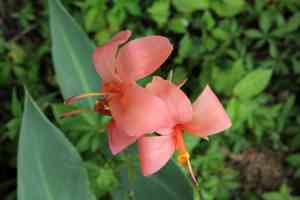
Maraca amarilla (Canna glauca)
Also known as: Spiked Canna, Purple Canna
Canna glauca, originating from the wetlands of tropical America and now found in parts of Asia, flourishes in full sunlight and cannot tolerate shade. It produces striking flower spikes in summer, showcasing colors like red, salmon pink, yellow, or burnt orange on tall, sturdy stems. For optimal growth, this plant requires consistently moist soil and does well near water sources.
In This Article
Attributes of Maraca amarilla
Lifespan
Perennial
Plant Type
Herb
Plant Height
1.5 m
Spread
60 cm to 90 cm
Leaf Color
Green
Flower Size
8 cm to 15 cm
Flower Color
Yellow Pink Red Orange Burgundy Gold
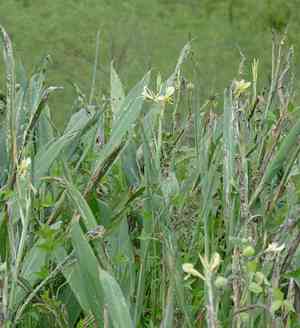
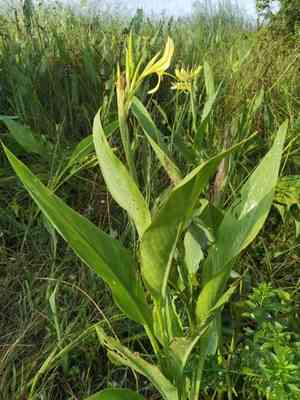
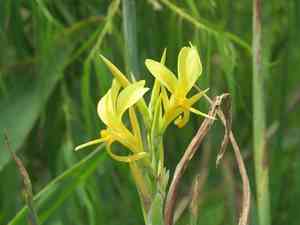
Images of Maraca amarilla
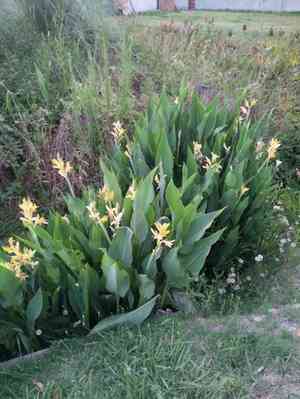
Quickly Identify Maraca amarilla
1
Tall stems exceeding 2 feet (60 cm) with vivid red, yellow, or salmon pink flowers.
2
Paddle-shaped, blue-green leaves measuring 28-70 cm (11-28 inches) in length.
3
Distinctive 3-parted capsules, 0.8 - 2 inches long (2 - 5 cm), with wart-like patterns.
4
Erect stems, 3-6 feet (90-180 cm) tall, with minimal branching and smooth texture.
5
Petals resembling stamens, 7-10 cm (2.8-4 inches) long, in raceme inflorescence.
Scientific Classification of Maraca amarilla
Phylum
Vascular plants
Class
Monocotyledons
Order
Zingiberales
Family
Canna
Genus
Canna lilies
Species
Maraca amarilla
Planting and Growing of Maraca amarilla
Care Difficulty
Easy
Watering Schedule
Every 8 days
Sunlight Requirements
Full sun
Sunshine Duration
6-10 hours
Ideal Temperature
68-86℉
Soil Type
Potting Mix, Peat Mix
Soil pH
6.5-7.5
Fertilizer Type
Balanced
Pruning Season
Spring, Summer
Pruning Area
Branches, Leaves
Pruning Frequency
2 times a year
Repotting Season
Spring
Pot Type
Plastic, Ceramic
 How to Water Maraca amarilla?
Canna glauca requires a generous amount of water to thrive. Ideally, around 500 milliliters should be provided per watering session, ensuring that the soil is fully saturated but not waterlogged. This amount supports their growth, especially during warm months.
What are the symptoms of an underwatered Maraca amarilla?
›
What should I do if my Maraca amarilla is not getting enough water?
›
What are the symptoms of an overwatered Maraca amarilla?
›
How to save an overwatered Maraca amarilla?
›
 What Are the Sunlight Requirements for Maraca amarilla?
Canna glauca thrives best in full to partial sun environments, requiring six to eight hours of sunlight daily. This range supports the plant in maintaining robust growth and maximized flowering. Ideal light ensures it has adequate energy for lush foliage and prolonged bloom periods throughout its growth cycle.
More About Sunlight Requirements Techniques→
What is the ideal lighting condition for Canna glauca?
›
How can you achieve ideal lighting for Canna glauca?
›
What happens if Canna glauca receives its ideal lighting?
›
 What Is the Ideal Temperature Range for Maraca amarilla?
Canna glauca thrives best within a temperature range of 68°F to 86°F. This range mimics its natural habitat, offering ample warmth for vigorous growth and flowering. Maintaining these temperatures ensures that the plant can perform essential physiological processes efficiently, leading to lush foliage and vibrant blooms.
 What Soil is Best for Maraca amarilla?
Canna glauca thrives in soil rich in organic matter, which offers essential nutrients for vigorous growth and vibrant blooms. Such soil promotes robust root development, ensuring the plant's overall health. This plant requires well-draining soil to prevent waterlogging, reducing the risk of root rot. Proper drainage ensures excess water flows away swiftly, maintaining optimal moisture levels for the plant's welfare. Canna glauca prefers soil that maintains constant moisture without becoming waterlogged. This consistency supports steady growth and abundant flowering, crucial for the plant's aesthetic appeal.
 How to Fertilize Maraca amarilla?
Canna glauca prefers a balanced approach when it comes to fertilization. Depending on the nutrient concentration of your fertilizer, aim to apply about half the recommended rate specified on the package for liquid fertilizers, while for solid fertilizers, use them sparingly as they release nutrients slowly.
 How to Prune Maraca amarilla?
Begin by identifying dead or damaged leaves and flower stalks. Use your shears to cut them back to the base of the plant. This step ensures that the plant focuses its energy on healthy growth rather than trying to sustain compromised leaves or flowers. Trim back excess growth to maintain the desired shape and size of your Canna glauca. This is particularly important in garden environments where space may be limited. Make your cuts above a leaf node to encourage a fuller growth. After initial blooming, cut back flowering stalks to encourage a second round of blooms. This not only improves the plant's appearance but also extends the flowering season. Target stems that have already bloomed, ensuring a neat and tidy appearance.
More About Pruning Techniques→
 How to Propagate Maraca amarilla plant?
1
To propagate Canna glauca by seeds, start by soaking seeds in warm water for 24 hours to soften the hard seed coat. This treatment accelerates germination. After soaking, plant the seeds in seed trays filled with well-draining soil.
2
For division propagation, wait until early summer when the plant is actively growing. Use a spade to dig around the plant and carefully lift the clump. Gently separate rhizomes, ensuring each division has at least one growth bud before replanting them.
3
After planting, water the soil consistently to maintain moisture but avoid overwatering. Keep the newly planted seeds or divisions in a warm, bright location, avoiding direct sunlight until they are established and show new growth.
 How to Repot Maraca amarilla plant?
1
Knowing when to repot Canna glauca is key. Look for signs like roots growing out of the drainage holes or when the plant's growth significantly slows down. These cues indicate that the plant needs more space to thrive, and it's time for a fresh start in a larger container.
2
When selecting a pot for Canna glauca, opt for a container that's one size larger than the current one. Ensure it has adequate drainage holes to prevent waterlogging, which can lead to root rot. A slightly larger pot allows the roots room to expand, promoting healthier growth.
3
Choose a rich, well-draining soil mix to ensure ample nutrient availability and excellent drainage. This kind of soil mimics the plant's natural habitat and supports robust growth, preventing issues like water retention that can harm the plant's roots.
Learn More About Maraca amarilla Diseases
Anthracnose
Bacterial Leaf Spot
Bacterial Soft Rot
Bacterial Wilt
Chemical Injury
Damping-off
Drought Stress
Fusarium Wilt
Gray Mold
Leaf Spot
Mosaic
Nutrient Deficiency
Nutrient Toxicity
Powdery Mildew
Root Rot
Root-knot Nematode
Rusts
Sooty Mold
Spider Mites
Temperature Stress
Thrips Damage
White Mold



