Enhancing Your Garden Design with the Maraca amarilla Plant: A Landscaping Guide
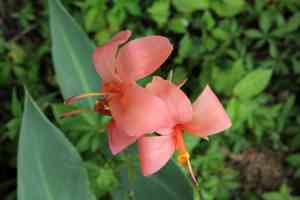
1
Yellow Maraca flourishes in abundant sunshine and soil that drains effectively.
2
Appropriate distance between Maraca amarilla plants promotes ideal development and visual appeal.
3
Consistent upkeep assists Maraca amarilla in maintaining its health and vividness within your garden.
Understanding the Fundamentals of Maraca amarilla in Garden Design
Why is Maraca amarilla an excellent choice for garden planning?
When designing a garden, a primary consideration is the plant selection that will complement the overall scheme, and Maraca amarilla stands out for various reasons. This adaptable plant is celebrated for its vivid blossoms and abundant foliage, which can introduce a tropical feel to any garden. Its resilient nature allows it to thrive in diverse climates, making it a superb option for various garden styles, from contemporary to classic. Furthermore, Maraca amarilla demands relatively little upkeep once established. This makes it an ideal selection for gardeners of all skill levels.
The diverse functions of Maraca amarilla in outdoor areas
Maraca amarilla is more than just an attractive addition; it serves multiple purposes in garden design. It can function as a focal point to draw attention to a specific zone or as an edging plant to delineate paths and garden beds. Additionally, Maraca amarilla's sturdy structure makes it an effective option for windbreaks or privacy screens. In aquatic settings, such as around ponds or water gardens, Maraca amarilla can flourish and contribute a distinct aesthetic quality. The adaptability of this plant means it can suit various garden layouts, enhancing both utility and visual appeal.
Selecting the Optimal Site for Maraca amarilla
Factors to consider when positioning Maraca amarilla
Choosing the ideal spot for Maraca amarilla involves evaluating several elements, including soil quality, water availability, and proximity to other plants. Maraca amarilla thrives best in well-draining soil enriched with organic matter. Ensure the chosen location is not prone to waterlogging, which can impede its growth. Additionally, consider potential competition for resources from nearby plants; guarantee Maraca amarilla has ample room to grow without being constrained. Sufficient air movement is also crucial to prevent disease and encourage healthy development.
How sunlight exposure and spacing impact Maraca amarilla's development
Sunlight plays a vital role in the growth and flowering of Maraca amarilla. This plant flourishes in full sun to partial shade, making it important to place it in an area that receives ample light throughout the day. Additionally, proper spacing is essential to prevent overcrowding and promote healthy air circulation. Allowing enough room between each Maraca amarilla plant ensures they have the space to reach their full potential without competing for light, nutrients, or water. Typically, positioning Maraca amarilla about 1-2 feet apart will allow for optimal growth and a visually pleasing arrangement in your landscape.
Creative Concepts with Maraca amarilla
Integrating Maraca amarilla into floral displays
Incorporating Maraca amarilla into flower beds can create a layered, dynamic appearance. Its height and vibrant blossoms add a vertical dimension that contrasts beautifully with lower-growing plants. To maximize Maraca amarilla's impact in your flower bed, plant it towards the rear if you have a multi-tiered bed arrangement. This ensures it doesn't overshadow shorter plants, allowing each plant to stand out and contribute to the overall aesthetic. Pair Maraca amarilla with complementary flowers that accentuate its colors and texture for a cohesive and stunning flower bed.
Establishing focal points using Maraca amarilla
Creating focal points is a critical aspect of effective landscape design, and Maraca amarilla excels in this capacity. Its striking appearance can be used to direct the eye to specific areas of your garden, such as a circular bed in the center of your lawn or a dedicated plot at the entrance of your garden. To make Maraca amarilla the star of the show, consider planting it in a prominent location where it can be viewed from multiple angles. Combining Maraca amarilla with landscape features like stones, statues, or water elements can further enhance its focal quality.
Utilizing Maraca amarilla for borders and edges
Maraca amarilla can also be effectively employed to define borders and edges within your landscape. Its structured growth habit makes it an excellent natural boundary that can line walkways, driveways, or the perimeter of garden beds. When using Maraca amarilla as a border plant, ensure consistent maintenance to keep it looking neat and contained. Regularly trim any overgrowth to maintain a tidy and orderly appearance. This application not only offers aesthetic value but also aids in guiding visitors and organizing different sections of your landscape.
Care Guidelines for Maraca amarilla in Gardens
Fundamental upkeep and seasonal care recommendations
Maintaining Maraca amarilla's health and vibrancy involves some straightforward care tasks. Consistent watering is crucial, especially during dry spells, but be mindful of overwatering. Mulching around the base can help retain moisture and suppress weeds. Seasonally, add compost or a balanced fertilizer to supply essential nutrients. Pruning spent flowers encourages more blooms and maintains a neat appearance. In colder climates, consider mulching heavily or bringing potted plants indoors to shield them from frost.
Addressing common issues when cultivating Maraca amarilla
Although Maraca amarilla is relatively simple to grow, it may encounter some problems such as pests and diseases. Common pests include aphids and spider mites, which can usually be managed with insecticidal soap or neem oil. Diseases like rust and leaf spot can affect Maraca amarilla, but these are often preventable with proper spacing and watering practices. Ensure good air circulation and avoid overhead watering to minimize these problems. Occasionally, you may need to divide overcrowded clumps to promote better air circulation and rejuvenate the plants.



