How to Transplant Sword bean?
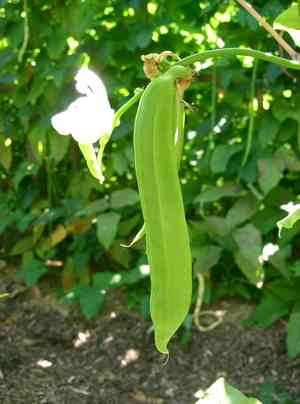
The most favorable period for transplanting sword bean extends from the gentle warmth of late spring through the supportive core of summer, as consistent temperatures and extended daylight hours facilitate development. Select a sun-drenched location with effective drainage to promote a strong, healthy transplant. Ensure the procedure is low-stress for these resilient plants.
What Preparations are Needed Before Transplanting Sword Bean?
What is the Ideal Time for Transplanting Sword Bean?
The optimal period for moving sword bean is during the warm, 'growth-promoting season,' extending from late spring through mid-summer. This timing aligns with sword bean's preference for stable warmth, providing many mild days crucial for root establishment and shoot development. Transplanting within this timeframe gives sword bean an advantage with ideal temperatures and increasing daylight, fostering vigorous growth. Embrace this window, and you will observe sword bean's smooth transition into its new home, enhancing its potential for vitality.
How Much Space Should You Leave Between Sword Bean Plants?
When allocating space for your sword bean, aim for a generous 24-36 inches (60-90 cm) between each plant. This provides sword bean with ample room to thrive without competing for nutrients or sunlight.
What is the Best Soil Mix for Sword Bean Transplanting?
For sword bean, prepare the soil with a rich, well-drained mixture. Incorporate a balanced, slow-release fertilizer to give your plants a robust start. Ensuring the soil is loose and fertile will support healthy development.
Where Should You Relocate Your Sword Bean?
Select a sunny location in your garden that receives at least 6-8 hours of direct sunlight daily for sword bean. This will ensure sword bean obtains the energy it requires to grow strong and yield abundant harvests.
What Equipments Should You Prepare Before Transplantation Sword Bean?
Gardening Gloves
To safeguard your hands while handling soil and plants.
Trowel
For digging and moving soil during the transplanting process.
Watering Can or Hose
To pre-water the plant before removal and to irrigate after transplanting.
Spade or Shovel
Needed for excavating the sword bean if it is large or firmly rooted in the ground.
Gardening Fork
To loosen the soil around the roots when removing from a pot or the ground.
Pruning Shears
For trimming any damaged roots or excess foliage.
Wheelbarrow or Cart
For transporting the sword bean and soil if the plant is large.
Plant Support Stakes
To offer stability to the sword bean once transplanted, especially for taller varieties.
How Do You Remove Sword Bean from the Soil?
How Do You Remove Sword Bean from the Soil?
From Ground: Start by watering the sword bean to moisten the soil, making it easier to manage. Use a spade or shovel to dig a wide circle around the plant, being careful not to cut into the root ball. Gently work the spade under the root system, and carefully lift the sword bean from the ground.From Pot: Ensure the soil is damp, then turn the pot on its side and tap the edges and bottom to loosen the plant. You might need to squeeze plastic pots to release the roots. Grasp the base of the sword bean and gently ease it out of the pot, supporting the plant and root ball with your hand.From Seedling Tray: Moisten the soil to facilitate removal. Use a trowel or your fingers to gently lift the sword bean from its cell in the tray, ensuring you support the root ball to prevent damage.
Step-by-Step Guide for Transplanting Sword Bean
Preparation
Water the sword bean thoroughly a few hours prior to transplanting to ensure the roots are well hydrated.
Removal
Follow the appropriate method from the 'removal process' to extract the sword bean from its current location with minimal root disturbance.
Root Inspection
Examine the root ball of the sword bean and trim any damaged or excessively long roots with pruning shears.
Planting Hole
Dig a hole in the ground twice as wide and the same depth as the root ball of the sword bean.
Positioning
Place the sword bean in the center of the hole, ensuring it’s at the same depth as it was previously. Straighten the plant and spread out the roots gently.
Backfilling
Refill the hole with the removed soil, firmly but carefully packing it around the root ball to eliminate air pockets.
Watering
Water the sword bean generously after planting to settle the soil and help reduce transplant shock.
Staking
If necessary, insert plant support stakes into the ground and loosely tie the sword bean for stability.
Mulching
Apply a layer of mulch around the base of the sword bean to help retain moisture and regulate soil temperature.
How Do You Care For Sword Bean After Transplanting?
Monitoring
Check the sword bean regularly for signs of stress such as wilting or discolored leaves and address any issues promptly.
Watering Consistency
Maintain consistent soil moisture, especially during the initial weeks, to encourage strong root development.
Support Adjustment
Adjust stakes as the sword bean grows to ensure they are providing adequate support without constricting growth.
Weed Control
Remove weeds that emerge around the sword bean so they do not compete for nutrients and water.
Observation
Keep an eye on the sword bean for pests or diseases, and take action if needed to ensure the health of the plant.
Troubleshooting Common Issues with Sword Bean Transplantation.
When is the best time to transplant sword bean?
The ideal period for transplanting sword bean is when the weather warms up, typically from late spring to mid-summer.
What spacing should I maintain between sword bean plants?
Give sword bean plenty of room to grow by spacing them 24-36 inches (60-90 cm) apart.
How deep should I plant sword bean seedlings?
Plant sword bean seedlings at the same depth as their original container, ensuring root bases are covered.
Why are my sword bean plants wilting after transplant?
Wilting post-transplant may indicate shock. Water the plants gently and provide shade for a few days.
What soil conditions favor sword bean transplant growth?
Ensure loamy, well-draining soil with a neutral pH to encourage healthy sword bean growth.
Can I transplant sword bean during a hot day?
Transplant sword bean during cooler parts of the day to prevent stress and ensure better establishment.
How much water does sword bean need after transplanting?
Water sword bean thoroughly after transplanting to settle the soil and provide moisture for roots.
Should I fertilize sword bean after transplanting?
Wait a few weeks before applying a balanced fertilizer, allowing sword bean to acclimate first.
How do I protect sword bean transplants from pests?
Regularly inspect sword bean and use organic pesticides if necessary to prevent pest infestations.
What if the leaves of sword bean start turning yellow?
Yellowing leaves could indicate overwatering or poor drainage. Ensure the soil is moist but not soggy.



