How to Prune Sword bean?
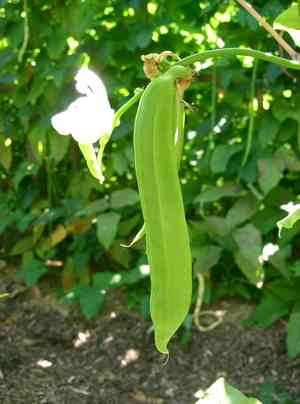
This leguminous plant is recognized for its robust development and consumable seeds contained within elongated, blade-like pods. Trimming sword bean entails reducing thick foliage to encourage air movement and shortening vines to preserve the preferred dimensions and form. The most suitable periods for pruning extend from spring to autumn, aligning with its active growth phase. Consistent trimming can boost pod yield and the plant's general well-being. Employing sanitized, sharp implements is crucial to prevent the spread of pathogens and guarantee precise cuts for swift recovery.
Advantages of Trimming Sword Bean
Advantages of Trimming Sword Bean
Trimming sword bean promotes robust development and helps maintain its intended shape. By carefully removing parts of the plant, air circulation and light penetration improve, fostering a strong structure and potentially more abundant fruit production.
Optimal Time for Pruning Sword Bean
Optimal Time for Pruning Sword Bean
Pruning in Spring coincides with the beginning of sword bean's active growth phase, allowing the plant to recover quickly and direct energy into new development. Early Summer is suitable for cutting back any excessive growth after flowering to maintain form and encourage more blooms in the subsequent season. Late Fall is ideal for removing any dead or diseased foliage post-fruiting, preparing sword bean for dormancy while reducing pest and disease occurrence. These periods ensure the plantâs health, vigor, and productivity are maintained without disrupting its natural growth cycle and fruiting capabilities.
Necessary Tools for Pruning Sword Bean
Hand Pruners
Perfect for cutting through sword bean stems, as they enable accurate, clean cuts without harming plant tissue.
Pruning Saw
Useful for cutting through thicker stems or branches that hand pruners cannot manage, ensuring quick and efficient trimming.
Loppers
Offer extended reach and leverage for trimming larger stems, making them an essential tool for managing sword bean's vigorous growth.
Garden Shears
Effective for shaping and trimming sword bean foliage, providing a uniform appearance to the plant's canopy.
Gloves
Protect hands when pruning sword bean, as some plant parts may be tough or have rough edges.
How to Prune Sword Bean
Sanitize Tools
Before pruning sword bean, sanitize all cutting tools to prevent disease spread. Use a solution of 1 part bleach to 9 parts water to sterilize the tools.
Identify
Locate withered leaves on sword bean. These are typically yellowed, brown, or appear dry and may be found throughout the plant.
Cut Back
Using your sterilized pruning shears, gently cut back the withered leaves at the base of their stems. Take care not to damage healthy parts of sword bean.
Clean Up
Remove all cuttings from the base of sword bean to discourage pests and diseases from establishing in the debris.
Inspect Plant
After pruning, inspect sword bean for any signs of other stress or pest issues that may require attention. Early detection can prevent many common problems.
Common Pruning Errors with Sword Bean
Excessive Pruning
Removing too much foliage, which can stress sword bean and reduce its ability to photosynthesize efficiently. Aim to trim no more than one-third of the overall growth in a single pruning session.
Incorrect Cut Placement
Making cuts too far from a node or bud can result in unsightly stubs and potential entry points for pests and diseases. Conversely, cutting too close can damage the bud and impede new growth.
Using Dull Tools
Dull pruning shears can crush the stems of sword bean, leading to uneven cuts that heal poorly and may promote disease.
Pruning Without Purpose
Pruning sword bean without a clear purpose, such as to shape the plant, remove deadwood, or encourage flowering. Random or unnecessary cuts can harm the plant's growth.
Neglecting Tool Hygiene
Failing to clean and disinfect tools before and after use can spread diseases from infected plants to healthy ones, including sword bean.
Disregarding Growth Habit
Ignoring the natural growth habit of sword bean when pruning, which can result in a loss of the plant's aesthetic form and potentially hinder its development.
General Pruning Advice for Sword Bean
Selective Pruning
Focus on removing dead or diseased branches, thinning overcrowded areas to improve air circulation, and cutting back overgrown sections to maintain the desired size and shape of sword bean.
Sharp Tool Use
Always use sharp, clean pruning shears or scissors to make clean, precise cuts that heal quickly and minimize stress to sword bean.
Conscious Cut Angle
Make cuts at a 45-degree angle just above a leaf node or bud to encourage new growth in the desired direction and prevent water accumulation.
Observant Pruning
Examine the overall structure of sword bean and prune with the intention of encouraging strong branches while maintaining the integrity of the plant's form.
Post-Prune Care
After pruning, provide sword bean with adequate water and nutrients to help reduce stress and support recovery and new growth.
Patience With Flowering
Recognize that pruning may temporarily reduce blooming in sword bean. Be patient, as the plant will need time to recover and produce new flowers.



