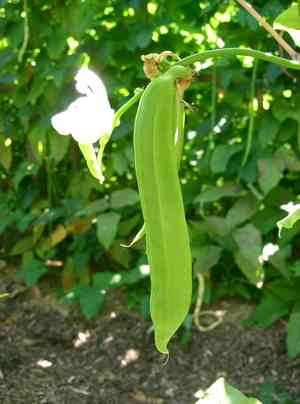
Sword bean (Canavalia gladiata)
Also known as: Horse bean
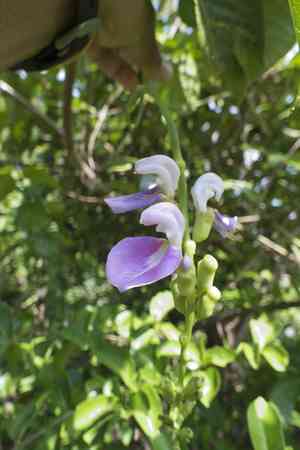
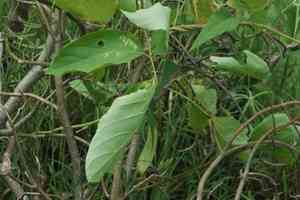
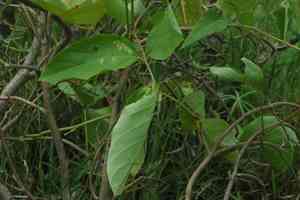
During the summer, this plant showcases delicate white or pink flowers that resemble butterflies. Subsequently, it produces sizable fruit pods, typically measuring 30 to 50 cm in length and around 5 cm in width. The foliage comprises trifoliate leaves attached to lengthy petioles.
In This Article
Attributes of Sword bean
Lifespan
Annual, Perennial
Plant Type
Herb, Vine
Plant Height
10 m
Spread
30 cm
Leaf Color
Green
Flower Size
2.5 cm to 4 cm
Flower Color
Purple White Pink
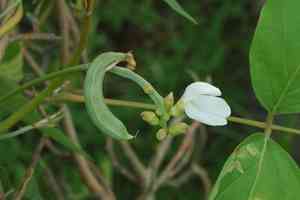
Images of Sword bean
Quickly Identify Sword bean
1
Canavalia gladiata can be identified by its long, flat, sword-shaped pods, trifoliate leaves, and robust climbing vines. The flowers are typically pink or purple, making it distinguishable during its blooming period.
Scientific Classification of Sword bean
Phylum
Vascular plants
Class
Dicotyledons
Order
Legumes, milkworts and allies
Family
Legume
Genus
Jackbeans
Species
Sword bean
Planting and Growing of Sword bean
Care Difficulty
Easy
Watering Schedule
Every 4 days
Sunlight Requirements
Full sun
Sunshine Duration
4-8 hours
Ideal Temperature
75-86℉
Soil Type
Potting Mix, Peat Mix
Soil pH
6.5-7.5
Fertilizer Type
Balanced
Pruning Season
Spring, Summer
Pruning Area
Branches, Leaves
Pruning Frequency
2 times a year
Repotting Season
Spring
Pot Type
Terracotta, Plastic
 How to Water Sword bean?
For the Canavalia gladiata, it's important to provide a deep soak but only when the soil starts to dry out. Watering should ensure that moisture reaches the root zone without waterlogging it. Ideally, water until excess starts to drain from the bottom of the pot, ensuring roots get ample moisture without being saturated.
What are the symptoms of an underwatered Sword bean?
›
What should I do if my Sword bean is not getting enough water?
›
What are the symptoms of an overwatered Sword bean?
›
How to save an overwatered Sword bean?
›
 What Are the Sunlight Requirements for Sword bean?
Canavalia gladiata thrives best in full sun to partial sun conditions. Ideal lighting promotes healthy photosynthesis, strong growth, and vibrant flowers, essential for its development.
More About Sunlight Requirements Techniques→
Question 1: What is the best light condition for Canavalia gladiata?
›
Solution for Ideal Lighting: How to achieve the best lighting conditions?
›
Benefits of Ideal Lighting Conditions: What advantages does it bring?
›
 What Is the Ideal Temperature Range for Sword bean?
The ideal temperature range for Canavalia gladiata lies between 75°F and 86°F. Within this range, the plant can maximize its growth potential and maintain robust health. This comfort zone ensures that the metabolic processes and photosynthesis are carried out with efficiency, promoting strong growth and flowering.
 What Soil is Best for Sword bean?
Canavalia gladiata thrives in soils that offer excellent drainage. Proper drainage prevents water from sitting around the roots, reducing the risk of root rot and promoting healthier plant growth. These plants require soil that retains moisture without becoming overly saturated. Maintaining consistent moisture levels supports robust growth and aids in nutrient absorption, leading to a vigorous plant. A fertile soil with organic matter enriches the plant with necessary nutrients. Organic matter improves soil structure and fertility, enhancing root development and plant vitality.
 How to Fertilize Sword bean?
For Canavalia gladiata, it's crucial to use a balanced fertilizer with equal parts of nitrogen, phosphorus, and potassium (NPK 10-10-10). Avoid over-fertilization by applying 1 tablespoon of liquid fertilizer per gallon of water.
 How to Prune Sword bean?
Start by inspecting the canavalia gladiata thoroughly to identify any dead, diseased, or damaged foliage. Make a note of these areas for removal during the pruning process. Use a clean, sharp pair of pruning shears to make cuts just above a leaf node or bud. This encourages new growth in these areas. Always cut at a slight angle to prevent water from pooling on the cut surface. Trim back lanky or overgrown branches to ensure the plant maintains a compact and manageable form. This also prevents the plant from becoming top-heavy and enhances the overall aesthetic. After major cuts, remove fallen foliage from the soil surface to prevent disease. Finish by gently wiping the cut areas with a cloth soaked in soapy water to deter pests.
More About Pruning Techniques→
 How to Propagate Sword bean plant?
1
Harvest seeds from mature pods once they have dried on the plant. Gently shake the seeds free and ensure they are not damaged. Store in a cool, dry place if not planting immediately.
2
Use a well-draining potting mix rich in organic matter. Moisten the soil slightly before planting seeds or placing cuttings. Avoid overly compacting the soil to promote root penetration.
3
Sow seeds at a depth of about 1 inch, spaced sufficiently to allow for growth. Cover lightly with soil, water gently, and place in a warm, sunny spot. Keeping the soil consistently moist enhances germination.
 How to Repot Sword bean plant?
1
Repotting Canavalia gladiata is ideal when you notice roots growing out of the drainage holes, the soil drying out too quickly, or the plant's growth being stunted. These signs indicate that the plant has outgrown its current pot and needs more room to grow.
2
Select a pot that is one size larger than the current one, with ample drainage holes. A larger pot ensures enough space for root expansion, promotes healthier growth, and reduces the frequency of needing to water, as it retains moisture better.
3
Choose a well-draining potting mix that can retain some moisture without becoming waterlogged. This type of soil balances the needs of Canavalia gladiata by preventing root rot while supplying enough nutrients for robust growth and development.
Learn More About Sword bean Diseases
Anthracnose
Bacterial Leaf Spot
Bacterial Wilt
Cyst Nematode
Damping-off
Downy Mildew
Drought Stress
Fusarium Wilt
Gray Mold
Leaf Spot
Mosaic
Nutrient Deficiency
Nutrient Toxicity
Powdery Mildew
Root Rot
Root-knot Nematode
Rusts
Sooty Mold
Spider Mites
Temperature Stress
Thrips Damage
White Mold
Chemical Injury



