How to Transplant Adriatic bellflower?
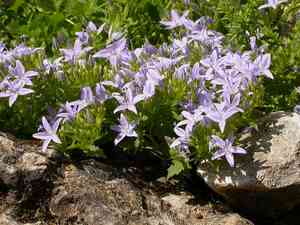
The most favorable period for relocating adriatic bellflower is during its revitalization stage, generally the burgeoning period of early to mid-spring. To ensure success, choose locations offering partial shade to full sunlight and damp, adequately draining earth. Facilitate a smooth adjustment to prevent root trauma.
Preparations Required Before Relocating Adriatic Bellflower
Optimal Timing for Adriatic Bellflower Relocation?
Choose early spring for transplanting adriatic bellflower, allowing roots to settle in mild soil. This period promotes vigorous growth, ensuring a vibrant display. The gentle climate supports root development without extreme weather stress, enabling adriatic bellflower to flourish.
Recommended Spacing Between Adriatic Bellflower Plants?
For successful adriatic bellflower cultivation, provide ample room for establishment. Spacing them approximately 1-2 feet (30-60 cm) apart is ideal. This ensures each plant receives sufficient sunlight, air circulation, and root expansion space.
Best Soil Mixture for Adriatic Bellflower Transplanting?
Adriatic bellflower thrives in well-drained soil rich in organic matter. Incorporate well-rotted compost or manure as a fertilizer base. Mix it into the soil's upper layer. Combining these elements will help adriatic bellflower prosper.
Optimal Location for Adriatic Bellflower Relocation?
Position adriatic bellflower where it will receive partial to full sun exposure. It tolerates some shade, especially in hotter regions, but remember that light is crucial for healthy development.
Equipment Needed Before Transplanting Adriatic Bellflower?
Gardening Gloves
To safeguard your hands while handling soil and adriatic bellflower.
Spade or Shovel
For digging the planting hole and extracting the plant from its current spot.
Gardening Trowel
To manage the plant with greater care and work with soil near the root system.
Garden Hose or Watering Can
To adequately hydrate the plant before and after the transplanting process.
Organic Compost
To introduce beneficial nutrients into the soil at the time of planting.
How to Extract Adriatic Bellflower from the Soil?
How to Extract Adriatic Bellflower from the Soil?
From Ground: Begin by thoroughly watering the adriatic bellflower to moisten the soil. Using a spade or shovel, dig a wide circle around the plant, being careful not to harm its root system. Next, work the spade beneath the root ball to lift the plant, retaining as much soil around the roots as possible.From Pot: If the adriatic bellflower is currently in a container, water it thoroughly beforehand. Invert the pot and gently tap its sides to loosen the plant. If needed, carefully run a trowel along the pot's inner edge to free the plant.From Seedling Tray: Water the adriatic bellflower seedlings until the soil is damp. Gently press the soil beneath each cell to pop out the seedling, ensuring protection for the delicate roots and foliage.
Step-by-Step Guide for Transplanting Adriatic Bellflower
Initial Watering
Water the adriatic bellflower in its current location. This helps minimize shock during relocation.
Prepare the New Site
Use a shovel to excavate a hole twice as wide and as deep as the adriatic bellflower's current root ball.
Soil Enrichment
Incorporate organic compost into the hole to boost the soil's nutrient content.
Plant Placement
Carefully position the adriatic bellflower in the center of the hole. The top of the root ball should be level with the soil surface.
Backfilling the Hole
Refill the hole with the soil and compost mixture, gently firming around the base of the adriatic bellflower.
Final Hydration
Water the adriatic bellflower thoroughly to settle the soil and eliminate any air pockets.
Post-Transplant Care for Adriatic Bellflower
Watering
Ensure the adriatic bellflower is well-watered after transplanting. Continue regular watering, but avoid overwatering to prevent waterlogging.
Pruning
If you observe any dead or dying foliage on the adriatic bellflower after transplanting, gently trim these parts to encourage new growth.
Monitoring
Observe the adriatic bellflower over the subsequent weeks. It should begin to show signs of new growth, indicating successful adaptation to its new environment.
Mulching
To help retain soil moisture and suppress weeds, apply a layer of organic mulch around the base of adriatic bellflower.
Addressing Common Issues with Adriatic Bellflower Transplantation.
What is the ideal period to transplant adriatic bellflower?
The perfect window for relocating adriatic bellflower is from early to late spring. The mild temperatures during this time are excellent for its adjustment.
How much space is required between adriatic bellflower plants?
A good guideline is to maintain 1-2 feet (30-60 cm) of distance between adriatic bellflower plants. Adequate spacing allows for proper growth and reduces competition for nutrients.
Should adriatic bellflower be permanently planted outdoors?
Yes! Adriatic bellflower plants are resilient perennials and thrive outdoors. They need fresh air and sufficient sunlight to flourish.
Is it necessary to amend the soil before transplanting adriatic bellflower?
Adding organic matter to the soil before transplanting adriatic bellflower can enhance its fertility and aid in moisture retention, contributing to the plant's healthy development.
What type of soil is best for adriatic bellflower growth?
Adriatic bellflower grows best in loose, well-drained soil. Excessive moisture can lead to root rot, where the soil's texture plays a vital role in preventing water accumulation.
Can adriatic bellflower tolerate direct sunlight after transplantation?
Adriatic bellflower prefers partial shade; however, it can endure sun but might require extra watering during hot and dry periods.
Should I water adriatic bellflower immediately after transplantation?
Yes, watering adriatic bellflower soon after transplanting helps settle the soil, reduces stress, and promotes root establishment. However, remember not to overwater!
How often should I fertilize newly transplanted adriatic bellflower?
During the first year, it's recommended to lightly fertilize adriatic bellflower every 4-6 weeks during the growing season, using a balanced, slow-release fertilizer.
Is there a risk of pests or diseases when transplanting adriatic bellflower?
While adriatic bellflower is robust and generally pest-resistant, you should still watch for common plant diseases. Regular inspections and early treatment are most effective for maintaining plant health.
What happens if adriatic bellflower is transplanted too deep or too shallow?
Planting adriatic bellflower too deep can suffocate roots, while planting too shallow can cause drying out. Ensure the top of the root ball is just below the ground surface for optimal growth.



