How to Prune Adriatic bellflower?
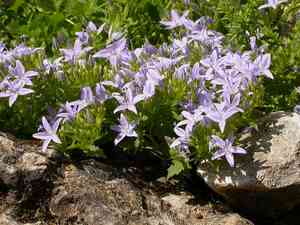
Campanula portenschlagiana, recognized for its azure, star-like blossoms, thrives with gentle trimming in the spring and following its summer flowering period. Snip off faded flowers to stimulate ongoing blooming and prevent overly elongated stems. Removing lifeless or infected stalks deters the proliferation of ailments and fosters a more robust plant framework. Timely pruning aids in preserving a dense, appealing look, simultaneously guaranteeing superior air movement and sunlight exposure, which are vital for peak development.
What Are the Benefits of Pruning Adriatic Bellflower?
What Are the Benefits of Pruning Adriatic Bellflower?
Adriatic bellflower should be trimmed to encourage robust growth and maintain its form. Pruning fosters healthy development, boosts flowering, manages plant size, enhances aesthetics, and aids in resisting pests and diseases, ensuring the plant flourishes.
What Is the Best Time for Pruning Adriatic Bellflower?
What Is the Best Time for Pruning Adriatic Bellflower?
Trimming or cutting back adriatic bellflower is optimally performed in Spring and Summer. During these periods, adriatic bellflower experiences active development, allowing it to recover quickly from pruning. Spring pruning can help stimulate a more abundant bloom during the flowering season, while Summer pruning can assist in shaping the plant and removing any faded flowers, promoting further blossoming. Avoid pruning in Fall and Winter as adriatic bellflower enters a dormant state, and cutting at this time can weaken the plant and increase its susceptibility to harm and illness.
What Tools Do I Need to Prune Adriatic Bellflower?
Pruning Shears / Hand Pruners
Perfect for accurate cuts on small stems and foliage. Adriatic bellflower typically has delicate stems that benefit from the precision of pruning shears.
Bypass Pruners
Highly recommended for clean cuts on live plant tissue. Using bypass pruners helps prevent crushing and damaging the stems of adriatic bellflower.
Snips
Useful for deadheading or trimming smaller, more intricate parts of adriatic bellflower. These snips allow for detailed work without harming the plant.
How to Prune Adriatic Bellflower
Inspect
Examine the plant thoroughly to identify diseased leaves, withered leaves, and diseased stems.
Sanitize
Disinfect your pruning tools with a solution of one part bleach to nine parts water to prevent the spread of disease.
Remove diseased leaves
Carefully cut off any diseased leaves at the base of their stems using sanitized scissors or pruning shears.
Remove withered leaves
Trim away withered leaves to improve the overall appearance and health of the plant. Make clean cuts close to the main stem.
Trim diseased stems
Cut back any diseased stems to healthy tissue, ensuring you remove all affected parts to prevent the disease from spreading.
Common Pruning Mistakes with Adriatic Bellflower
Over-pruning
Cutting too much of the adriatic bellflower can weaken the plant and reduce flowering. This can cause undue stress and inhibit growth.
Improper Cuts
Making jagged or uneven cuts can damage the plant tissue, leading to potential disease entry points.
Wrong Tools
Using dull or inappropriate tools can crush stems instead of cutting cleanly, which can harm the plant.
Neglecting Deadheading
Failing to remove spent flowers can lead to less vigorous growth and limit the plant's flowering potential.
Pruning at the Wrong Time
Pruning at the wrong intervals can interfere with the plant's natural growth cycle and reduce its overall vitality.
Common Pruning Tips for Adriatic Bellflower
Use Sharp Tools
Always use sharp, clean pruning shears to make precise cuts, minimizing damage to the plant.
Remove Spent Flowers
Regularly deadhead the plant by removing spent flower heads to encourage continuous blooming and healthy growth.
Thin Out Dense Areas
Trim away some of the inner stems to improve air circulation within the plant, which reduces the risk of fungal infections.
Prune Lightly
Make light, regular cuts rather than heavy pruning sessions. This helps maintain the plant's shape and encourages more vigorous growth.
Sanitize Tools
Clean your tools with a disinfectant before and after pruning to prevent the spread of disease.



