How to Transplant Island false bindweed?
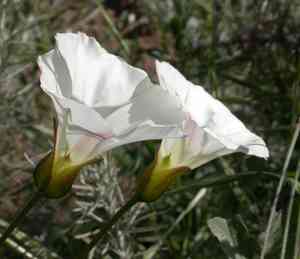
Relocate island false bindweed during the early spring to late spring period for the best chance of successful rooting. Select a location that receives ample sunlight and has good drainage. A helpful suggestion: island false bindweed prospers when it has ample area to spread, so ensure it has sufficient space to develop.
What Preparations are Needed Before Transplanting Island False Bindweed?
What is the Ideal Time for Transplanting Island False Bindweed?
The optimal period for relocating island false bindweed spans from early spring to the onset of summer. This timing aligns with the plant's natural growth cycle, promoting vigorous establishment. Transplanting during this phase benefits from mild weather, which is gentle on root systems, facilitating successful integration into its new environment. This approach ensures island false bindweed gets a head start, maximizing the growing season for a lush, healthy display.
How Much Space Should You Leave Between Island False Bindweed Plants?
When moving your island false bindweed, aim for a comfortable spacing of 24-36 inches (61-91 cm) between each plant. This provides ample room for foliage expansion and robust growth without competition for nutrients or sunlight.
What is the Best Soil Mix for Island False Bindweed Transplanting?
For your island false bindweed, a well-draining soil, abundant in organic material, is crucial. Prior to planting, enrich the soil by incorporating a balanced, slow-release fertilizer to give your plants a nutritious beginning.
Where Should You Relocate Your Island False Bindweed?
Select a sunny location in your garden that receives ample light for your island false bindweed. Island false bindweed thrives in full sun, which typically means at least 6 hours of direct sunlight daily, to encourage dense, vibrant growth.
What Equipments Should You Prepare Before Transplantation Island False Bindweed?
Gardening Gloves
To safeguard your hands while handling soil and plants.
Spade or Shovel
To excavate the island false bindweed without harming its root structure.
Hand Trowel
For more precise tasks and minor adjustments within the new planting site.
Pruners
To trim any dead or excessive plant parts prior to relocation.
Watering Can or Hose
To hydrate the island false bindweed before and after moving it, minimizing transplant shock.
Wheelbarrow or Garden Cart
To transport the island false bindweed from one spot to another, if required.
Plant Support Stakes
To offer stability to the island false bindweed post-transplant, if necessary.
How Do You Remove Island False Bindweed from the Soil?
How Do You Remove Island False Bindweed from the Soil?
From Ground: Thoroughly water the island false bindweed to soften the soil. Use a spade or shovel to carefully dig around the plant, creating a wide perimeter to preserve as much of the root system as possible. Gently loosen and lift the plant from the ground, keeping the root ball intact.From Pot: Water the plant in its container to facilitate easier root removal. Turn the pot on its side and gently tap the edges and bottom to loosen the soil. Grasp the base of the plant and carefully slide it out of the pot, maintaining the integrity of the root ball.From Seedling Tray: Water the seedlings to moisten the growing medium. Use a hand trowel or spoon to carefully extract each seedling from its cell, ensuring the root soil mass remains supported to prevent root system disintegration.
Step-by-Step Guide for Transplanting Island False Bindweed
Preparation
Prepare the new site by loosening the soil where the island false bindweed will be replanted.
Digging Hole
Excavate a hole twice as wide and nearly as deep as the island false bindweed's root ball to provide ample space for its roots.
Plant Positioning
Center the island false bindweed in the hole, ensuring it sits at the same depth as it did in its previous location.
Fill In
Backfill the hole with soil, gently pressing around the island false bindweed to eliminate air pockets and secure the plant.
Watering
After transplanting, thoroughly water the island false bindweed to help settle the soil and hydrate its roots.
Support Installation
If the island false bindweed is large or top-heavy, insert plant support stakes around it to provide stability.
How Do You Care For Island False Bindweed After Transplanting?
Mulching
Apply a layer of mulch around the base of the island false bindweed to help retain soil moisture and suppress weeds.
Pruning
Trim any damaged or broken stems to encourage new growth and allow the island false bindweed to focus energy on root establishment.
Regular Watering
Continue to water the island false bindweed consistently to promote root development, especially during the initial weeks post-transplant.
Observation
Monitor the island false bindweed for signs of transplant shock, such as wilting or discolored leaves, and address issues as needed.
Troubleshooting Common Issues with Island False Bindweed Transplantation.
How often should I water island false bindweed after transplanting?
Provide island false bindweed with consistent moisture, watering deeply once a week, allowing soil to slightly dry between sessions.
What's the ideal time to transplant island false bindweed for best establishment?
Transplant island false bindweed from early to mid-spring for optimal root development before summer heat.
How deep should I plant island false bindweed during transplantation?
Plant island false bindweed at the same depth it grew in its previous pot to avoid stem rot.
What spacing is needed between island false bindweed plants?
Space island false bindweed plants 24-36 inches (61-91 cm) apart to ensure enough room for growth and airflow.
Should I prune island false bindweed after transplanting, and how much?
Lightly prune to shape island false bindweed, removing no more than a third of its growth to reduce transplant shock.
Which soil conditions favor the successful transplanting of island false bindweed?
Use well-draining soil rich in organic matter to provide island false bindweed with the best start after transplanting.
How do I prepare island false bindweed for transplanting?
Water island false bindweed thoroughly before relocating to ease shock and preserve root moisture during the move.
What signs indicate island false bindweed is experiencing transplant shock?
Wilting, yellowing leaves, or stunted growth may suggest island false bindweed suffers from transplant shock.
Is mulching beneficial for island false bindweed post-transplant?
Mulch around island false bindweed to maintain soil moisture and temperature, aiding recovery and growth.
Can I fertilize island false bindweed immediately after transplanting?
Wait 4-6 weeks before fertilizing island false bindweed to avoid burning delicate new roots.



