How to Prune Island false bindweed?
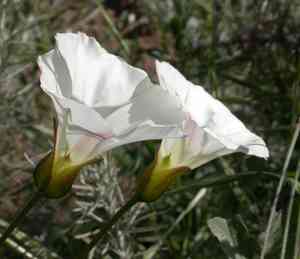
A robust vining plant, island false bindweed thrives with consistent trimming to manage its expansion and foster denser leaves. Remove deceased or excessively long shoots throughout the year, preferably following the blooming period to prevent interference with flower production. Make cuts near a leaf node using sharp, sanitized pruning tools. This practice boosts the plant's vitality and prevents excessive density, thereby ensuring proper air movement and lowering the likelihood of infestations and illnesses.
Advantages of Trimming Island False Bindweed
Advantages of Trimming Island False Bindweed
Trimming island false bindweed promotes abundant flowering, stimulates vigorous development, and maintains a desired form. Consistent cutting helps sustain plant health and vitality, optimizes flower production, and ensures a well-defined shape, crucial for garden aesthetics and space management.
Optimal Time for Trimming Island False Bindweed
Optimal Time for Trimming Island False Bindweed
Trimming island false bindweed from late winter to early spring, prior to new growth, is ideal for several reasons. This timing allows removal of dead or damaged foliage from prior seasons without harming the plant's vigor. It aligns with the end of island false bindweed's dormant period, minimizing stress and disease risk. Pruning then also encourages healthier, more vigorous regrowth, helps maintain desired shape and size, and conserves plant energy for the upcoming growing season, ensuring robust blooms and growth.
Tools Required for Trimming Island False Bindweed
Hand Pruners
Perfect for making precise cuts on island false bindweed, specifically for removing smaller stems and leaves. The bypass type, which operates like scissors, is preferred for its clean cuts that aid faster healing.
Pruning Saw
Useful for cutting through thicker stems or branches of island false bindweed that are too large for hand pruners. A pruning saw with a curved blade can make these tougher cuts more manageable.
Loppers
Designed for cutting branches slightly larger than those manageable by hand pruners. They feature long handles, providing the leverage needed to prune denser parts of island false bindweed without straining the gardener.
Gloves
Essential for protecting the gardener's hands from scratches and the sap of island false bindweed, which may irritate some skin types.
Pruning Shears
For shaping island false bindweed or quickly snipping thinner stems. Shears can be used for selectively thinning areas to improve air circulation or to ensure island false bindweed stays within its designated space.
How to Trim Island False Bindweed
Cleanup
Start by removing any diseased leaves from island false bindweed using sterilized pruning shears or scissors to prevent disease spread. Cut back to healthy tissue to ensure complete removal of infected areas. Properly dispose of diseased material to avoid contaminating other plants or garden areas. Tool hygiene is crucial to prevent pathogen spread during pruning. Wipe blades with disinfectant between cuts if needed.
Withered removal
Identify and trim away any withered or dead leaves from island false bindweed to encourage healthy growth and improve air circulation within the foliage. Use sharp tools for clean cuts, which help the plant recover faster. Remove these parts without harming healthy tissue.
Dead branches
Carefully prune away dead branches from island false bindweed by cutting at the base of the dead branch, just above where it meets the main stem or a healthy side branch. This allows island false bindweed to direct its energy to new, healthy growth instead of sustaining non-viable branches.
Diseased branches
For any diseased branches on island false bindweed, make your cuts well into the healthy tissue below the diseased areas to ensure complete removal. Bag and discard diseased branches to prevent reinfection or disease spread.
Withered flowers
Remove withered flowers from island false bindweed by cutting them back to the nearest set of leaves. This deadheading process encourages island false bindweed to produce new blooms and extends the flowering season while also preventing self-seeding, if applicable.
Common Trimming Errors with Island False Bindweed
Overpruning
Removing too much foliage at once, which can stress island false bindweed and lead to poor growth and reduced flowering.
Improper cuts
Making cuts too close to the main stem or leaving too large a stub, which can cause damage and make island false bindweed vulnerable to disease.
Using dull tools
Trimming with dull or unclean equipment can create jagged cuts that heal poorly and increase the risk of infection.
Neglecting plant structure
Island false bindweed has a natural growth habit that may be compromised by indiscriminate cutting, affecting its overall appearance and vigor.
Ignoring dead or diseased material
Failing to remove dead or diseased growth immediately can lead to further plant decline and the spread of pests or diseases.
General Trimming Advice for Island False Bindweed
Clean, sharp tools
Always use sterile, sharp pruning shears or scissors to make clean cuts and promote quick healing.
Selective thinning
Focus on thinning out crowded areas to improve air circulation and light penetration, which in turn encourages healthy growth and flowering.
Shape maintenance
Trim island false bindweed to maintain its desired shape, but avoid excessive cutting back, which may limit blooming.
Regular inspection
Regularly inspect island false bindweed for signs of disease or pests and trim away affected areas promptly to prevent spread.
Healing awareness
When trimming island false bindweed, allow enough time for cuts to heal before potentially stressful conditions, such as high heat or drought.



