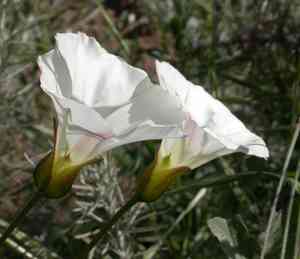
Island false bindweed (Calystegia macrostegia)
Also known as: Woody morning glory, Island morning glory
Known as coast morning glory or island false bindweed, this species thrives in coastal environments. Morning glories are notable for their beautiful blossoms, which typically close during the afternoon's heat.
In This Article
Attributes of Island false bindweed
Lifespan
Perennial
Plant Type
Herb
Plant Height
9 m
Spread
4.5 m to 9 m
Leaf Color
Green
Flower Size
2 cm to 7 cm
Flower Color
White Pink
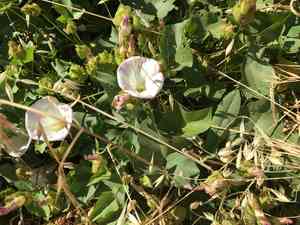
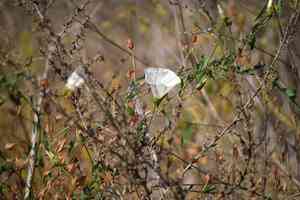
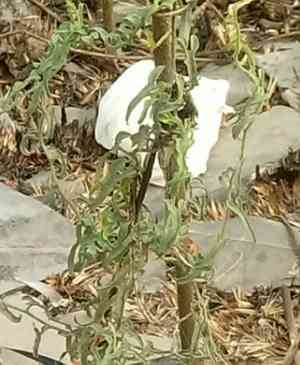
Images of Island false bindweed
Quickly Identify Island false bindweed
1
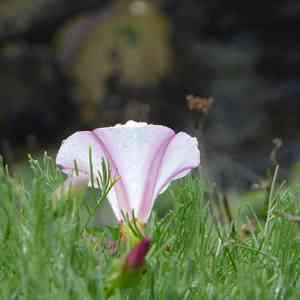
Calystegia macrostegia can be identified by its twining habit, heart-shaped leaves, and large, funnel-shaped flowers that are typically white to pinkish in color. The plant often grows in coastal regions and can be found climbing over other vegetation.
Scientific Classification of Island false bindweed
Phylum
Vascular plants
Class
Dicotyledons
Order
Solanales
Family
Morning-glory
Genus
Bindweeds
Species
Island false bindweed
Planting and Growing of Island false bindweed
Care Difficulty
Easy
Watering Schedule
Every 4 days
Sunlight Requirements
Full sun
Sunshine Duration
4-6 hours
Ideal Temperature
60-75℉
Soil Type
Potting Mix, Peat Mix
Soil pH
6.5-7.5
Fertilizer Type
Balanced
Pruning Season
Spring, Summer
Pruning Area
Branches, Leaves
Pruning Frequency
2 times a year
Repotting Season
Spring
Pot Type
Plastic, Ceramic
 How to Water Island false bindweed?
Water until the soil is evenly moist but not waterlogged. For Calystegia macrostegia, it's crucial to maintain a balance. Aim to keep the top 1-2 inches of soil consistently damp without letting it dry out completely. This prevents stress on the plant while avoiding root rot.
What are the symptoms of an underwatered Island false bindweed?
›
What should I do if my Island false bindweed is not getting enough water?
›
What are the symptoms of an overwatered Island false bindweed?
›
How to save an overwatered Island false bindweed?
›
 What Are the Sunlight Requirements for Island false bindweed?
Calystegia macrostegia prefers full sun or partial sun, thriving in environments where it can enjoy 4-8 hours of sunlight daily. This access to appropriate light conditions promotes healthy growth and vibrant blooms, enhancing its visual appeal and resilience.
More About Sunlight Requirements Techniques→
What is the best light condition for Calystegia macrostegia?
›
How can I ensure my plant gets the ideal lighting conditions?
›
What benefits will the plant experience under ideal lighting?
›
 What Is the Ideal Temperature Range for Island false bindweed?
The ideal temperature range for Calystegia macrostegia is between 60 and 75 degrees Fahrenheit. This range allows the plant to thrive and perform photosynthesis optimally without stress. Higher or lower temperatures outside this range can stunt growth and reduce blooming.
 What Soil is Best for Island false bindweed?
Calystegia macrostegia thrives in well-draining soil, preventing waterlogging and root rot. This ensures that the plant's roots access sufficient oxygen, promoting healthy growth and resilience. The plant benefits from nutrient-rich soils, supporting vigorous growth and vibrant blooms. Incorporating organic matter like compost can enhance soil fertility and overall plant health. While well-draining, the soil should retain moderate moisture levels to sustain the plant’s hydration. This balance aids in reducing drought stress and maintaining lush foliage.
 How to Fertilize Island false bindweed?
For Calystegia macrostegia, a balanced approach is best. Use about half the recommended dose of an all-purpose fertilizer to avoid overwhelming the plant. This helps maintain healthy growth without causing nutrient burn.
 How to Prune Island false bindweed?
Begin by identifying and removing any dead or damaged stems. Next, trim back to the nearest healthy bud or junction to ensure the plant regains a healthy and balanced appearance. Aim to remove about one-third of the growth to prevent stress. Calystegia macrostegia can grow quite vigorously. To keep it under control, focus on cutting back long or errant vines. Shape the plant by trimming branches to maintain a more compact form, which is especially important if space is limited.
More About Pruning Techniques→
 How to Propagate Island false bindweed plant?
1
Begin by soaking the seeds of Calystegia macrostegia in warm water for 24 hours to soften their coat. This can improve germination rates as the water helps to break dormancy.
2
Select a healthy, non-flowering stem and cut a 4-6 inch piece just below a node. Remove lower leaves and dip the cut end in rooting hormone to encourage root development.
3
Carefully dig up the parent plant, taking care not to damage the roots. Using a sharp knife, divide the plant into sections, ensuring that each section has an adequate root system and at least one shoot.
 How to Repot Island false bindweed plant?
1
Calystegia macrostegia signals its need for repotting when it outgrows its container, with roots visibly crowding at the surface or through drainage holes. The ideal time is in spring or summer when the plant is actively growing, ensuring it will recover quickly from the disturbance.
2
Select a pot that is 1-2 inches larger in diameter than the current one. This allows room for root growth without overwhelming the plant with excess soil. The pot should have ample drainage holes to prevent waterlogging, crucial for healthy root development.
3
Choose a well-draining potting mix that retains some moisture but doesn't become waterlogged. A mix enriched with organic matter provides essential nutrients while promoting good drainage, ensuring the roots remain healthy and do not rot.
Learn More About Island false bindweed Diseases
Anthracnose
Bacterial Leaf Spot
Bacterial Wilt
Chemical Injury
Crown Gall
Cyst Nematode
Damping-off
Downy Mildew
Drought Stress
Fusarium Wilt
Gray Mold
Leaf Curl
Leaf Spot
Mosaic
Nutrient Deficiency
Nutrient Toxicity
Powdery Mildew
Root Rot
Root-knot Nematode
Rusts
Sooty Mold
Spider Mites
Temperature Stress
Thrips Damage
White Mold



