How to Transplant Manyflower grasspink?
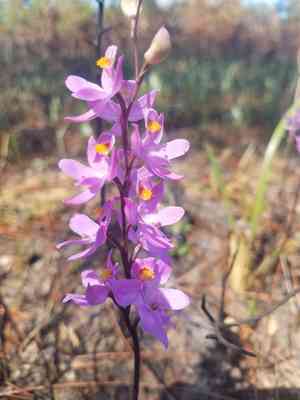
Manyflower grasspink flourishes when relocated during the vigorous growing seasons of early spring or the mild chill of mid to late autumn, as this timing facilitates superior root development. Choose a location that receives ample sunlight and drains effectively to boost its flowering potential. Guarantee steady hydration after the transplanting process.
Essential Preparations Before Relocating Manyflower Grasspink
Optimal Period for Moving Manyflower Grasspink?
Manyflower grasspink, a perennial, thrives when moved in early spring or mid to late autumn. These times reduce stress as the plant is either exiting or entering dormancy. This schedule promotes strong root establishment, benefiting from cooler temperatures and consistent moisture, leading to improved growth and blooming in the subsequent season.
Recommended Spacing Between Manyflower Grasspink Plants?
When relocating manyflower grasspink, ensure each plant is spaced 6-12 inches (15-30 cm) apart. This provides ample room for growth and ensures adequate air circulation to help prevent disease.
Ideal Soil Blend for Manyflower Grasspink Relocation?
Prepare well-draining soil enriched with organic material such as compost. Manyflower grasspink prefers soil with a slightly acidic to neutral pH. Consider adding a balanced base fertilizer rich in phosphorus to encourage root development.
Choosing a New Location for Your Manyflower Grasspink?
Manyflower grasspink thrives in full sun to partial shade. Select a garden spot that receives at least 4-6 hours of sunlight daily. Adequate sunlight ensures vibrant blooms and robust growth.
Tools Required for Manyflower Grasspink Relocation
Gardening Gloves
To safeguard your hands while handling soil and plants.
Hand Trowel
For digging small holes and working around delicate root systems.
Shovel or Spade
For excavating larger holes and trenches.
Pruning Shears
To trim damaged roots or stems.
Watering Can or Hose
For hydrating the plant before and after its move.
Wheelbarrow
To transport the plant, soil, and other materials if needed.
Stakes or Plant Support
To offer stability to the plant post-relocation if necessary.
Method for Extracting Manyflower Grasspink from its Current Location?
Method for Extracting Manyflower Grasspink from its Current Location?
From Ground: First, moisten the soil around the manyflower grasspink plant. Then, dig a wide trench around the plant using a shovel or spade, ensuring the plant's root ball remains intact. Carefully work the spade beneath the root ball to lift the plant from its original spot.From Pot: Gently tap the pot's sides to loosen the soil. Hold the plant's base and invert the pot to slide out the root ball. If stuck, use a hand trowel around the edges to ease it out.From Seedling Tray: Water the seedlings to facilitate removal. Use a hand trowel or your fingers to gently lift the entire seedling, taking care not to harm the roots.
Step-by-Step Guide for Relocating Manyflower Grasspink
Plant Assessment
Examine the manyflower grasspink plant for any indications of stress or disease. Trim off any damaged roots or stems using pruning shears.
Prepare Planting Site
Dig a hole twice the width and the same depth as the manyflower grasspink plant's root ball. Ensure the hole's sides are loose to encourage root penetration.
Amend Soil
If needed, enrich the soil at the bottom of the hole with well-composted organic matter to enhance soil structure.
Position Plant
Place the manyflower grasspink plant in the hole, ensuring the top of the root ball is level with the ground surface or slightly elevated to account for settling.
Backfill and Firm Soil
Backfill the hole with soil, gently firming it around the roots to eliminate air pockets. Be careful not to over-compact the soil.
Water Thoroughly
Water the manyflower grasspink plant thoroughly to help settle the soil and establish contact between the roots and their new environment.
Apply Mulch
Spread a 2-3 inch layer of mulch around the base of the manyflower grasspink plant to retain moisture and suppress weeds, keeping it a few inches away from the stem.
Post-Relocation Care for Manyflower Grasspink
Watering
Maintain consistent moisture in the soil around the manyflower grasspink, avoiding sogginess, for the initial weeks after relocation to aid in strong root establishment.
Monitoring
Regularly check the manyflower grasspink plant for signs of transplant shock, such as wilting or yellowing leaves, and provide extra water or shade if necessary.
Support
If the manyflower grasspink plant is tall or has weak stems, offer support using stakes or plant supports until it establishes itself in its new location.
Pruning
Remove any flowers or buds immediately after relocation to allow the manyflower grasspink plant to prioritize root development.
Addressing Common Issues with Manyflower Grasspink Relocation.
When is the optimal time to move manyflower grasspink?
Relocate manyflower grasspink in early spring, mid-fall, or late fall for best outcomes.
What spacing should I maintain between plants?
Space plants 6-12 inches (15-30 cm) apart for optimal growth and root expansion.
How deep should the planting hole be for manyflower grasspink?
Excavate a hole deep and wide enough to comfortably accommodate the root ball.
What soil type is ideal for relocating manyflower grasspink?
Manyflower grasspink prefers well-drained, slightly acidic soil rich in organic matter.
How much water does manyflower grasspink require immediately after relocation?
Water thoroughly after relocation to settle the soil and remove air pockets.
Should I fertilize manyflower grasspink right after relocating?
Avoid immediate fertilization. Wait until new growth appears, then apply a balanced fertilizer.
How can I prevent transplant shock in manyflower grasspink?
Minimize root disturbance and ensure the plant is well-hydrated before and after relocation.
What are indicators of transplant shock in manyflower grasspink?
Look for wilting, yellowing leaves, or stunted growth as signs of transplant shock.
Does manyflower grasspink need special care after relocation?
Keep soil consistently moist and provide partial shade if relocating in warmer months.
Is it possible to relocate manyflower grasspink during the summer?
Avoid summer relocation due to a high risk of heat stress and drought conditions.



