How to Propagate Manyflower grasspink?
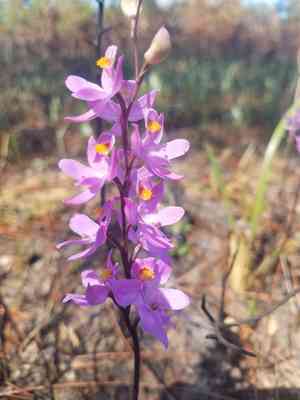
The Manyflower grasspink, a visually impressive orchid native to the southeastern United States, is readily recognized by its vivid, multi-flowered stalks. Reproduction is typically effective via division, preferably carried out when the specimen is dormant to prevent undue strain. Verify that each separated section possesses sufficient roots and pseudobulbs. Place these divisions in an acidic, free-draining substrate. Sustaining proper humidity and diffused illumination assists in their establishment and development.
Optimal Time for Manyflower Grasspink Propagation
Propagation Method
Division
Propagation Period
Spring,Autumn
Tools Required for Manyflower Grasspink Propagation
Garden Fork
A garden fork is crucial for carefully lifting and separating manyflower grasspink clumps. It enables gentle extraction to avoid root damage.
Sharp Knife or Pruning Shears
A sharp knife or pruning shears are essential for making clean cuts during division. This minimizes stress and lowers disease risk.
Rooting Hormone
Rooting hormone stimulates root development on newly separated sections, enhancing their chances of successful establishment.
Potting Mix
A high-quality, well-draining potting mix ensures the divided parts of manyflower grasspink have an ideal environment to flourish during transplanting.
Plant Labels
Plant labels help track each division. This is especially important for monitoring growth and health after separation.
Watering Can with a Fine Rose
A watering can with a fine rose provides gentle irrigation, preventing dislodgement or harm to newly divided sections.
Shading Cloth
Shading cloth protects newly divided plants from excessive sun, reducing transplant shock and helping maintain moisture levels.
How to Propagate Manyflower Grasspink?
Propagation Type
Easy
Post-Propagation Care for Manyflower Grasspink
Post-Propagation Care for Manyflower Grasspink
After propagation, manyflower grasspink needs indirect light, consistent humidity, and well-draining soil to thrive. Maintain a regular watering schedule, ensuring the soil stays moist but not waterlogged. It's crucial to watch for signs of stress, like wilting or discoloration, and adjust watering as needed. Fertilizing with a balanced, water-soluble orchid fertilizer, diluted to half strength every 2-4 weeks during the growing season, will encourage healthy growth. As manyflower grasspink establishes, gradually introduce it to brighter light conditions, while shielding it from direct sunlight to prevent leaf burn.
Common Errors to Avoid When Propagating Manyflower Grasspink
Improper soil choice
Using soil that holds too much moisture can lead to root rot and fungal issues in manyflower grasspink.
Overwatering
Excessive watering can suffocate roots and encourage harmful fungal growth, which is detrimental to manyflower grasspink's development.
Insufficient light
Not providing enough light can result in weak and leggy growth, compromising the health and vitality of manyflower grasspink.
Poor air circulation
Lack of air movement can create a humid environment conducive to mold and mildew, negatively impacting manyflower grasspink.
Improper division
Incorrectly dividing the plant can damage the roots and reduce the chances of successful propagation.
Advice for Propagating Manyflower Grasspink
Select well-draining soil
Use a soil mix that drains effectively to prevent waterlogging and root diseases, ensuring manyflower grasspink stays healthy.
Moderate watering
Water manyflower grasspink only when the top layer of soil is dry. Consistent but moderate watering helps prevent root rot.
Provide adequate light
Place manyflower grasspink in a bright, indirect light location to promote healthy growth and flowering.
Ensure good air circulation
Maintain good air circulation around manyflower grasspink to prevent mold and mildew; consider using a fan if necessary.
Careful division
When dividing manyflower grasspink, use a sharp, sterile knife and ensure each division has sufficient roots and growth points to encourage successful establishment.



