How to Transplant Common ground fern?
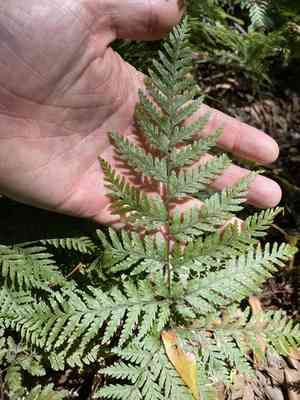
The common ground fern flourishes when transplanted in the cooler periods of early spring or mid-to-late fall, facilitating robust root development. It favors a spot with partial shade and soil that is damp yet drains effectively. Exercise caution during handling to prevent harm to its root system.
Necessary Preparations Before Relocating Common Ground Fern?
Optimal Timing for Relocating Common Ground Fern?
The best periods for moving common ground fern are in early spring and from mid to late autumn. These seasons offer mild temperatures and sufficient soil moisture, aiding root establishment and minimizing transplant stress. Relocating during these times ensures the plant can adapt and flourish, boosting its overall development and hardiness.
Required Spacing Between Common Ground Fern Plants?
When relocating common ground fern, position each plant 18-24 inches (45-60 cm) apart. This spacing provides ample room for growth without competition, leading to healthier specimens.
Ideal Soil Blend for Common Ground Fern Relocation?
Prepare well-draining soil for common ground fern by incorporating compost or organic material. A light foundational fertilizer, such as a balanced 10-10-10, can be added to encourage robust growth.
Recommended New Spot for Your Common Ground Fern?
Select a site for common ground fern that receives partial to full shade. This plant prefers filtered sunlight and can thrive beneath larger shrubs or trees.
Equipment to Prepare Before Relocating Common Ground Fern?
Gardening Gloves
To safeguard your hands while handling soil and the plant.
Shovel or Spade
For excavating the plant and preparing the new planting hole.
Trowel
Useful for more precise digging tasks and working near plant roots.
Wheelbarrow
To move the plant from its original spot to the new location.
Watering Can or Hose
To hydrate the plant before and after its relocation.
How to Extract Common Ground Fern from the Soil?
How to Extract Common Ground Fern from the Soil?
From Ground: First, hydrate the common ground fern plant to moisten the soil. Next, dig a wide trench around the plant using a shovel or spade, ensuring the plant's root ball remains intact. Carefully work the spade beneath the root ball to lift the plant from its initial position.From Pot: Water the common ground fern plant thoroughly to ensure root hydration. Gently tilt the pot on its side and tap the base to loosen the plant. Carefully slide the plant out, supporting the root ball with your hand.From Seedling Tray: Water the seedlings thoroughly before moving them. Use a trowel or similar tool to gently lift each seedling from the tray, making sure to keep the roots undamaged.
Step-by-Step Guide for Relocating Common Ground Fern
Prepare the New Site
Ensure the new planting hole is twice as wide and equally deep as the common ground fern's root ball.
Improve the Soil
If needed, enrich the soil with compost to ensure good drainage and nutrient content.
Position the Plant
Carefully place the common ground fern in the hole, making sure the top of the root ball is level with the ground surface.
Backfill the Hole
Refill the hole with soil, pressing gently to remove air pockets. Be careful not to over-compact the soil.
Water Thoroughly
Provide the newly relocated common ground fern with a deep watering to help settle the soil and support root establishment.
Mulch
Apply a layer of organic mulch around the plant (but not touching the stem) to help retain moisture and regulate soil temperature.
Post-Relocation Care for Common Ground Fern?
Watering
Keep the soil around the common ground fern consistently moist, but not waterlogged, for the initial weeks after relocation to aid in strong root development.
Monitoring
Regularly inspect the plant for indications of stress such as wilting or yellowing leaves and address them promptly.
Weeding
Keep the area surrounding the common ground fern clear of weeds that can compete for nutrients and water.
Mulching
Replenish mulch as necessary to maintain a consistent layer around the plant.
Troubleshooting Common Issues with Common Ground Fern Relocation.
When is the best season to relocate common ground fern?
Early spring, mid-autumn, and late autumn are ideal times to relocate common ground fern.
How far apart should common ground fern be spaced?
Plant common ground fern 18-24 inches (45-60 cm) apart for optimal growth.
How to prepare soil for relocating common ground fern?
Ensure well-drained soil enriched with organic matter before planting common ground fern.
Should I water common ground fern after relocating?
Yes, water thoroughly to establish roots after relocating common ground fern.
What to do if common ground fern shows signs of relocation shock?
Keep soil moist and ensure it's not waterlogged. Provide shade if necessary.
How to avoid root damage when relocating common ground fern?
Gently loosen the root ball and handle with care to prevent root damage.
What is the ideal soil temperature for relocating common ground fern?
Soil temperature should be moderately cool to promote root growth, around 50-60°F (10-15°C).
Is mulching necessary for newly relocated common ground fern?
Yes, mulch around common ground fern to retain moisture and control weeds.
Should I fertilize common ground fern immediately after relocating?
Wait a few weeks before fertilizing to avoid stressing common ground fern after relocating.
What to do if common ground fern doesn't thrive after relocating?
Reevaluate soil conditions, spacing, and watering frequency; adjust as needed.



